Dollar General leaders should know OSHA injury recordkeeping and reporting rules
OSHA logs are more than paperwork at Dollar General. They can expose repeat rolltainer strains, slips, falling freight and blocked exits before management brushes them off.
What belongs on the OSHA log at Dollar General
For Dollar General store leaders and district managers, OSHA injury recordkeeping is not paperwork to bury after a busy shift. It is the record that shows whether a strain in the stockroom, a slip on a rushed aisle reset, or a piece of falling freight is an isolated mishap or part of a pattern that keeps injuring workers.

OSHA says many employers with more than 10 employees must keep Forms 300, 300A and 301, or equivalent forms, for recordable injuries and illnesses. The agency’s rules presume work-relatedness when an event or exposure in the work environment caused or contributed to the condition, unless an exception applies. In plain terms, if a rolltainer strain, lifting injury, cut, fall, heat exposure, or warehouse injury happened because of the job, it should not be dismissed as “just soreness” or “part of retail.”
That matters in Dollar General because the company’s safety problems have not been abstract. Federal enforcement has repeatedly found blocked exits, fire hazards, blocked electrical panels, unsafe stacking, storage problems, housekeeping failures and forklift issues across the chain. When injury records are incomplete or cleaned up after the fact, those patterns become easier to minimize and harder to correct.
Why accurate records protect workers
A clean OSHA log can do more than satisfy compliance. It can show whether injuries cluster around stocking shifts, late-night recovery work, or understaffed stores where one associate is moving freight, running the register and trying to keep aisles clear at the same time. If rolltainer injuries keep happening, or if falling boxes and unstable stacks keep showing up in different stores, the log is one of the few tools that can force the issue into view.
That visibility matters because Dollar General has already been under unusually heavy federal scrutiny. In December 2021, the Labor Department said OSHA had proposed more than $3.3 million in penalties in 54 inspections at Dollar General locations since 2016. By April 2023, the department said the company had faced $15 million in penalties since 2017 and more than 180 investigations nationwide. A year later, OSHA said nine inspections in Maine, North Dakota, Ohio and Wisconsin added $3.4 million in proposed penalties, bringing total proposed fines since 2017 to more than $21 million after 240 inspections.
Those numbers are not just headlines. They show why a store-level manager should treat every report seriously. If a worker is hurt unloading freight, lifting a rolltainer, slipping on a spill, or dealing with heat in a stockroom, the injury record is part of whether the company can see the hazard before OSHA does.
What must be recorded
Not every scrape becomes an OSHA record, but a lot more incidents count than workers are told. OSHA’s guidance says recordable injuries and illnesses include cases that are work-related and meet OSHA’s criteria, including events or exposures in the work environment that caused or contributed to the condition. That can include slips, strains, cuts, lifting injuries and certain exposure incidents even when the worker thinks the injury is minor.
For Dollar General workers, the practical takeaway is simple: if the job caused it, report it. A sore shoulder from wrestling a heavy rolltainer, a back strain from overstock, a cut from broken merchandise, a slip in a wet aisle, or a heat-related illness from a hot stockroom can all belong in the recordkeeping process depending on the circumstances and severity.
The company cannot accurately claim a store is safe if injuries never make it onto the log. Missing entries hide recurring problems, and recurring problems are what lead to worse injuries later.
When the company must report to OSHA
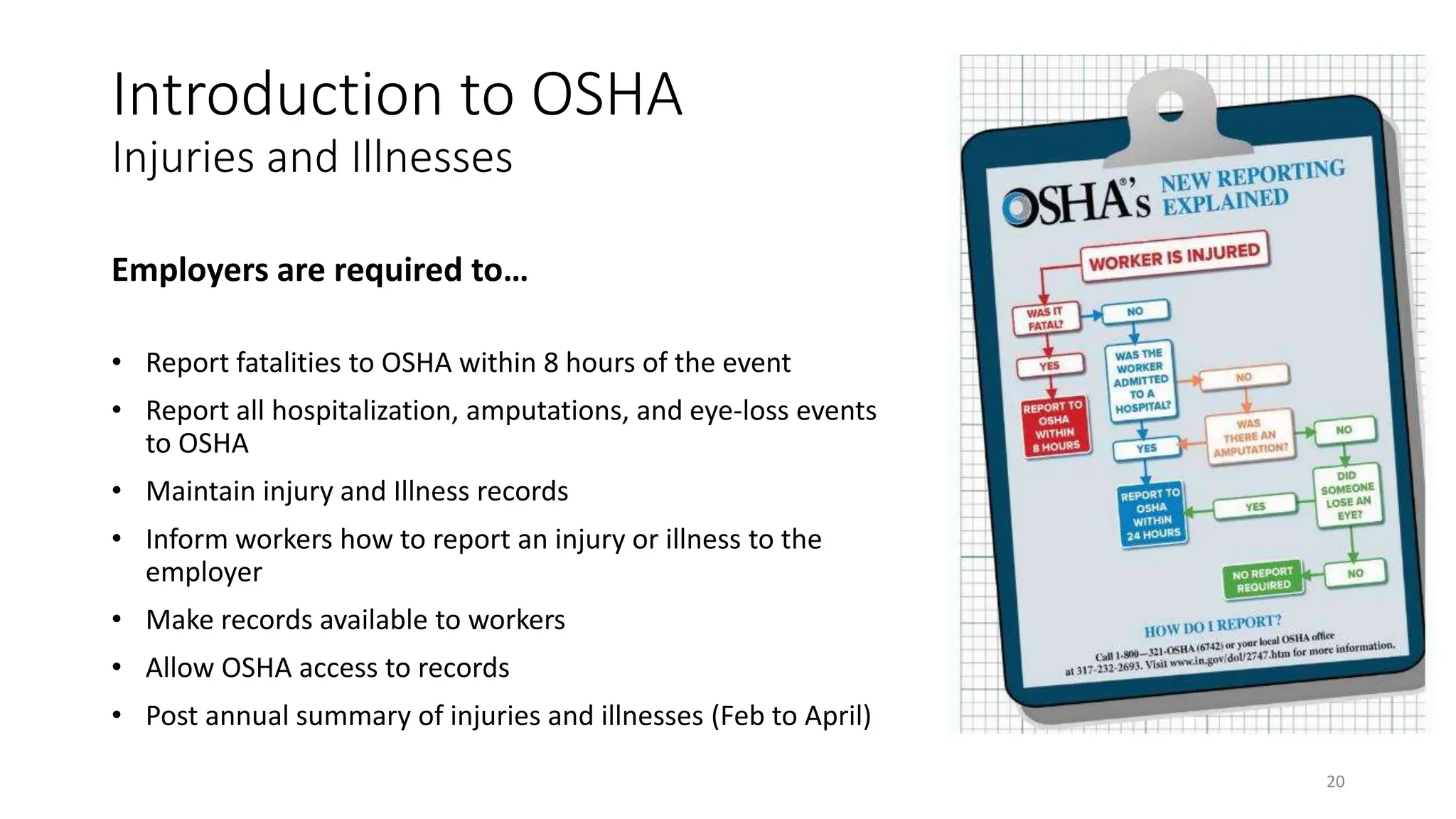
Recordkeeping is not the only deadline. OSHA says employers must notify the agency within 8 hours after a work-related death. Employers must notify OSHA within 24 hours when an employee suffers an in-patient hospitalization, an amputation or the loss of an eye.
That reporting rule is especially important for severe incidents tied to freight handling, equipment, falls or warehouse work. A serious accident in the back room or distribution side of the business is not something management can sit on while paperwork gets sorted out. The clock starts fast, and the company is expected to respond fast.
Certain employers must also submit injury and illness data electronically through OSHA’s Injury Tracking Application each year from January 2 through March 2. That annual filing can turn store and corporate-level injury problems into a public compliance issue, which is another reason incomplete logs are so dangerous for workers.
What workers and representatives can ask for
OSHA’s employee-involvement rules give workers real leverage if they suspect an injury is being left off the books. Employees, former employees, personal representatives and authorized employee representatives can request copies of OSHA injury and illness records. The OSHA 300 Log must be provided by the end of the next business day. Authorized employee representatives can also request the OSHA 301 Incident Report information described in the rule.
That means a store associate who was hurt stocking, a former employee who is tracking a claim, or a union or other authorized representative trying to spot a pattern does not have to accept vague assurances. If the log exists, it can be requested. If the injury is real and work-related, it should be reflected in the record.
- report the incident the same day if possible
- describe the task, equipment and location clearly
- note witnesses and whether freight, a rolltainer, a ladder, a wet floor, heat or a storage problem played a role
- ask whether the injury is being entered on the OSHA log and how it will be classified
- keep your own copy of what happened
For workers, the smart move is to be specific from the start:
Why the 2024 settlement changed the stakes
On July 11, 2024, OSHA announced a corporate-wide Dollar General settlement with $12 million in penalties and a slate of safety reforms. The agreement required the company to hire additional safety managers, reduce inventory, improve stocking efficiency, train leaders and non-managerial employees, create a safety and health committee, and maintain an anonymous hotline. It also required Dollar General to correct future blocked-exit, fire-extinguisher, electrical-panel and improper-storage hazards generally within 48 hours.
The settlement also allowed monetary assessments of $100,000 per day of violation, up to $500,000, for noncompliance. OSHA said the goal was to make worker safety a priority and give employees more input into their own safety and health. A separate 2024 settlement document showed the agreement applied corporate-wide to Dollar General retail stores in the United States, excluding pOpshelf, and required the company to provide OSHA an annual list of covered stores and corporate entities, including new or acquired locations.
That broad reach is the point. OSHA is not treating this as a one-store problem. It is treating it as a companywide accountability problem.
The bottom line for Dollar General leaders
If an injury never makes the log, management can pretend the store is fine. If every strain, slip, falling-freight incident and serious exposure is recorded correctly, the pattern becomes harder to hide and harder to defend. Accurate OSHA recordkeeping gives workers a paper trail, gives regulators a way to spot repeat hazards, and gives Dollar General a test it has failed too many times already: prove the store is getting safer, not just quieter.
This article was produced by Prism’s automated news system from verified source data, official records, and press releases, then run through automated quality and moderation checks before publishing. The system is built and supervised by the people who set the standards it runs under. Read our full AI policy.
Know something we missed? Have a correction or additional information?
Submit a Tip