Dollar General penny list highlights markdown pressure on store associates
Dollar General’s penny list is less a bargain trick than a stress test for stores, where markdowns, price checks, and clearance disputes can quickly spill onto the sales floor.
What the penny list really tells store workers
Dollar General’s penny list is not about employees hunting hidden deals. It is a weekly snapshot of discontinued or deeply discounted items that can ring up for one cent, and it shows how quickly clearance rules, customer expectations, and store execution can collide on the floor. The practical lesson for associates is simple: penny-list chatter creates work even when the items themselves are not part of the day’s official promotion.
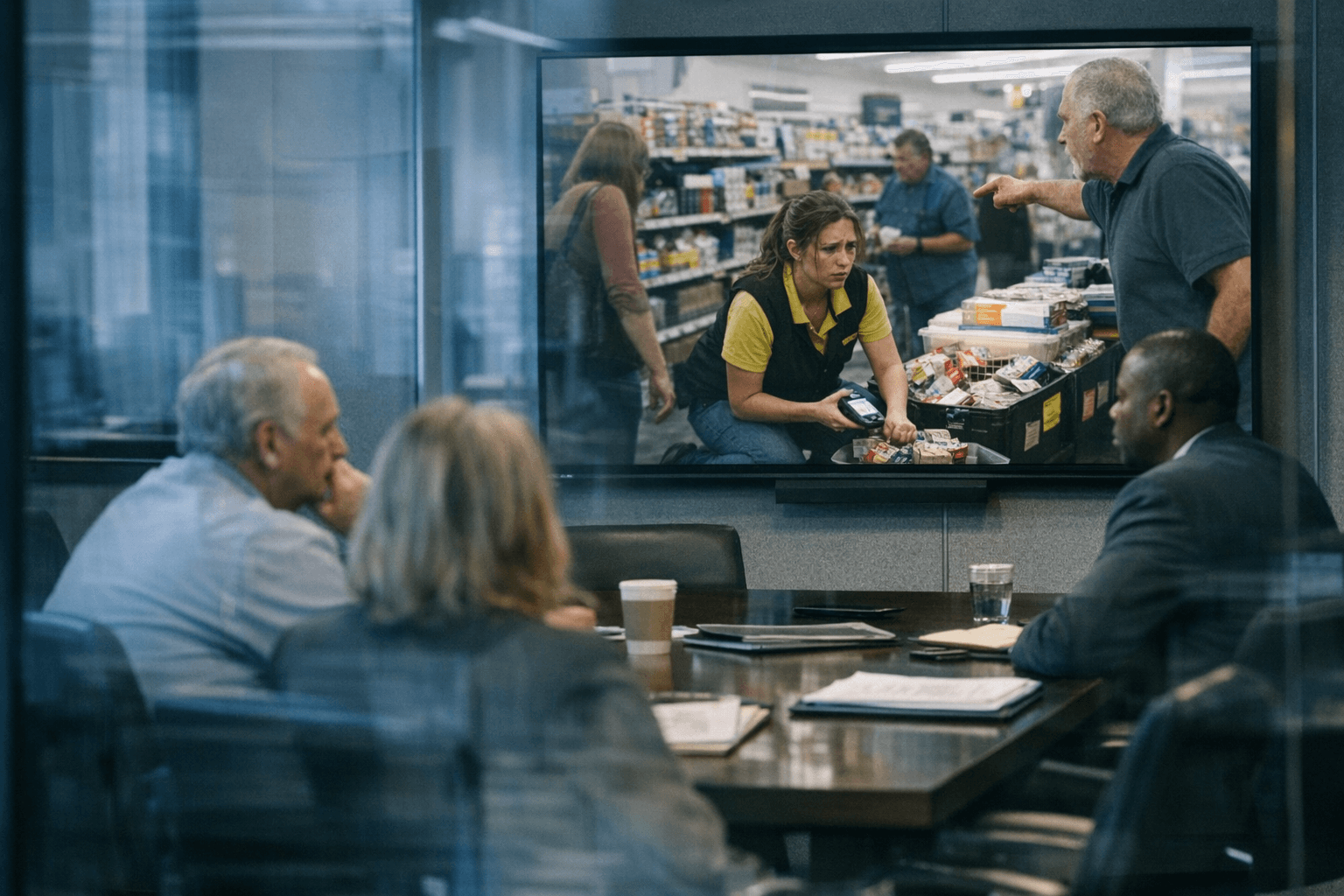
That matters because penny shopping is self-guided, and employees are not supposed to help customers locate penny merchandise. When shoppers arrive convinced they have found a markdown treasure, associates are often the ones left handling the price-check questions, explaining store policy, and fielding complaints when the shelf tag does not match what a coupon forum promised.
Why penny-list weeks become labor issues
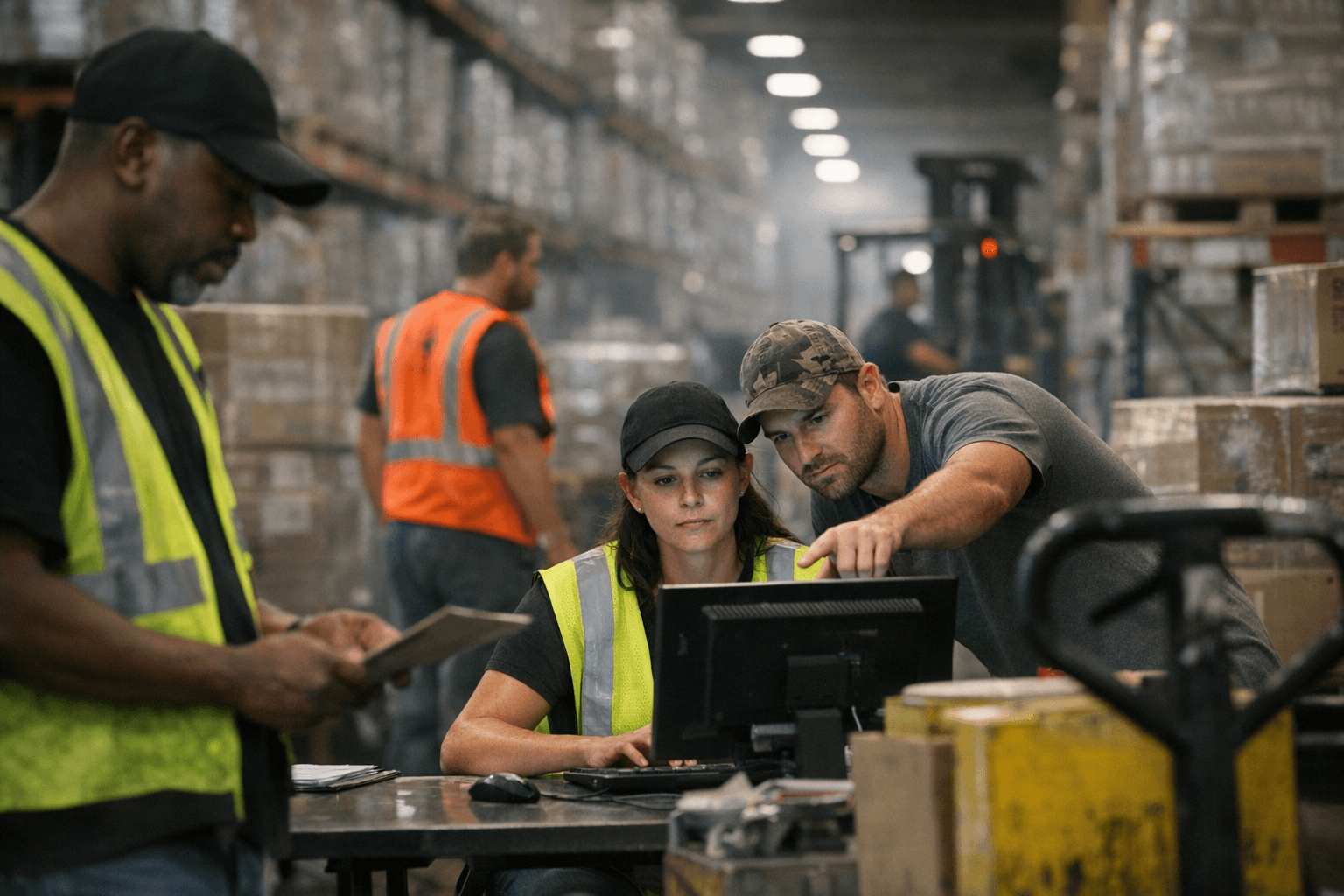
For store teams already working lean, penny-list weeks can mean more than a few extra customer questions. They can bring repeated register disputes, confusion over whether an item should have dropped, and pressure to keep clearance areas neat enough that shoppers do not turn the aisle into a scavenger hunt. If a store is behind on markdown cycles, that confusion tends to land on the cashier, the backroom, and the manager on duty.
This is where the penny list becomes a labor story, not just a consumer one. Associates may have to explain that stock levels, scan accuracy, and markdown timing all matter, and that an item sitting on a shelf does not automatically mean it is a penny item. In stores already stretched thin, every one of those conversations takes time away from stocking, recovery, and basic customer service.
The operational reality behind the one-cent item
The point of the penny list is not that Dollar General wants workers to chase penny goods. It is that fast-moving markdowns are part of the chain’s inventory discipline. Clearance, damages, and repricing are not side issues in a discount format, they are core store-level tasks that shape how well a location runs.
If clearance is not organized, the effects show up quickly. Shelf tags can spark arguments. Customers can misread an old markdown as a current one. Store teams can get stuck rechecking prices instead of moving freight, and the floor can start to look messy in the exact places shoppers are most likely to inspect. Penny-list culture exposes how much of discount retail depends on the quiet, repetitive work of keeping markdowns accurate.
What Dollar General’s scale says about the pressure on stores
Dollar General is not a small operator with a handful of problem locations. The company said it had 20,594 stores as of January 31, 2025, spanning Dollar General, DG Market, DGX, pOpshelf, and Mi Súper Dollar General banners across the United States and Mexico. It was founded in 1939, and in fiscal 2024 it reported net sales of $40.6 billion.
That size helps explain why tiny pricing changes can have outsized effects on the floor. When a chain that large leans on frequent markdowns, every store has to execute the same basic playbook: clear old product, manage customer expectations, and keep inventory moving. A penny-list week is a reminder that even one-cent items are part of a much larger system.
Why markdowns matter to the balance sheet too
The company’s own fiscal 2024 results show why markdown discipline is not just a store issue. Dollar General said its gross profit rate fell primarily because of increases in markdowns, inventory damages, and distribution costs. Even with net sales up 5.0 percent for the year and same-store sales up 1.4 percent, the pressure from markdowns remained material enough to affect profitability.

The fourth quarter told a similar story. Same-store sales rose 1.2 percent, but customer traffic fell 1.1 percent. That combination matters on the sales floor because it shows how tightly pricing and traffic are linked. When shoppers are looking for bargains, associates get more questions, more movement in clearance zones, and more friction at checkout, even if the store is not adding much new traffic overall.
Safety, inventory, and the cleanup that comes with clearance
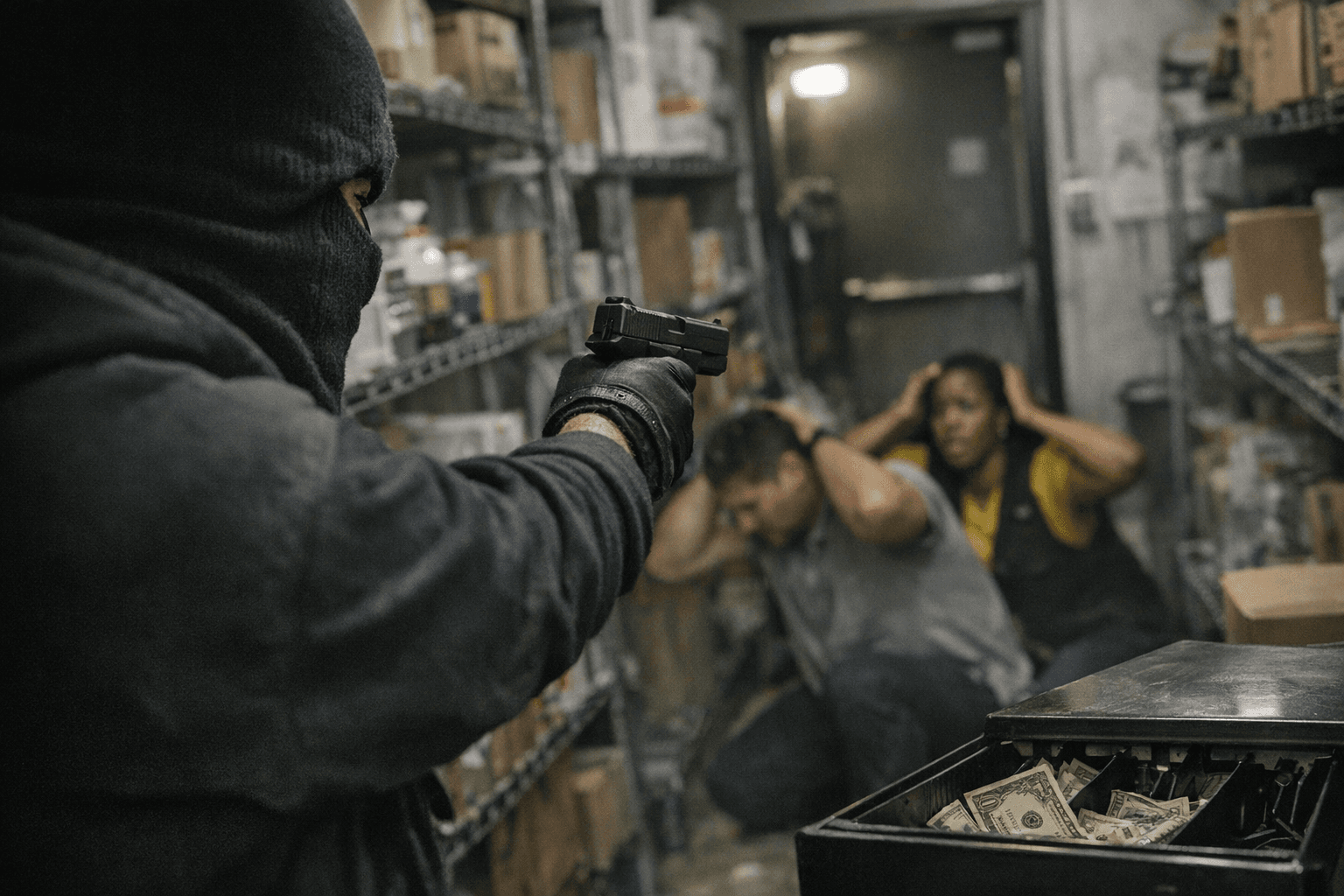
There is also a direct safety connection. In July 2024, the U.S. Department of Labor announced a corporate-wide settlement with Dollar General that required the company to pay $12 million in penalties and make store-safety changes nationwide. Those changes included hiring additional safety managers, reducing inventory, increasing stocking efficiency, and correcting hazards such as blocked exits and unsafe storage, generally within 48 hours.
That settlement makes the clearance conversation more serious. When stores carry too much inventory or fail to keep product organized, the problem is not just clutter. It can become a safety issue. For associates, that means the work of pulling clearance, clearing endcaps, and keeping stock areas under control is tied to both daily execution and hazard reduction. The cleaner the markdown process, the less likely it is to create blocked paths, backroom pileups, and unsafe overstock conditions.
Douglas L. Parker, who led the Occupational Safety and Health Administration at the time of the settlement, framed the changes as a company-wide obligation, not a suggestion. For store teams, the message was clear: inventory control is now part of safety compliance, not just sales execution.
The broader corporate pressure behind store-level friction
Dollar General also said in March 2025 that it had completed a store portfolio optimization review in late 2024 and identified stores for closure or re-bannering based on store performance, expected future performance, and operating conditions. That review resulted in $232 million in charges, primarily tied to store closures and pOpshelf impairment charges.
Taken together, the closure review, the safety settlement, and the markdown pressure point to the same underlying issue: the company is still trying to balance growth with execution discipline. Todd Vasos and the company’s leadership have kept expansion going, but the disclosures show that pricing errors, shrink, damages, and markdowns are not minor annoyances. They are the kind of operational drag that can force bigger decisions about what stores stay open, how they are run, and how much labor it takes to keep them compliant.
The fiscal 2023 results made that pattern even clearer. Dollar General said the gross profit rate decline that year was driven by increased shrink and inventory markdowns, lower inventory markups, a greater share of lower-margin consumables sales, and increased damages. In other words, markdown pressure was not a one-year problem. It was part of a longer operating pattern that kept showing up in the numbers.
What associates should take from penny-list weeks
For store associates, the penny list is best understood as a signal of how much work lives inside the markdown cycle. It can mean more customer questions, more register disputes, more shelf-checking, and more pressure to keep clearance areas orderly in stores that may already be short on labor. It also shows how a single pricing change can touch safety, inventory, and customer flow at the same time.
That is why the penny list matters beyond bargain chatter. It reveals the daily reality of discount retail at Dollar General: the work of keeping prices current, inventory under control, and shoppers moving can be just as demanding as the sale itself.
Know something we missed? Have a correction or additional information?
Submit a Tip