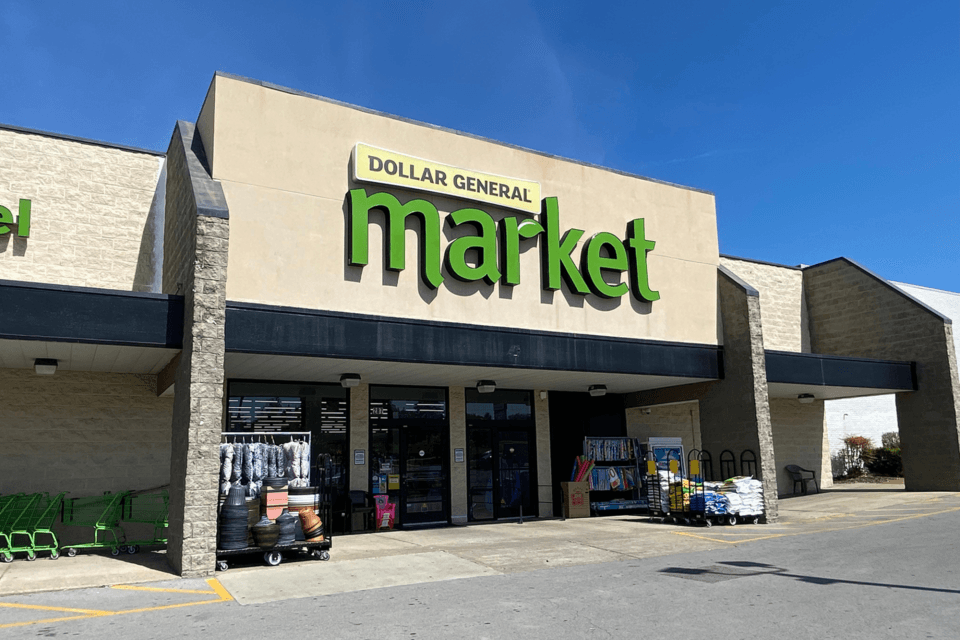
Dollar General Plans 450 New Stores, Fresh Formats for 2026
Dollar General plans 450 new U.S. stores and 4,250 remodels in 2026, changes that will touch nearly every associate's daily routine from planograms to pickup fulfillment.
%3Aformat(webp)%2Fimages%2F2024%2F10%2F17%2Fdollar-general-retail-location-adobe.jpg&w=1920&q=75)
Dollar General is moving into 2026 with its most aggressive real estate calendar in recent memory: 450 new U.S. stores, 10 locations in Mexico, 4,250 remodeling and renovation projects, and 20 store relocations. The scope means that even associates at stores that aren't being built or rebuilt are likely to feel the ripple effects of a company stretched across multiple simultaneous construction and retrofit programs.
CEO Todd Vasos framed the push around geography first. "Approximately 80% of our stores are in rural communities of 20,000 or fewer people, and we see substantial opportunities to continue growing our store count and serving new customers for many years to come," Vasos said. The new stores will use an 8,500-square-foot format, which will be used for the majority of new builds. That larger footprint, compared to the company's older, tighter layouts, will require different stocking routines and planogram logic from day one.
Dollar General's new store format is designed to encourage browsing and "treasure hunting" by customers, and the layout was tested in a portion of the retailer's 2025 remodel projects. The company has not publicly detailed exactly which markets hosted the pilot locations, but the test results were strong enough to drive the scale-up. For associates, a format built around browsing means product adjacency decisions that may feel counterintuitive at first: categories arranged to pull customers deeper into the store rather than routing them through the fastest checkout path. Restocking cadence, signage, and fixture arrangement all shift when the underlying goal is dwell time rather than speed.
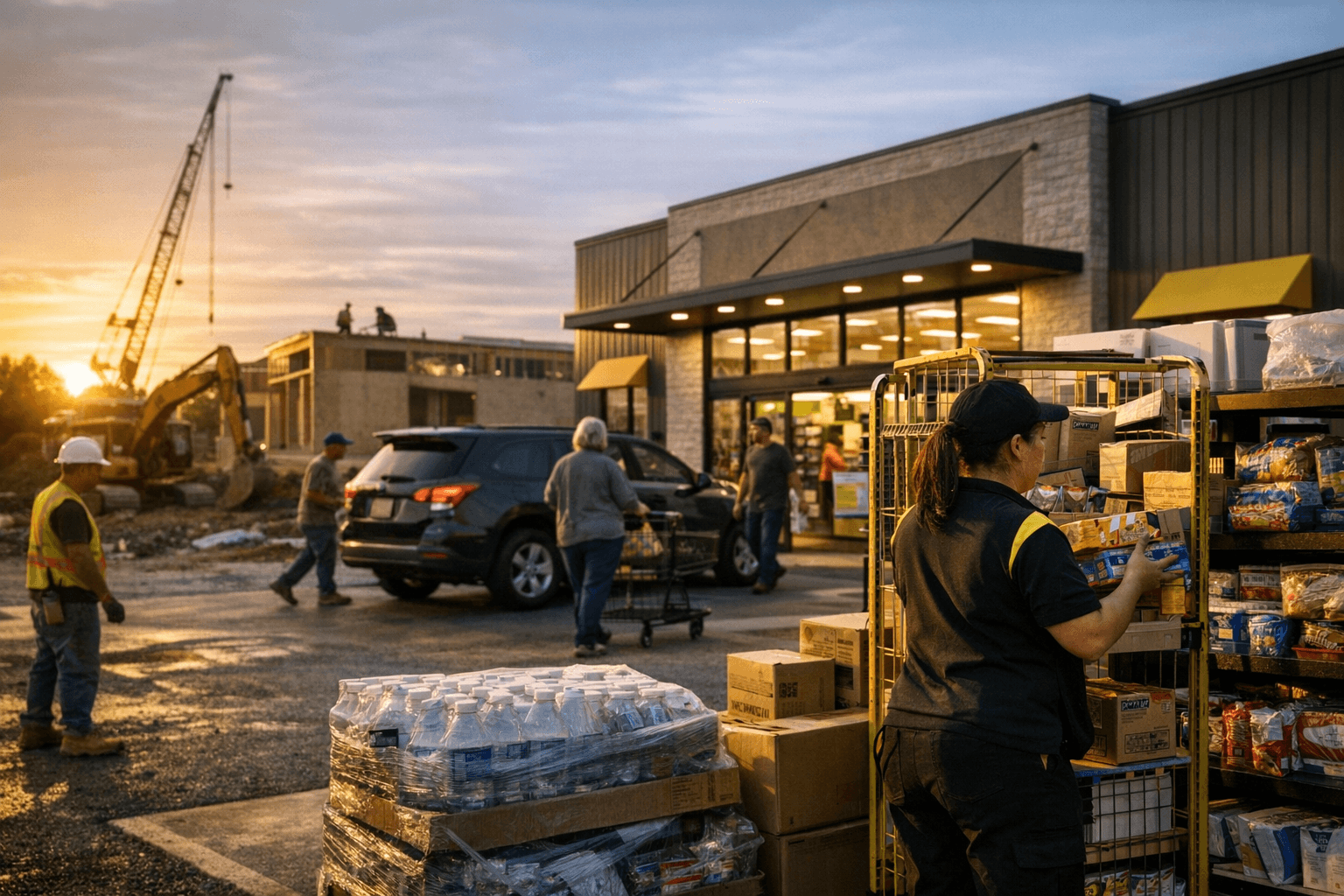
Additionally, Dollar General plans to pilot a subscription program as part of its broader loyalty efforts. Neither the pricing structure nor the specific benefits have been disclosed, but any subscription model tied to delivery or pickup will add order staging and fulfillment tasks to front-line workloads. At a chain where single-associate coverage is common, especially in rural locations, those added steps land directly on whoever is running the floor.
On the merchandising side, Vasos said Dollar General expects to launch at least 15 new brands in nonconsumable categories in 2026, following brand expansions in 2025 with Dolly Parton and Kathy Ireland. The company's stated goal is to increase nonconsumable sales penetration to as high as 20% by 2029. More nonconsumables typically mean more fragile or display-dependent product, different shelving specs, and updated loss-prevention considerations, none of which arrive with extra labor hours automatically attached.
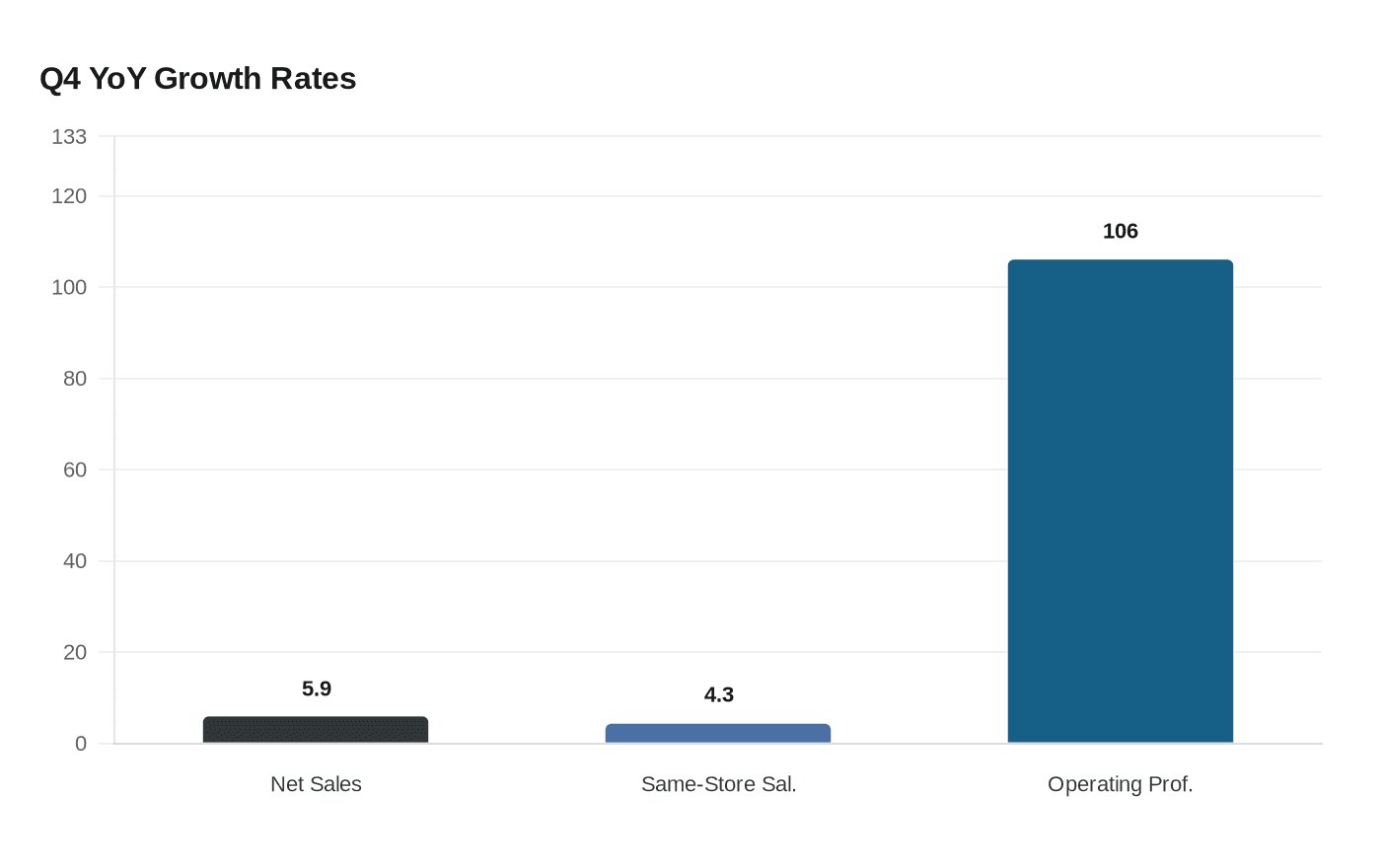
The financial picture driving all of this is solid. Dollar General's fourth quarter net sales grew 5.9% year over year to $10.9 billion, same-store sales jumped 4.3%, and operating profit surged roughly 106% to $606.3 million. For the full fiscal year 2025, net sales grew 5.2% to $42.7 billion. The retailer had announced the 450-store growth plan in December 2025, and in fiscal year 2025 it opened 581 new U.S. stores.
For district managers and staffing coordinators, the pace of openings demands a recruiting pipeline that can staff 450 locations before those stores hit their grand opening dates, not after. Associates looking to move up will find more assistant manager and store manager slots opening across the year, but stores that lose experienced workers to new locations will carry the training burden for the replacements. That tension, between expansion opportunity and floor-level stability, is where the gap between Dollar General's growth ambitions and its workforce reality tends to show up most clearly.
This article was produced by Prism’s automated news system from verified source data, official records, and press releases, then run through automated quality and moderation checks before publishing. The system is built and supervised by the people who set the standards it runs under. Read our full AI policy.
Know something we missed? Have a correction or additional information?
Submit a Tip