Dollar General private brands drive sales growth and store operations
Dollar General's private-label push is a sales strategy, but it lands as extra work on the floor: more resets, more stock pressure, and more shopper questions.
In fiscal 2024, Dollar General posted net sales of $40.6 billion and operated 20,594 stores across the United States and Mexico as of January 31, 2025. The company ties private-brand sales to its plans for sales growth and gross-profit-rate improvement, which means the work behind DG Brands reaches into planograms, replenishment, and the way associates explain value to shoppers looking for a cheaper substitute.
What Dollar General is building
Its store network includes Dollar General, DG Market, DGX and pOpshelf locations in the U.S. and Mi Súper Dollar General stores in Mexico, so the private-label strategy has to work across formats, not just in one aisle or one concept.
The company’s DG Brands assortment stretches across pantry essentials, household necessities, health and beauty products, and apparel.
How the strategy changes the associate’s day
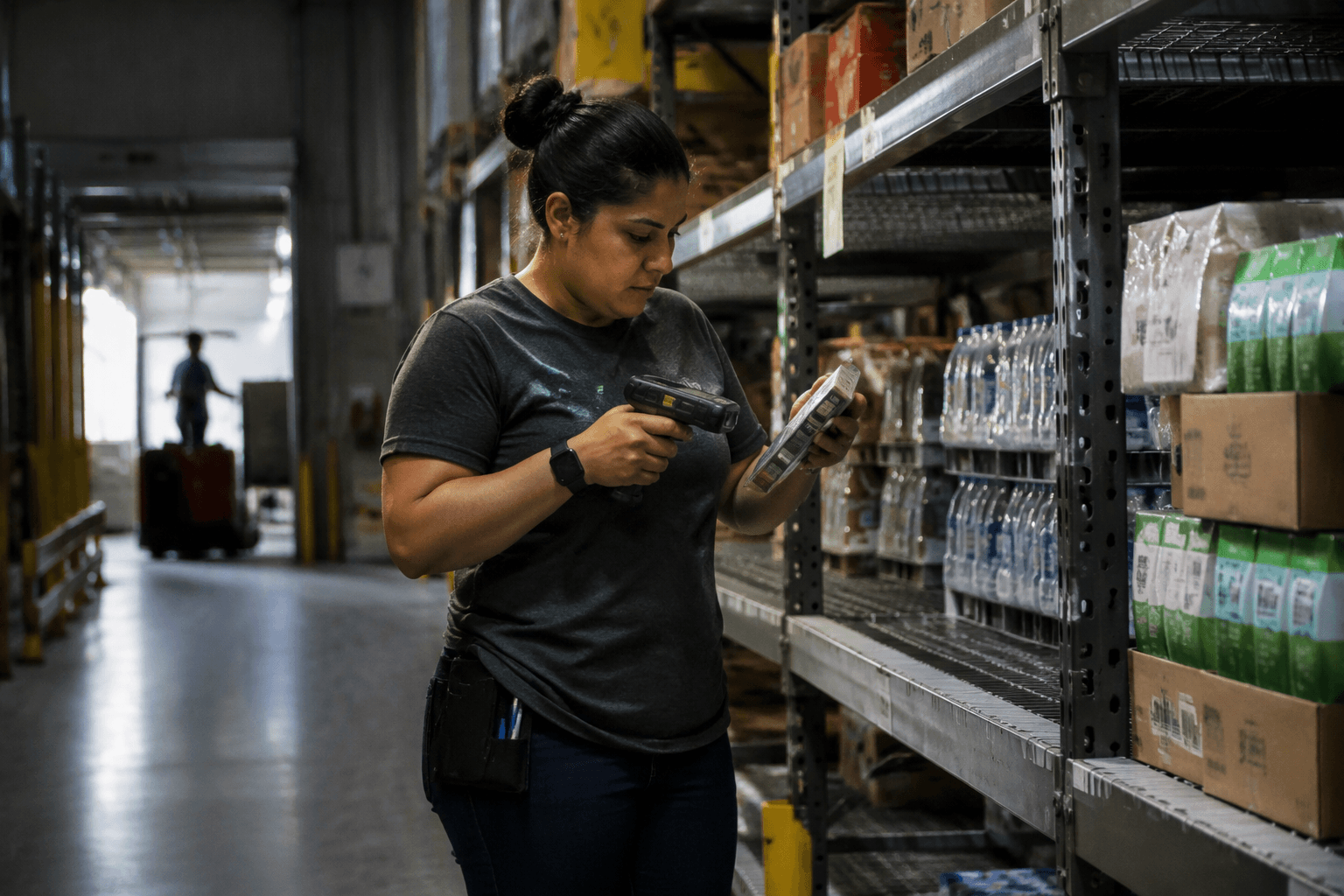
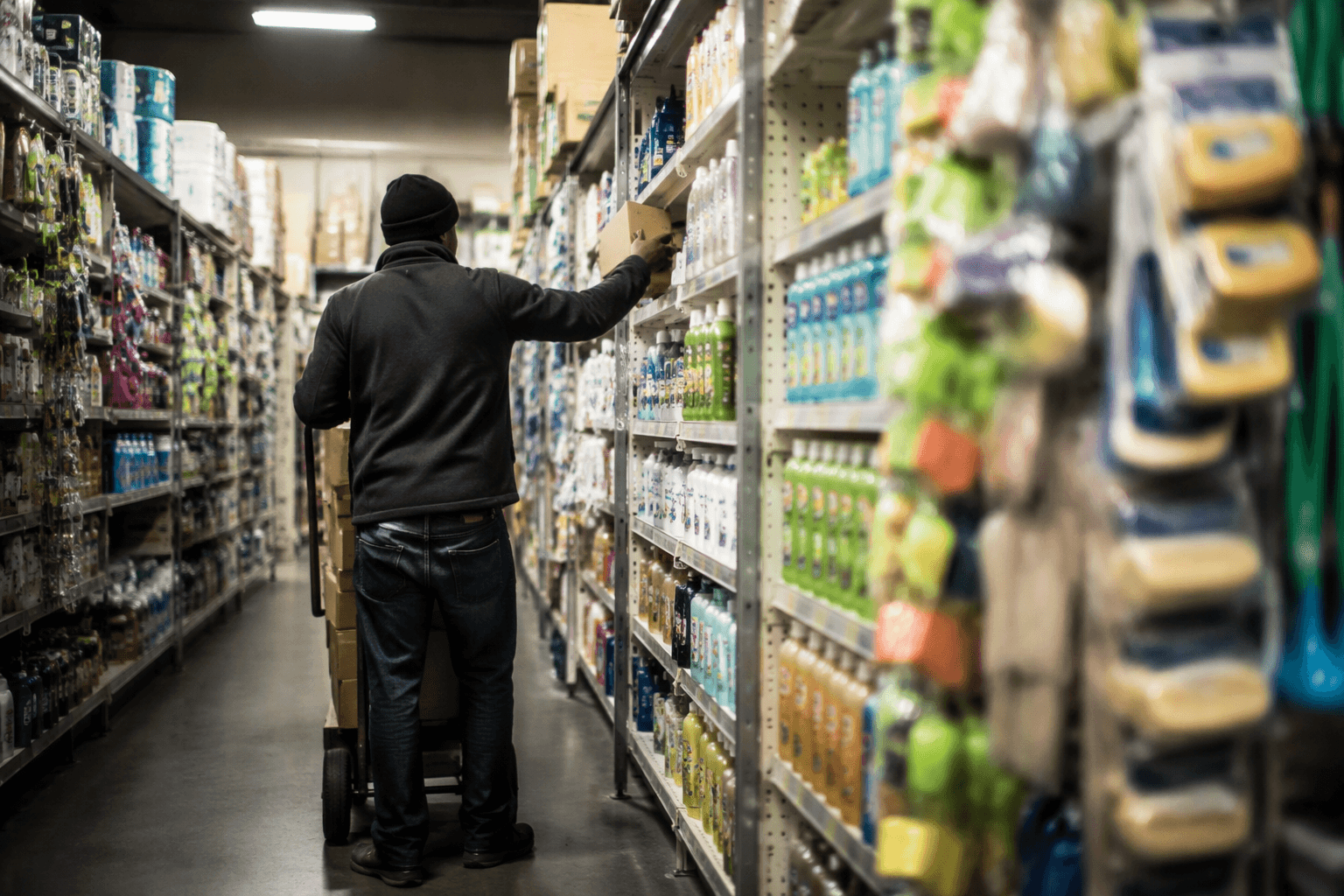
For associates, a bigger private-label push usually means more than just stocking a different box. Every added DG item can trigger a shelf reset, a new tag, or a changed facing, and it raises the bar on knowing where the store’s own brands sit beside national brands. That matters because the shopper is often not asking for a brand name, but for the fastest low-cost answer to a household need.
The work also gets more conversational. If a customer comes in expecting a national brand that is missing or too expensive, the associate has to know which Clover Valley or other DG product can solve the problem without sending the customer back to the car or to a competitor.
There is also more pressure to keep the private-label item in stock when it is the value choice shoppers came for. If a Clover Valley pasta sauce or snack is missing, the loss is not just one empty spot on a shelf. The customer may leave without buying anything because the store no longer has the lower-priced substitute that made the trip worthwhile.
Why grocery is the biggest pressure point
Dollar General has made repeated moves to deepen private label in food, and that is where store execution gets most visible. In 2023, Dollar General announced more than 100 new Clover Valley items, covering sauces, snacks, sides, condiments, entrees and more. Then in January 2025, Dollar General planned to add about 100 new private brand products in the first quarter of 2025, with more than half under the Clover Valley name.
That kind of expansion means more SKUs to learn, more shelf labels to keep straight, and more chances for a product to be in the wrong spot or missing altogether. Dollar General was ramping up grocery private label. For store teams, that can translate into more frequent checks on fast-moving food items and more attention to whether the private-label version is actually visible enough to sell.
Private label can simplify some choices for customers, but it adds complexity in another way. Associates have to know quality questions, substitution options, and how to guide a customer who is comparing a national brand to a DG option on price, size, or use case. That is especially important in rural and suburban stores where Dollar General often serves shoppers who are buying on a tight budget and need the answer quickly.
What district managers need to watch
Dollar General’s annual report ties private-brand sales to sales growth and gross-profit improvement, so the store-level question is whether that margin strategy is being supported with enough labor and execution time. If the company adds dozens of new private-brand items but does not give stores enough hours to reset, stock, and maintain them, the strategy can turn into extra work without a matching payoff.
District managers have to watch whether the assortment is being presented consistently across the footprint. Dollar General’s stores span 48 states and five cities in Mexico, and that wide reach makes consistency harder. A private-label item that is easy to find in one store but buried or out of stock in another undercuts the same value message the company is trying to build.
The operational test is simple: are private brands reducing out-of-stocks, making the sale easier, and helping stores move product faster, or are they just adding another layer of labor to already thin teams? In a store where one or two people are covering a shift, every extra reset and every extra SKU can compete with freight, recovery, and customer service.
This article was produced by Prism’s automated news system from verified source data, official records, and press releases, then run through automated quality and moderation checks before publishing. The system is built and supervised by the people who set the standards it runs under. Read our full AI policy.
Did this article answer your question?