Dollar General safety audit spotlights ergonomic risks for store workers
Dollar General's audit shows the strain risk behind every freight shift. Workers can cut injuries by changing how they lift, stock, and report pain before it becomes a claim fight.
The strain is built into the job
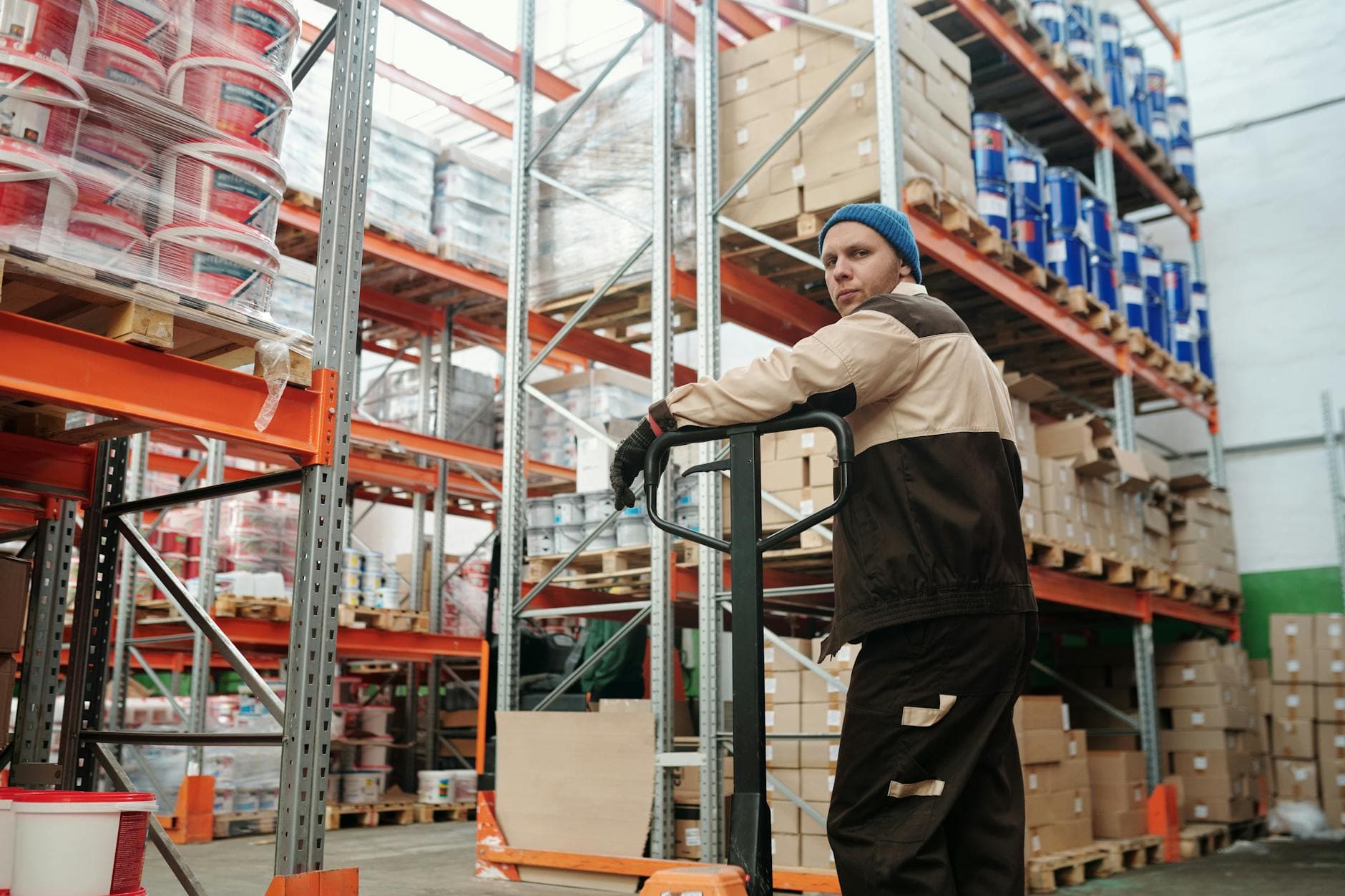
Dollar General’s own safety audit puts a hard number on the scale of the problem: roughly 20,000 stores across 48 states, more than 180,000 employees, and 32 distribution centers. That is a lot of repetitive lifting, bending, reaching, pushing, and pulling, especially in the kind of low-margin, fast-turn environment where a single associate may be trying to stock, recover, and ring at the same time.
OSHA’s ergonomics guidance is blunt about the risk factors. Musculoskeletal disorders can affect muscles, nerves, blood vessels, ligaments, and tendons, and they are tied to heavy lifting, awkward postures, overhead reaching, repetitive work, and forceful pushing or pulling. On a Dollar General freight day, that translates into coolers, endcaps, overstock, back-room pressure, and carts that are too full for comfort but still need to move.
The company’s 2024 safety audit was commissioned after a shareholder proposal at the 2023 annual meeting, and it focused mainly on retail stores, not distribution centers or pOpshelf stores. That matters because the store floor is where a lot of the injury risk hides in plain sight: one rushed load, one twist with a heavy box, one reach too far onto top stock, and a minor ache can turn into a missed shift or a longer-term injury.
What to do before your body pays the price
The simplest protection is often the one workers skip when the pace gets frantic. If a box is awkward or heavy, use a team lift. Keep the load close to your body, avoid twisting while carrying, and break large tasks into smaller loads when possible. If you are stocking into top stock or over shoulder height, slow down and reset your stance instead of reaching and leaning, which puts the strain into your back, shoulders, and wrists.
A few practical habits can reduce risk fast:
- Slide or stage product closer before lifting it.
- Turn your feet instead of twisting your torso.
- Use the right step-stool or ladder, and do not stretch from the last rung.
- Clear the aisle before you move freight, so you are not sidestepping another cart or box.
- Ask for help on oversized, slippery, or unstable items instead of trying to “muscle through.”
Managers should be watching for the warning signs that a store is turning physical work into unsafe work. Repetitive overreaching on top stock, unsafe step-stool use, blocked aisles, and rushed stocking practices are not just efficiency problems, they are injury setups. In distribution settings, the same logic applies even more strongly because the pace and volume are higher, and Dollar General’s careers site points to 30-plus distribution center locations as part of the company’s operating model.
Why the company’s safety record matters to your back, shoulders, and claim file
Dollar General is not operating in a vacuum. On July 11, 2024, OSHA announced a corporate-wide settlement requiring the company to pay $12 million in penalties and make broad safety changes in stores nationwide. Those changes included adding safety managers, reducing inventory, improving stocking efficiency, creating a safety and health committee, and correcting certain hazards generally within 48 hours.
The agreement also called for a third-party consultant, annual unannounced compliance audits, a Safety Operations Center, and an anonymous hotline for safety concerns. OSHA said the enhanced abatement measures would apply across the company’s retail stores in the United States, with the exception of pOpshelf stores. For workers, that is a signal that safety is supposed to be a system, not just a warning sign taped near receiving.
That system has been under pressure before. In March 2023, OSHA said it had issued more than $15 million in fines and cited Dollar General and Dolgencorp in more than 180 inspections nationwide since 2017. The agency pointed to blocked exits, blocked fire extinguishers, unsafe storage, struck-by hazards, and trip hazards in stores in Florida and Georgia. OSHA had already described the company in 2021 as having a long history of disregarding safety measures, and in 2022 it proposed additional penalties in Alabama and Georgia for unsafe conditions.
When pain starts, report it early and put it on the record
The biggest mistake workers make with a strain is waiting. A sore shoulder after unloading freight, a sharp pull in your back after top stock, or tingling in your wrist after repeated stocking is not something to “see if it goes away” while you keep working the same way. Report it as soon as it starts, and make sure the report identifies what task you were doing, where the pain is, and when it began.
If the company response is vague, keep your own notes. Write down the date, the body part, the task, the load, who was there, and whether you asked for help or for a change in assignment. That record matters if the injury later turns into a workers’ comp dispute, especially when the employer wants to argue that the pain came from something else or did not happen on the clock.
You should also know the red flags that mean a sore muscle may be turning into something more serious. Numbness, weakness, swelling, reduced grip, or pain that gets worse after rest are signs that the injury may be beyond routine soreness. In a store culture that rewards speed and endurance, early reporting is not weakness. It is the cleanest way to protect your paycheck, your medical care, and your ability to keep working.
The bigger lesson for Dollar General stores
Dollar General keeps growing, and growth makes ergonomics more important, not less. Its 2025 CSR report says it provided access to more than 20,800 stores across 48 U.S. states and five cities in Mexico, while the company also finalized a new distribution center in North Little Rock, Arkansas. Expansion does not erase the old pressures on the sales floor. If anything, it raises the stakes for every store that is still running freight with thin staffing and constant time pressure.
The takeaway for workers is straightforward: a task that feels repetitive, awkward, or heavy enough to hurt probably needs a better process, not more effort. The safest stores are the ones where people report pain early, fix the setup before the strain gets worse, and treat ergonomics like part of the job, not a luxury after the truck is done.
This article was produced by Prism’s automated news system from verified source data, official records, and press releases, then run through automated quality and moderation checks before publishing. The system is built and supervised by the people who set the standards it runs under. Read our full AI policy.
Did this article answer your question?