Dollar General safety audit targets store hazards, blocked aisles, and worker concerns
Dollar General’s audit only matters if workers can see safer aisles, open exits, and faster hazard fixes on a normal shift, not just in a report.
The real test is whether a store shift looks different
Dollar General’s safety audit only matters to workers if it changes what happens on the floor: blocked aisles stay clear, exits stay open, and hazards get fixed before the next rush. The company’s report was commissioned after a shareholder push and was aimed mainly at retail stores, not distribution centers or pOpshelf locations, which makes the store-level details the part employees should watch closest.
What the audit actually covered
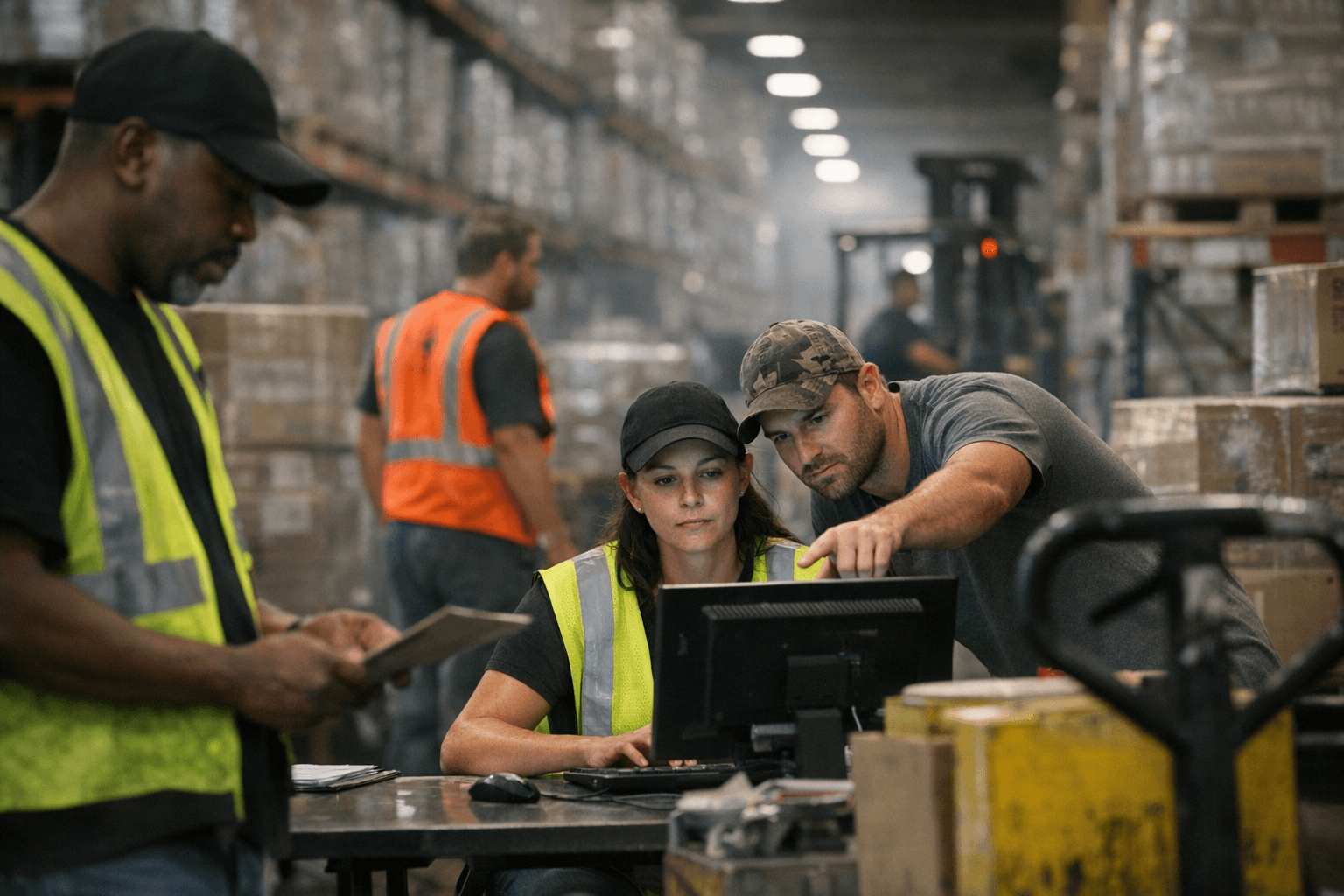
The report says Dollar General operates 32 distribution centers, but the audit focused primarily on retail stores because that is where the shareholder resolution pointed the company. That matters because a cashier, stocker, or assistant manager does not experience the business as a corporate chart. They experience it as the backroom, the sales floor, the endcaps, the fire lane, and the checkout line.
Just as important, the audit team did not only talk to executives. It interviewed employees across the company and across functions, including store operations, supply and demand chain, human resources, asset protection, risk management, legal, and investor relations. That breadth suggests the report was built to connect frontline conditions with the people who shape policy, not just to produce a document for outside readers.
What workers should look for on an ordinary shift
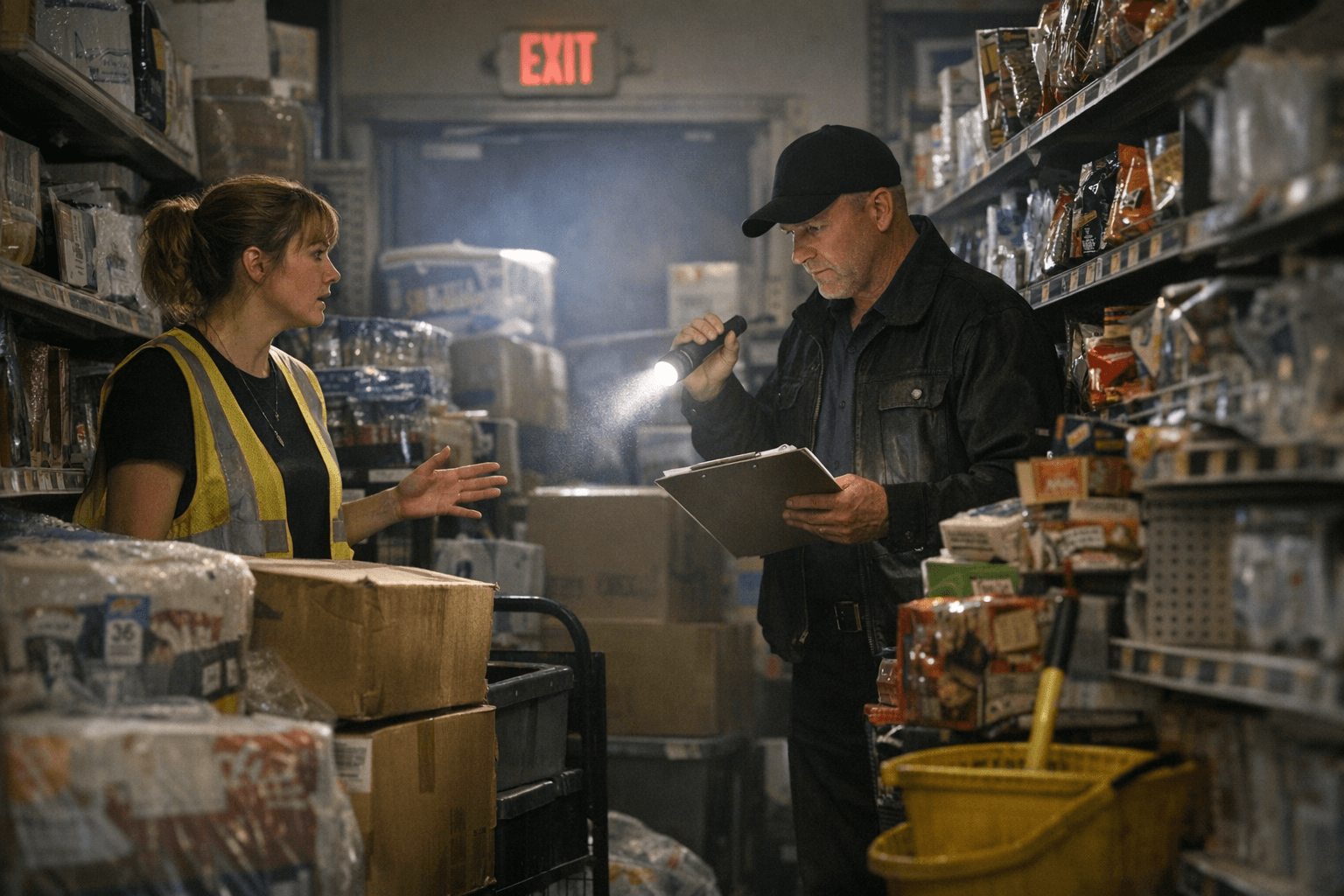
For Dollar General employees, the key question is simple: can you tell the audit changed anything without reading the report? If it is real, the difference should show up in everyday problems that workers already know too well, like freight sitting in aisles, damaged fixtures, unstable stacking, clutter that slows down recovery, and exits that get treated like storage space.
The audit is useful because it gives employees a practical vocabulary for documenting problems. Instead of describing a store as messy, workers can point to blocked exits, blocked aisles, electrical panels that cannot be reached, fire extinguishers buried behind product, and conditions that need corrective action. That language matters because it turns a general complaint into a safety issue that management is expected to track and fix.
The worker-proof test is not whether the company says safety is a priority. It is whether a typical shift becomes easier to move through, easier to clean up, and less risky when freight arrives late, staffing is thin, or the store is already behind. If the audit has value, it should be visible in the time workers spend clearing hazards instead of working around them.
Why the pressure did not come out of nowhere
This audit sits inside years of criticism about Dollar General store conditions. In May 2023, Dollar General shareholders approved the worker-safety proposal with 67.7% support, according to Domini Impact Investments. Domini said the proposal was filed with co-filers including Adrian Dominican Sisters, Portico Benefit Services, Presbyterian Church U.S.A., Trinity Health, and United Church Funds.
That vote matters because it showed the demand for change was not just coming from workers and regulators. Investors were also pushing for an independent third-party audit of the company’s policies and practices on worker safety and well-being. In other words, the company was being pressed from multiple directions to prove that store conditions were more than a public relations problem.

OSHA’s record is what gives the audit teeth
Regulators had already been documenting the same kinds of hazards for years. OSHA said Dollar General inspectors repeatedly found aisles, emergency exits, fire extinguishers, and electrical panels blocked by stored merchandise, creating fire, electrical, struck-by, and entrapment risks. By May 2023, the agency said the company had faced more than $21 million in proposed fines after more than 240 inspections nationwide.
OSHA later said in July 2023 that the total had risen to more than $21 million after more than 243 inspections since 2017, and that Dollar General had been included in its Severe Violator Enforcement Program. For workers, that history is the backdrop to every new promise. It explains why an audit cannot be read as a fresh start unless the same recurring hazards actually disappear.
The 2024 settlement raised the stakes even higher
On July 11, 2024, the U.S. Department of Labor announced a corporate-wide settlement with Dollar General and its retail subsidiaries requiring major workplace safety improvements in stores nationwide. The agreement excludes pOpshelf stores and includes a $12 million penalty, plus enhanced abatement measures, training, a safety hotline, and unannounced third-party audits.
One of the most important pieces for the sales floor is the correction timeline. Dollar General said hazards generally must be fixed within 48 hours under the settlement framework. That gives workers a concrete standard to judge against. If a blocked exit or unsafe stack lingers beyond that window, the problem is no longer just inconvenience. It is a failure of the system the company agreed to put in place.
What this means inside Dollar General’s stores
Dollar General’s scale is what makes all of this more than a local issue. In fiscal 2024, the company reported $40.6 billion in net sales and about 19,000 stores nationwide. A safety breakdown on that kind of footprint is not a one-store problem. It is an operating model problem.
The company has also said it planned to respond to the shareholder request by commissioning an independent third-party review and publishing a report. That response shows management understands the pressure. The harder part is proving that the report changes the day-to-day reality of stocking, recovery, and closing procedures in stores that already run tight on time and space.
For workers, the bottom line is straightforward: the audit only counts if it shows up in cleaner aisles, reachable exits, safer stacking, and faster fixes. Anything less is paper compliance. Anything more would be visible the moment a shift starts running behind.
Know something we missed? Have a correction or additional information?
Submit a Tip