Dollar General scales back self-checkout as states push tighter limits
Dollar General is pulling back self-checkout in thousands of stores while Rhode Island, Connecticut and Massachusetts weigh tighter limits that could mean more staffed lanes and more front-end work.
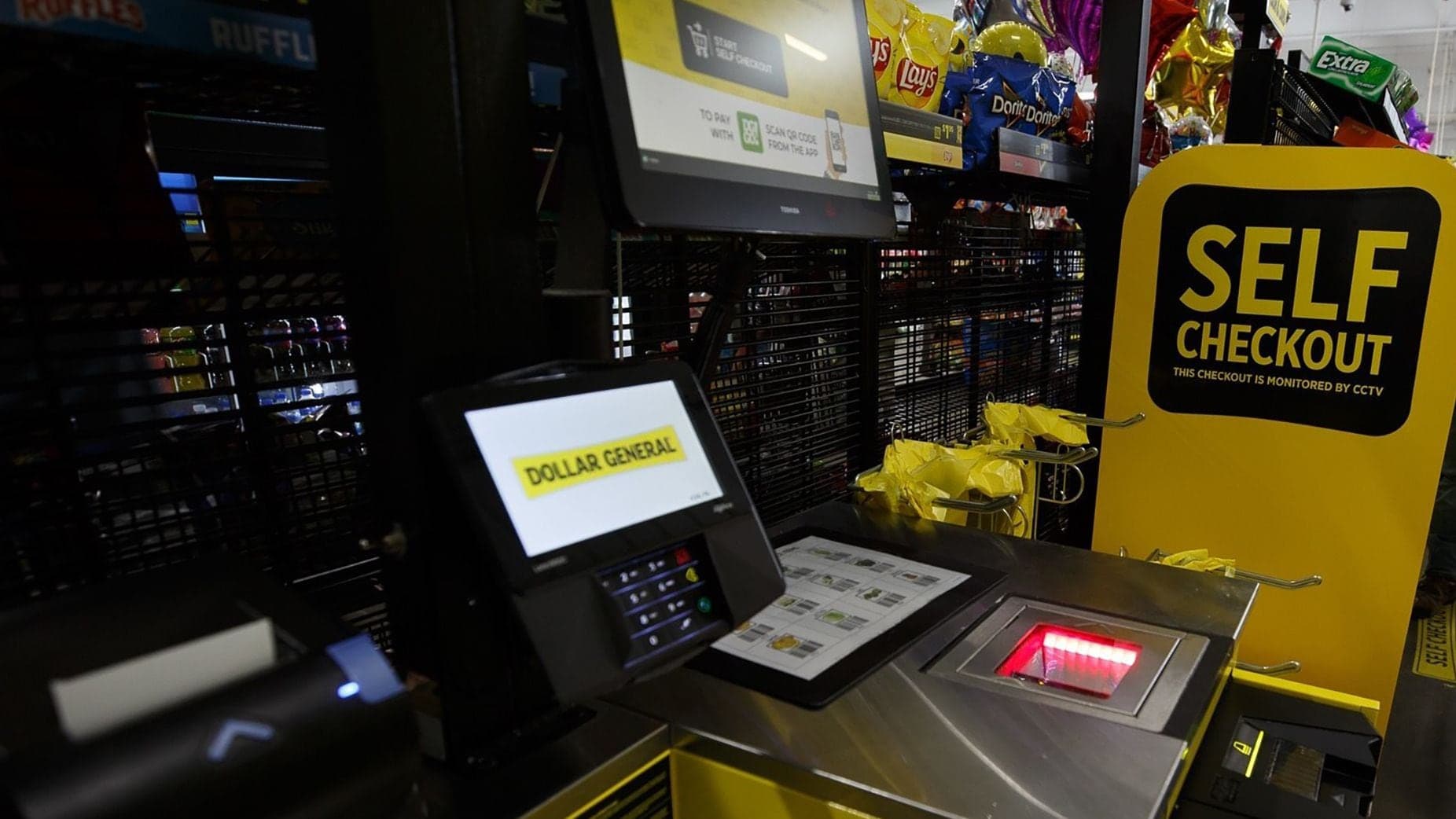
Dollar General’s retreat from self-checkout is turning into a front-end staffing story, not just a shrink story. The company said on March 14, 2024, that it would convert some or all self-checkout registers to assisted checkout in about 9,000 stores, cap self-checkout at five items or fewer in others, and remove the kiosks entirely from more than 300 of its highest-shrink stores in the first half of 2024.
That move has only grown more significant. Later reporting said Dollar General had removed self-checkout from about 12,000 stores since the start of 2024, a sweeping change for a chain that operates roughly 20,000 stores across 48 states and employs more than 180,000 people. Chief Executive Todd Vasos framed the shift as part of the company’s effort to cut shrink, which Dollar General has called its most significant headwind, while also increasing personal engagement with customers.
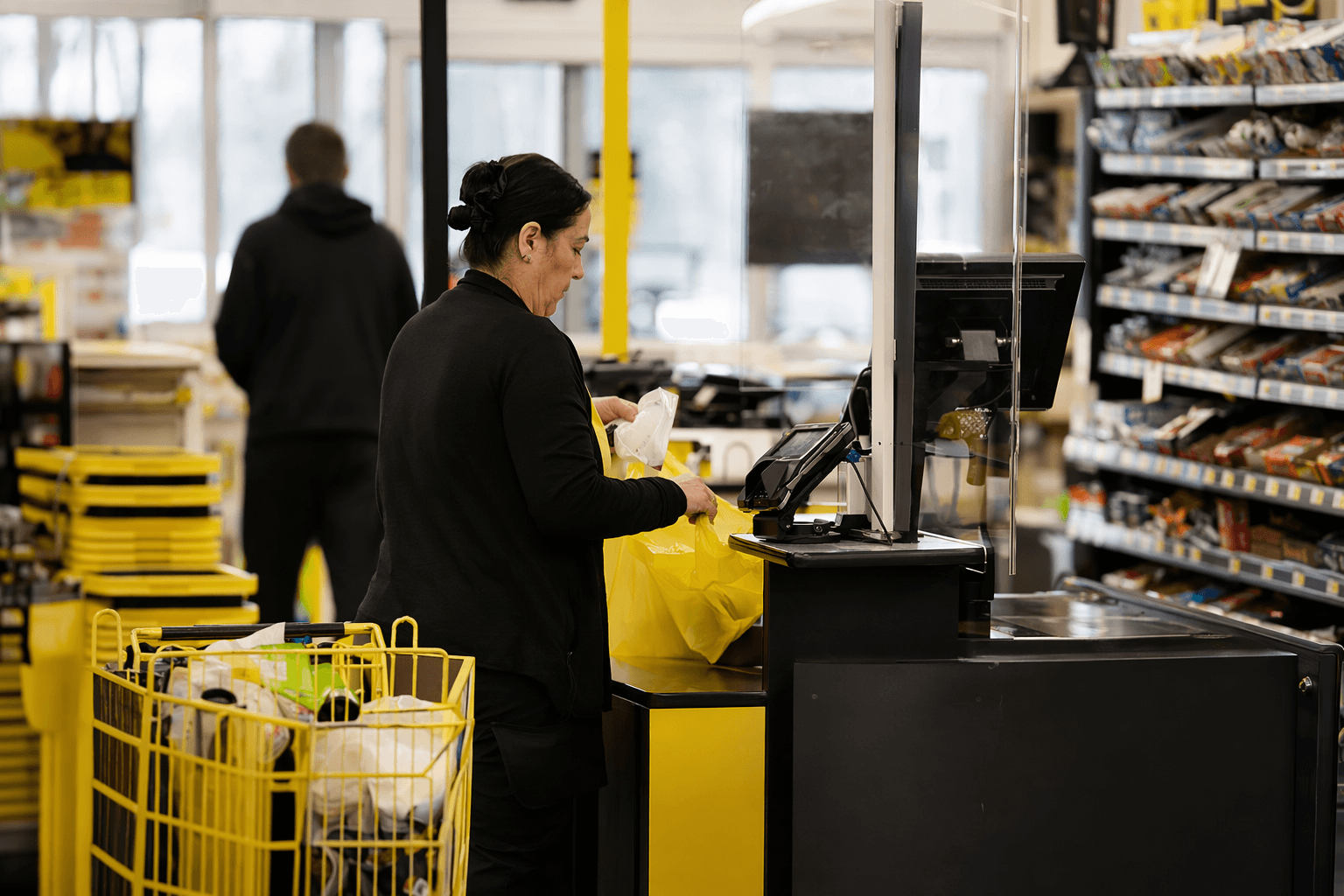
Now state lawmakers are moving in the same direction. Policymakers in Rhode Island, Connecticut and Massachusetts are weighing tighter rules for self-checkout, including caps on the number of kiosks, limits on how many machines one employee can oversee, and requirements that staffed lanes stay open alongside self-service. That approach reflects a retail reality Dollar General workers know well: unattended lanes can speed lines, but they also create more exception calls, more age-verification problems, more theft concerns and more pressure on the few associates covering the front end.
For Dollar General stores running lean, the practical question is whether tighter rules will mean more hours for cashiers or just more tasks stacked onto the same headcount. If a store has to keep a traditional lane open while also monitoring kiosks, the front end gets harder to staff, not easier. In markets where limits spread, district leaders may need to schedule more labor around the register, not less, and train associates to handle suspended transactions, customer disputes and item-limit enforcement.
That matters because Dollar General has already been under outside pressure to improve how it runs stores. In July 2024, the U.S. Department of Labor announced a corporate-wide OSHA settlement requiring the company to pay $12 million and make changes that included additional safety managers, more training, a safety committee with worker participation and better hazard-correction procedures. Against that backdrop, self-checkout is no longer a simple technology choice. It is part of how Dollar General manages labor, shrink and safety at a front end that has long been stretched thin.
This article was produced by Prism’s automated news system from verified source data, official records, and press releases, then run through automated quality and moderation checks before publishing. The system is built and supervised by the people who set the standards it runs under. Read our full AI policy.
Did this article answer your question?