Dollar General Shares Drop as Gas Prices Squeeze Low-Income Shoppers
Dollar General shares dropped as much as 11% after the retailer projected 2026 same-store sales growth of just 2.2%–2.7%, blaming $3.57/gal gas prices squeezing shoppers earning under $35,000.
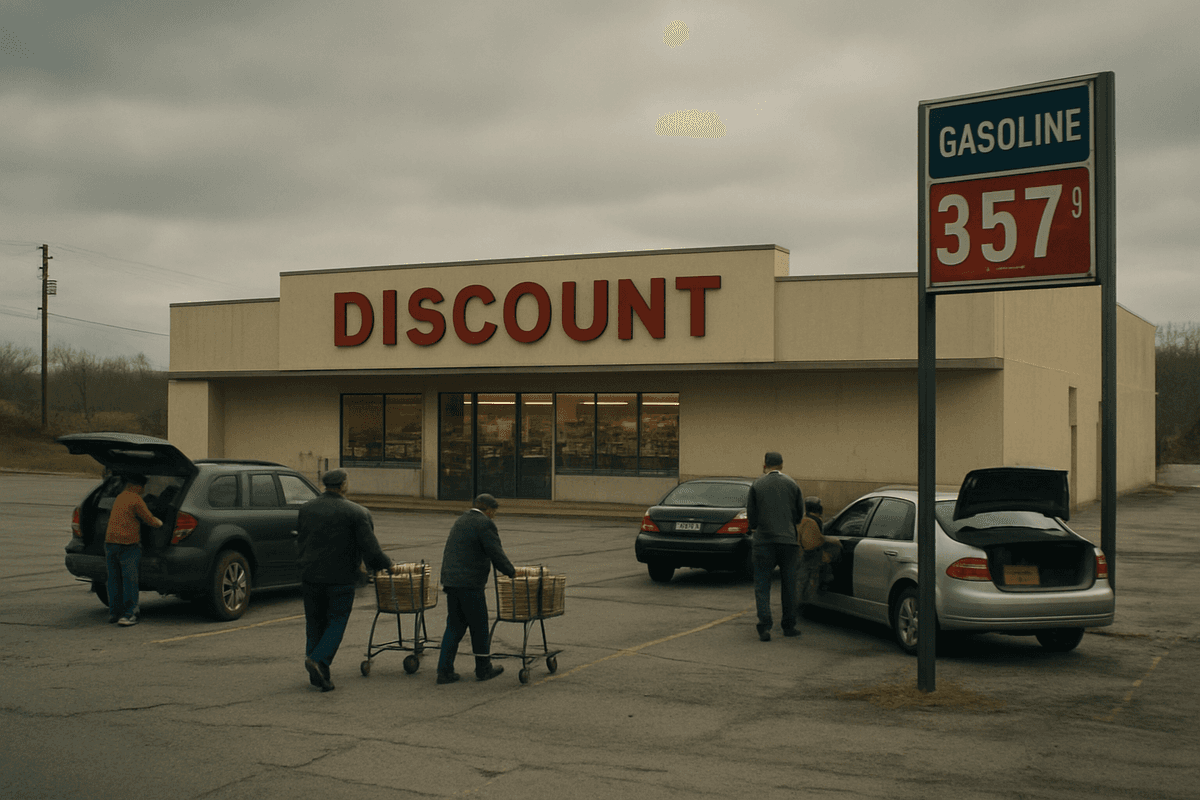
Dollar General's fourth-quarter earnings beat Wall Street expectations, but the company's cautious outlook for fiscal 2026 was enough to send shares of NYSE: DG tumbling sharply, underscoring how $3.57-per-gallon gasoline is reshaping spending decisions for households that form the discount chain's core customer base.
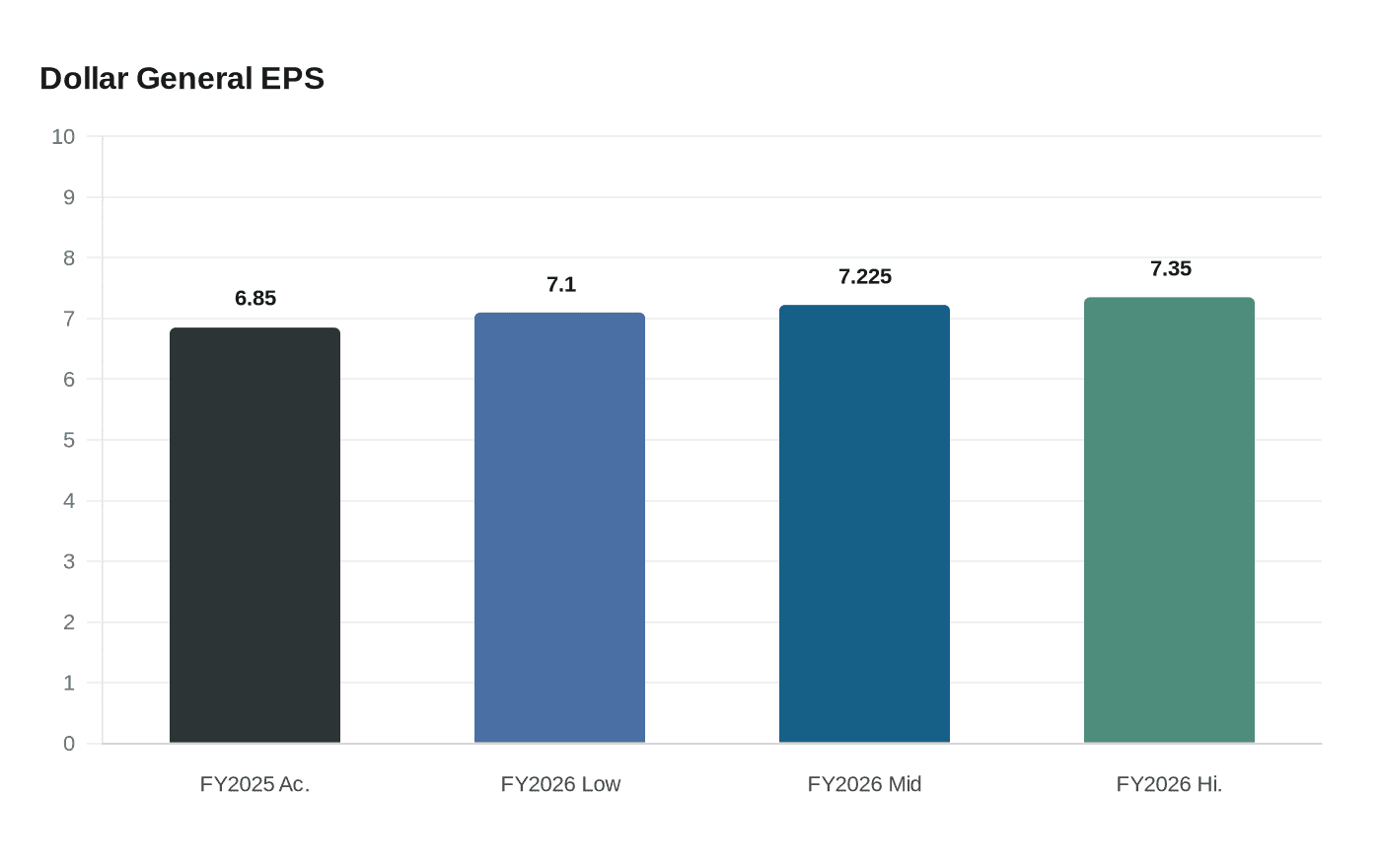
The company posted fourth-quarter net sales of $10.9 billion, up 5.9% year over year, with same-store sales jumping 4.3%. Full-year earnings per share landed at $6.85, a 34% increase from the prior year. The results cleared Wall Street's bar, but the forward guidance told a different story.
For fiscal 2026, Dollar General projected same-store sales growth in the range of 2.2% to 2.7%. That fell short of the 3.0% growth analysts had modeled, according to market analysis, and sat above the 2.48% estimate compiled by LSEG. The company's annual profit forecast of $7.10 to $7.35 per share had a midpoint largely in line with LSEG's $7.21 consensus estimate, providing little cushion for optimism. Shares fell about 7% in early trading on March 12, according to Reuters, while separate market analysis reported a decline of more than 6% the following session. The stock tumbled as much as 11% on the news, according to a LinkedIn analysis by Laura Stewart, despite having surged more than 75% in 2025 and rising roughly 10% year to date before the earnings report.
Analysts at Truist Securities noted that sales growth from higher-income consumers softened noticeably in February amid a broader slowdown early in the first quarter, adding that the guidance could prove more "conservative" than some investor expectations.
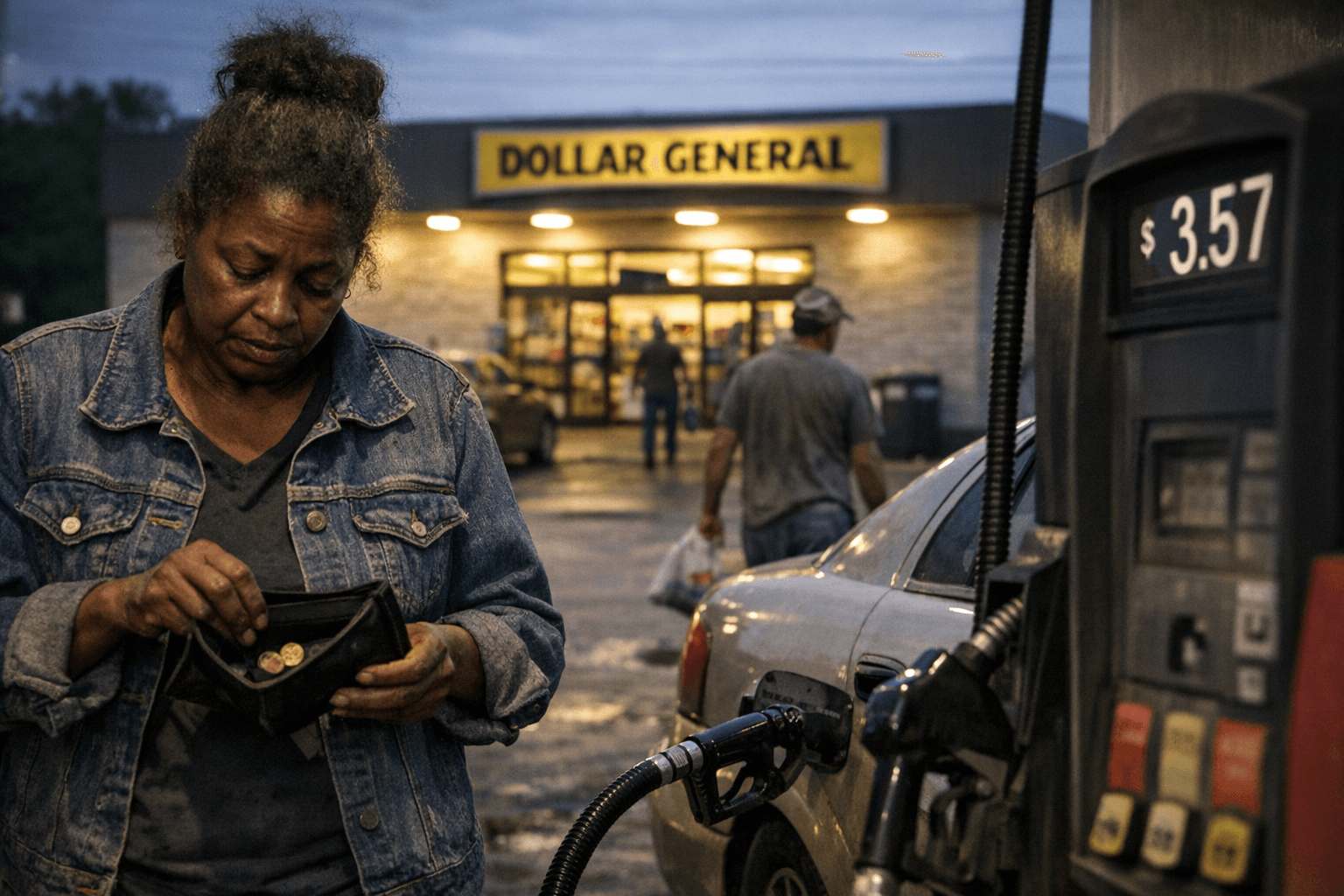
Management pointed to the dual pressures of persistent inflation and a recent gasoline price spike as the primary forces constricting its shoppers. CFO Donny Lau, speaking on a post-earnings call, said a severe winter storm in early February led to temporary store closures that affected sales at the start of the year, prompting the company to forecast first-quarter comparable sales below estimates. Dollar General also faces stiff competition from Walmart and Amazon, both of which have gained ground with value-seeking customers.
The macro backdrop amplified those concerns. National gasoline prices averaged $3.57 per gallon in mid-March 2026. The U.S. unemployment rate climbed to 4.4% in February, up from 4.3% in January, and consumer prices likely accelerated that same month, driven by tariffs and rising oil costs tied to tensions in the Middle East.
Those conditions hit Dollar General's customer base with particular force. CE share-of-wallet analysis flagged the company as having among the highest customer share of wallet allocated to gasoline, a direct reflection of its lower-income, price-sensitive shoppers. "That makes them more vulnerable when gas prices rise and stay elevated, as fuel competes directly with discretionary spending," Stewart wrote. Dollar General's rural store footprint deepens that exposure: its customers are more car-dependent than shoppers at peers such as Dollar Tree, placing Dollar General at the top of the Discount/Club category in CE's gas exposure rankings alongside Sam's Club. The markets analysis described fuel costs as acting as a "regressive tax" on Dollar General's core demographic, households often earning less than $35,000 annually.
On the real estate side, Dollar General opened 589 new stores in 2025 and closed 290, the closures tied to a portfolio optimization review and the wind-down of its pOpshelf concept. The company netted 299 stores last year compared with 608 net openings in 2024, a significant deceleration. For the year ahead, it plans to open 450 new stores and complete roughly 4,250 remodels and renovations.
The share decline drew a broader interpretation from market analysts, who characterized Dollar General's drop as a "canary in the coal mine" for the U.S. economy, a signal that the lower-income consumer is under mounting pressure. Discount retailers overall face continued volatility until essential living costs show a clear and sustained downward trend.
This article was produced by Prism’s automated news system from verified source data, official records, and press releases, then run through automated quality and moderation checks before publishing. The system is built and supervised by the people who set the standards it runs under. Read our full AI policy.
Did this article answer your question?