Dollar General Shares Fall to $146.63 but Outperform Peers, Raising HR Concerns
Dollar General shares fell to $146.63 but outperformed larger retail peers, signaling investor focus that could pressure staffing, scheduling and labor budgets.
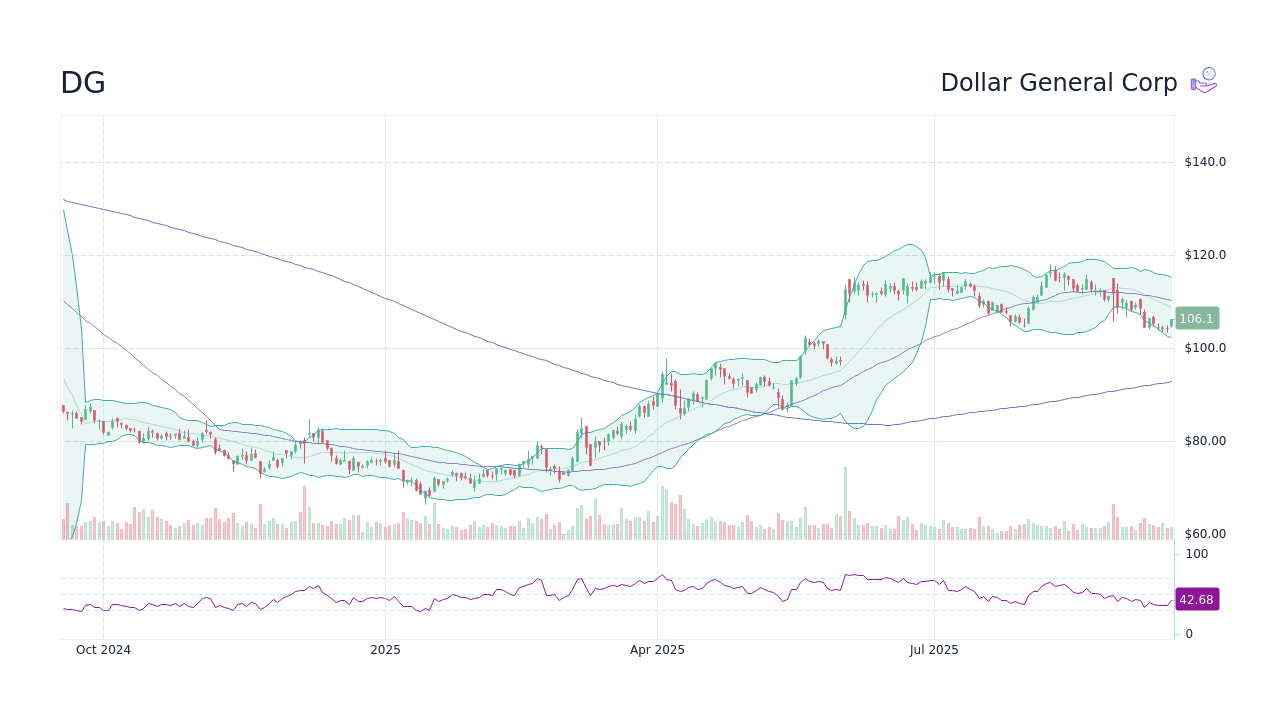
Dollar General shares fell to $146.63 in a broadly negative trading session on Jan. 20, though the stock outperformed some larger retail peers. The market move highlights investor scrutiny of margins and cost structure that can quickly translate into operational decisions at the store level.
For HR and operations leaders, investor attention matters because it often drives the conversations executives have about labor expense. When analysts and investors focus on profitability, companies commonly re-examine payroll, scheduling, and hiring plans. In practical terms, that can mean tightened budgets for overtime, slower replacement hiring for turnover, and greater emphasis on productivity metrics for hourly associates and distribution center staff.
Store managers are likely to feel early effects. Dollar General employs a large network of small-format stores where scheduling flexibility is already a daily necessity. Pressure from corporate to trim labor costs tends to show up as reduced hours, more conservative shift staffing, and increased use of part-time coverage. Those tactics can keep payroll dollars in check while creating pinch points for customer service, shelf work and loss-prevention efforts.
Operations and HR teams will also be watching distribution and supply-chain staffing. Even modest reductions in store-level hours can shift workload to distribution centers or force changes in replenishment cadence, which in turn affects overnight and seasonal scheduling. For hourly workers, the key risks are fewer guaranteed hours, changes to scheduling predictability, and increased emphasis on cross-training to cover gaps.

There are non-budgetary consequences as well. Heightened cost-cutting conversations can affect morale and turnover, and make it harder to recruit in tight local labor markets. Safety and compliance risks rise when staffing is stretched thin; understaffed stores or warehouses can experience more workplace incidents and lapses in required breaks and documentation. HR leaders balancing financial targets and operational realities will need to weigh short-term savings against potential long-term costs of higher attrition, lower engagement and reputational harm.
To prepare, HR and operations should scenario-plan around modest reductions in labor spend, tighten communication with store managers, audit schedules for compliance and fairness, and monitor retention and safety metrics closely. Tracking how investor pressure evolves around subsequent earnings announcements will give managers a clearer signal of whether cost scrutiny is a short-term market reaction or the start of a sustained company strategy shift.
For workers, the immediate takeaway is heightened uncertainty around hours and staffing; for HR professionals, the next steps are clear: translate investor signals into thoughtful, compliant operational plans that protect service levels and worker well-being while meeting financial targets.
This article was produced by Prism’s automated news system from verified source data, official records, and press releases, then run through automated quality and moderation checks before publishing. The system is built and supervised by the people who set the standards it runs under. Read our full AI policy.
Did this article answer your question?