Dollar General spotlights distribution workers behind store stocking network
Dollar General’s store-stocking network starts in the warehouse and on the road. For workers trying to leave the sales floor, DG’s distribution and fleet jobs offer a different path into the company’s logistics engine.
What the distribution page tells workers
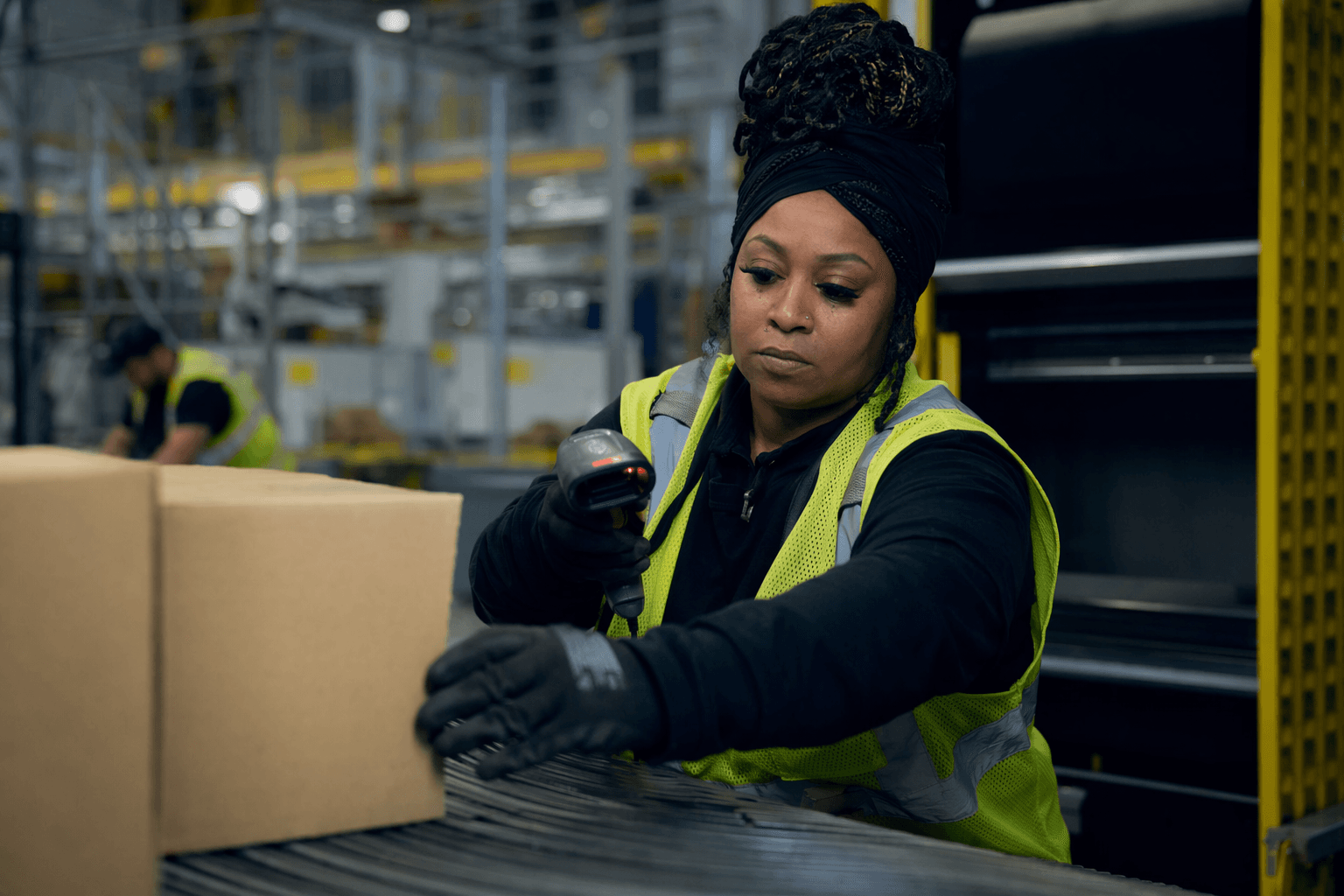
Dollar General’s distribution page is more than a hiring ad. It is a map of the jobs that keep a store from going dark on freight days, and it makes a blunt point: stores cannot run without distribution employees. For anyone stuck dealing with late trucks, half-built aisles, or a backroom stacked too high, that matters because the page connects those headaches to the people and systems upstream.
The company says workers can find jobs in more than 30 distribution center locations, and that those teams help move food and other goods to neighborhood stores across the United States. It also says the fleet team is what keeps shelves stocked with the products customers need. In other words, the page is aimed at workers who want to understand how a pallet gets from a warehouse lane to a store shelf, and where a move out of front-line retail might fit.
How DG’s supply chain holds the stores together
Dollar General has described its supply chain as a network that runs around the clock. In its earlier supply-chain materials, the company said it had 17 traditional distribution centers, four cold storage facilities, and a private fleet serving stores across 44 states. That is the scale behind a business model built on rapid replenishment, small stores, and heavy dependence on constant freight flow.
That network has kept expanding. In fiscal 2025, Dollar General said it finalized the opening of its newest distribution center in North Little Rock, Arkansas. In the same year, the company said it opened 589 stores, relocated 47 stores, and remodeled more than 4,254 stores. Those numbers tell you why logistics keeps becoming more important, not less: every new opening, relocation, and remodel adds pressure on the people moving product behind the scenes.
Why store workers feel distribution problems first
The gap between a well-run warehouse and a strained one shows up fast on the sales floor. If warehouses are short-handed or the fleet is stretched, store teams feel it in late trucks, unfinished shelves, and more pressure on the people already on the clock. That is why freight timing, stockouts, and backroom congestion are not just store problems. They are signs that something upstream is off.
Recent reporting has pointed to Dollar General scaling back temporary warehouses and leaning more heavily on self-owned distribution centers to improve capacity and performance. Earlier coverage said the chain was retooling its supply chain through new distribution centers and greater reliance on its own trucking fleet. Put together, those moves suggest the company is trying to stabilize the network that supports stores, not just hire more bodies for the warehouse floor.
What distribution jobs look like inside DG
For workers who want out of front-line store work, distribution can offer a different kind of role inside Dollar General. It is still physical work, but it shifts the daily focus from customers and register lines to inventory flow, loading, unloading, and equipment handling. For associates who are stronger in logistics than in selling, that can make the work feel more direct and more predictable.
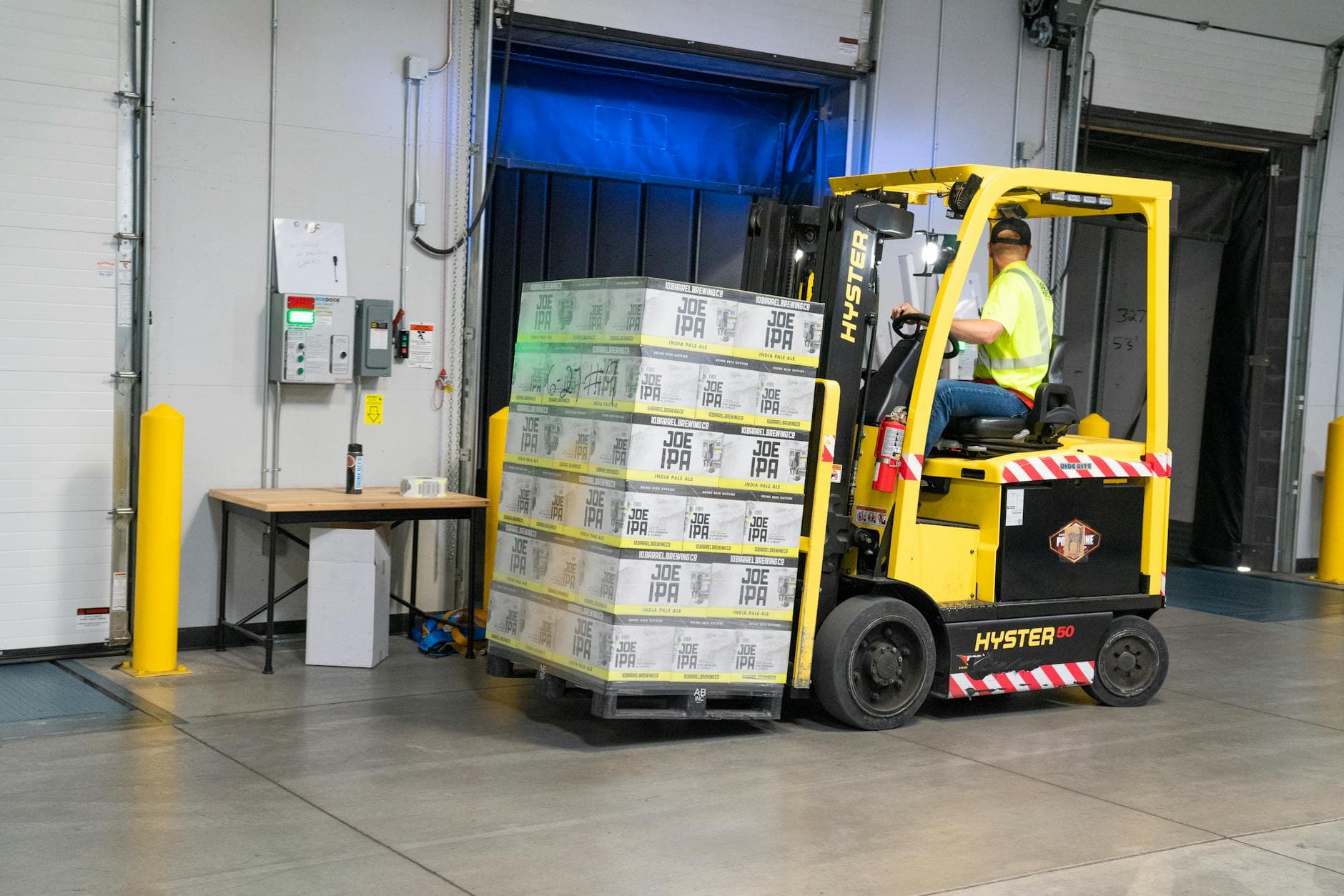
Dollar General’s distribution postings point to roles such as general warehouse worker. Those jobs sit inside a much larger operation that supports food and other goods moving to neighborhood stores. The upside is a career path tied to supply-chain operations rather than the sales floor, which matters for workers who want a step up that still stays inside the company.
What the fleet team does
Dollar General’s fleet page is equally concrete. It says drivers lead on-time freight delivery between distribution centers and stores. The page also says drivers unload trailers, inspect vehicles, and maintain accurate logbooks. That mix of driving, compliance, and physical labor makes fleet work a different lane from warehouse work, but both are part of the same delivery chain.
The company is recruiting both people who already have a Class A CDL and people who want to earn one. That matters for workers looking at DG as a place to build a longer logistics career, not just take the next available shift. Fleet work can be a route into driving, and it gives workers a path that is separate from the day-to-day strain of store labor.
The safety and operations side that workers do not always see
The supply-chain materials also show how much infrastructure sits behind the delivery of a single truckload. Dollar General says its fleet has local safety supervisors, fleet maintenance teams, and distribution centers working together on training, safe equipment, and safe loads. That suggests the company is trying to manage not just speed, but also the kind of safety issues that can come with constant freight movement.
For workers, that matters because the consequences of weak safety systems show up in both warehouses and stores. A clean handoff, a safe load, and a truck that arrives on time are not abstract metrics. They shape whether a store can stock shelves without chaos and whether the people unloading freight are set up to finish the job safely.
Why this matters for a career move inside DG
The distribution page is useful because it turns a frustrating store reality into a clearer career map. If freight keeps arriving late, if the backroom is always jammed, or if the work of filling shelves feels disconnected from any real path up, the page shows where that product flow starts. It also shows that Dollar General is trying to treat logistics as a core part of the business, not a side function.
That gives store associates, district managers, and other employees a practical question to ask: do I want to stay on the sales floor, or move into the part of the company that keeps the shelves full in the first place? With more than 30 distribution center locations, a growing private fleet, and a supply chain the company calls the heartbeat of DG, the answer may come down to whether you want to work where the product is sold or where the whole operation is actually kept running.
This article was produced by Prism’s automated news system from verified source data, official records, and press releases, then run through automated quality and moderation checks before publishing. The system is built and supervised by the people who set the standards it runs under. Read our full AI policy.
Did this article answer your question?