Dollar General workers, lean loss prevention teams focus on what matters
Lean loss prevention at Dollar General works best when it cuts shrink, clears hazards, and helps store teams respond fast in messy moments.
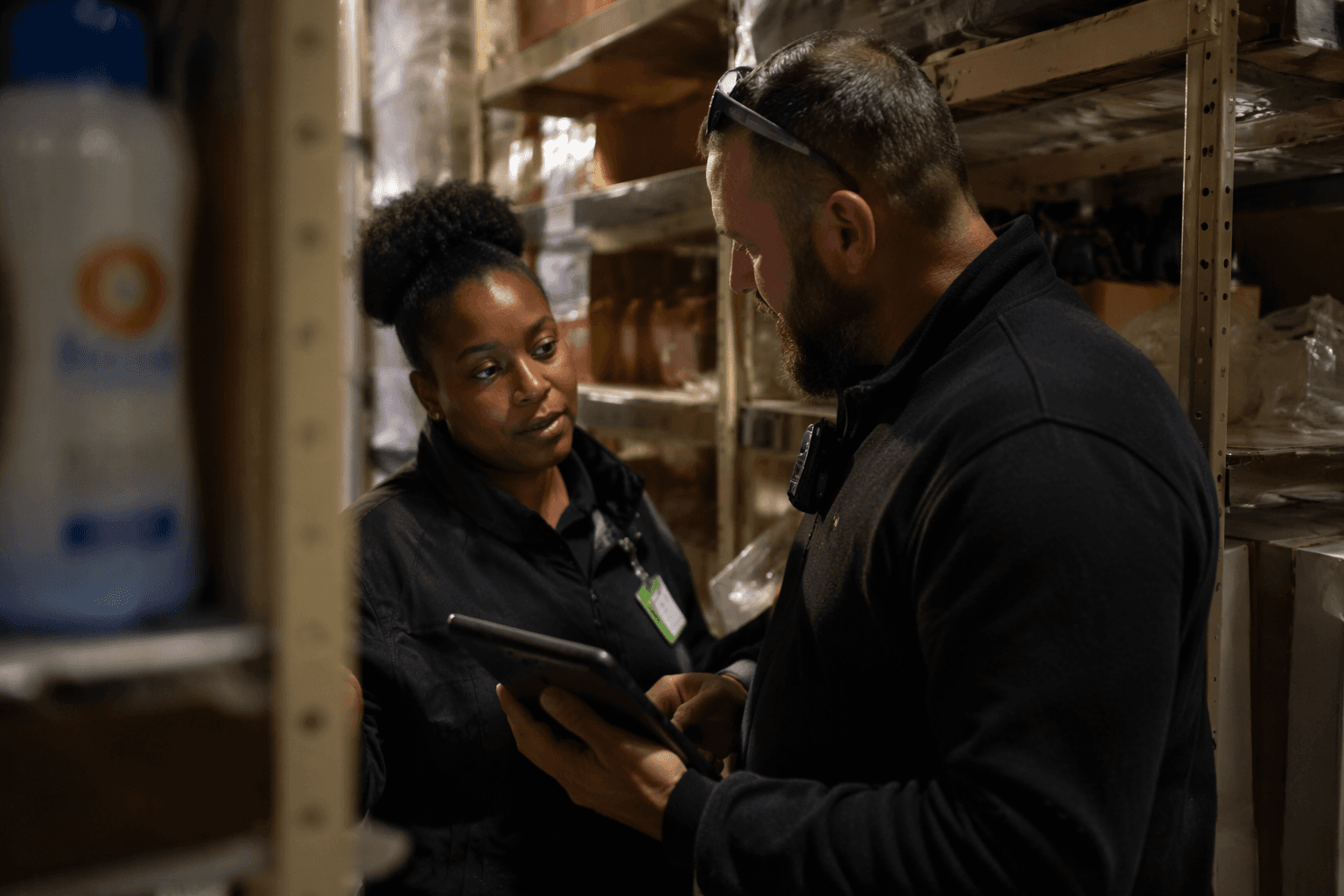
The best loss-prevention work at Dollar General is the work that shrinks risk, not the work that just looks busy. At a June 9 NRF PROTECT discussion, the message for lean LP teams was blunt: do fewer things, but make those things measurably change shrink, safety, and incident response. That lands hard in a chain where stores often run thin, one more checklist can mean one less person on the floor, and a bad day can turn into a safety issue fast.
Focus first on the work that changes outcomes
The panel’s most useful point was not about technology or tactics, but discipline. Strong loss-prevention teams do not try to be everywhere at once. They decide what deserves time, what can wait, and what should be dropped because it does not lower shrink or protect workers.
For Dollar General store teams, that means prioritizing the tasks that have a visible effect on the sales floor and in the stockroom. Intentional field presence matters when it is tied to real problems, such as repeat theft patterns, blocked exits, cluttered backrooms, or a confrontation that needs calm handling. It matters less when it becomes another round of observation with no follow-through.
The best teams also translate issues into plain language leaders can use. The panel stressed dollars, not just percentages, and that is the right frame for a retailer like Dollar General. If a task does not help a manager explain what was lost, what was prevented, or what got safer, it is probably not the highest-value use of limited labor.
Why shrink is not an abstract finance problem
Dollar General is old enough and large enough to make these choices at scale. The company says it was founded in 1939, and its January 30, 2026 SEC filing lists its headquarters at 100 Mission Ridge in Goodlettsville, Tennessee. It ended fiscal 2025 on January 30, 2026. That history matters because the chain has spent decades turning small store-level decisions into major companywide outcomes.
Shrink is where that becomes visible. Forbes reported that Dollar General’s inventory shrink hit $928 million in 2024, roughly 84 percent of the company’s 2024 net income. By the first quarter of 2026, shrink had fallen to $153 million, down 13 percent from $176 million a year earlier. Dollar General said on its first-quarter 2026 earnings call that shrink improved by 28 basis points year over year, and gross margin rose by 65 basis points, helped by lower shrink and lower damages.
For store teams, the lesson is not that every aisle sweep or camera review matters equally. The lesson is that shrink control works when it is tied to operational discipline: tighter inventory handling, cleaner stockroom flow, better response to theft patterns, and fewer conditions that make loss easier. If a routine does not show up in those results, it may be consuming time without creating much value.
Safety is part of asset protection, not separate from it
The other half of the story is worker safety, which the company cannot treat as a side issue. On July 11, 2024, OSHA and the U.S. Department of Labor announced a corporate-wide Dollar General settlement that required the company to pay $12 million and make major safety changes across stores nationwide.
Those changes were not cosmetic. The agreement required additional safety managers, reduced inventory, improved stocking efficiency, safety training for both leaders and non-managerial employees, a safety and health committee, third-party consultants and auditors, a new Safety Operations Center, and an anonymous hotline for reporting concerns. It also required many hazards, including blocked exits, fire extinguisher access problems, and improper material storage, to be corrected generally within 48 hours.
The settlement carried teeth. Dollar General also faced monetary assessments of $100,000 per day of violation, up to $500,000, and OSHA said the company would have to report quarterly for two years. That matters because the most frustrating safety problems in stores are often the ones that linger: a cluttered backroom, a blocked aisle, a box in front of an exit, or a fire extinguisher nobody can reach quickly.
For associates, the practical test is simple: does the system help you de-escalate, document a problem, or get help quickly? If it does not, it is not really a safety system. It is just paperwork.
What store teams should keep, and what they should cut
The June 9 panel’s logic gives Dollar General managers a way to sort worthwhile LP work from low-value routine. In a store with thin staffing, that sorting is not optional.
- puts eyes on the problems that repeatedly drive shrink
- gets hazards fixed fast, especially blocked exits and unsafe storage
- helps associates respond after a violent incident, emergency, or serious confrontation
- uses the hotline, committee, and reporting chain to surface issues without retaliation fear
- turns field observations into concrete action, not just notes in a file
Keep the work that:
- sends people on broad patrols with no plan to solve anything
- produces reports nobody uses to change store conditions
- creates extra steps without lowering shrink or improving safety
- treats every task as equally important, even when staffing is already stretched
Cut back the work that:
That last point is especially important in Dollar General stores, where the day can already be crowded with freight, recovery, customer service, checkout coverage, and cleaning. A lean LP approach does not ask store teams to do more. It asks them to do less of the wrong work and more of the work that actually keeps people safe and protects margins.
The real test is trust
There is also a human side to this that corporate dashboards miss. Workers are more likely to speak up, report a problem, or follow a procedure when they trust that the response will be fair and useful. That is especially true after a frightening event, when associates may be shaken and unsure whether they handled it correctly.
For Dollar General, that means loss prevention is not just about guarding merchandise. It is about keeping stores orderly enough to work in, reducing the kinds of avoidable incidents that derail a shift, and creating a response culture that feels usable instead of punitive. The company’s recent shrink improvement shows that tighter execution can move the numbers. The OSHA settlement shows that safety gaps can carry real costs. Put together, they point to the same conclusion: the most effective LP teams are the ones that know exactly what not to do.
This article was produced by Prism’s automated news system from verified source data, official records, and press releases, then run through automated quality and moderation checks before publishing. The system is built and supervised by the people who set the standards it runs under. Read our full AI policy.
Know something we missed? Have a correction or additional information?
Submit a Tip