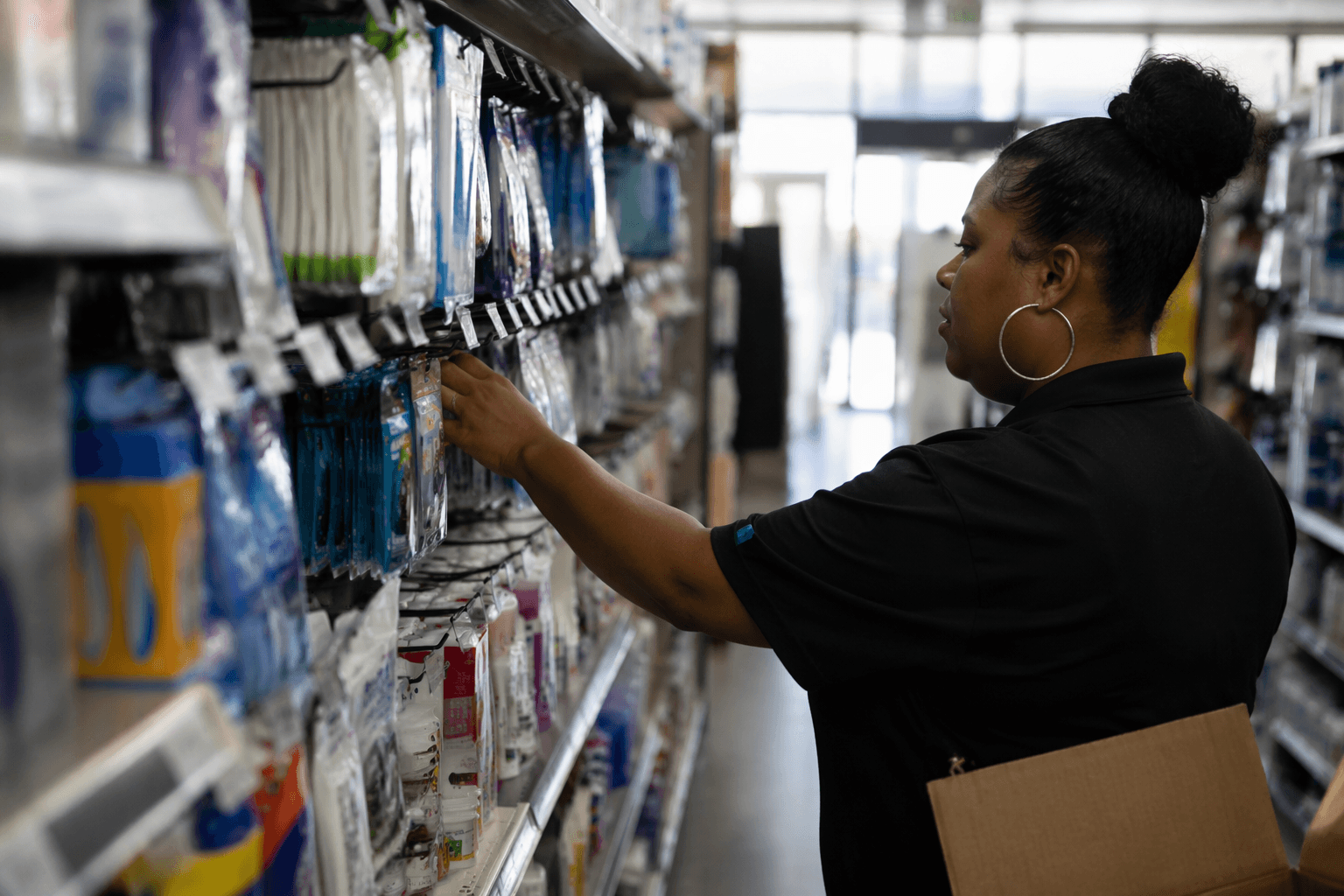
Dollar General workers use Legion app to manage shifts and availability
Legion gives Dollar General workers a faster way to set availability, see shifts, and grab callouts, but the app still works inside labor rules managers control.
What Legion is doing for Dollar General
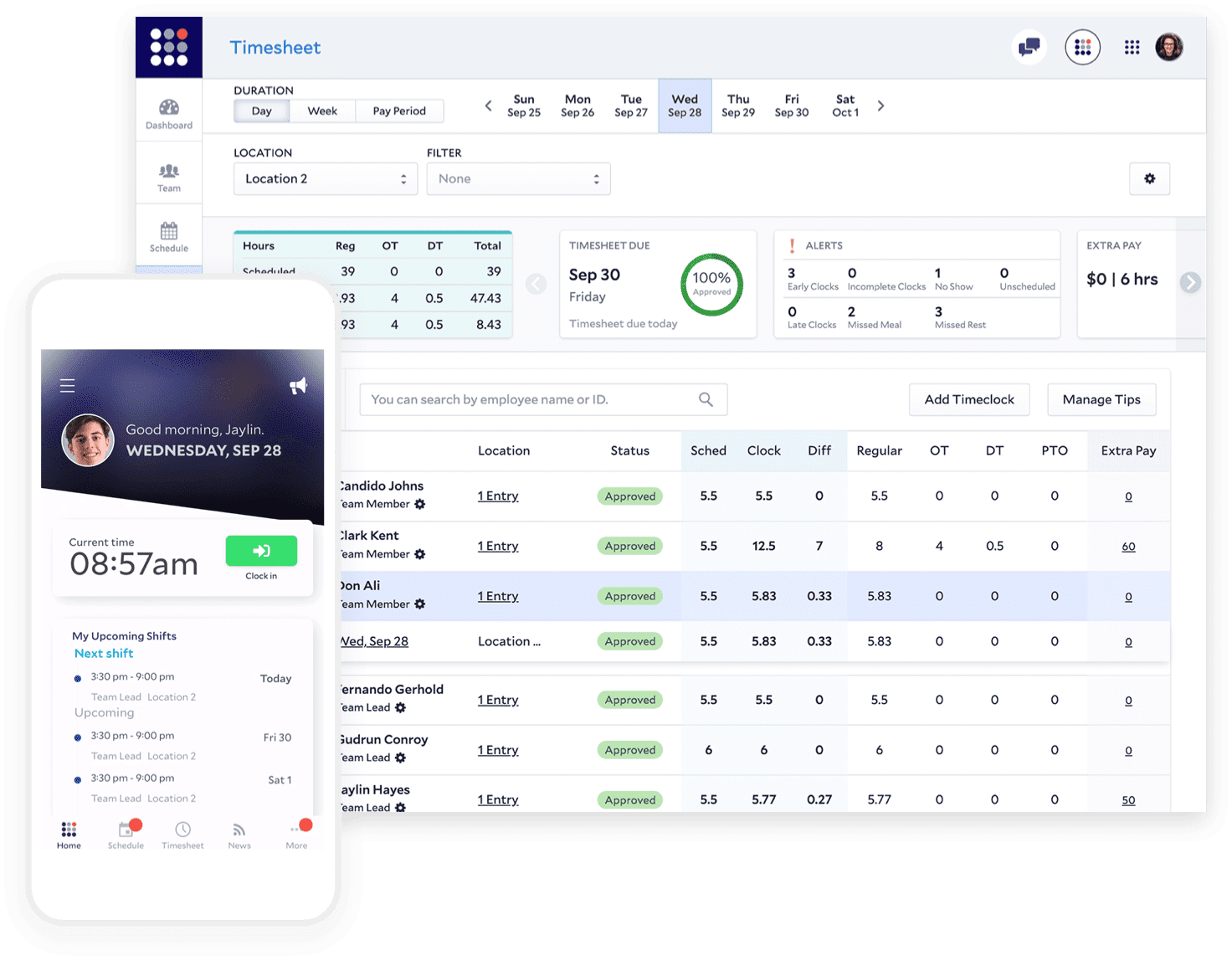
For Dollar General workers, Legion is not just another app icon. It is a scheduling tool built to let associates update work preferences and availability, get notified when schedules are ready, and receive targeted shift offers for open shifts and callouts. In a retail chain where a late truck, a busy weekend, or a wave of absences can scramble a store’s day, that kind of speed can matter as much as the schedule itself.
The practical question for associates is simple: how much control does it actually give you? Legion can make it easier to tell the store when you can work, when you cannot, and which shifts you are willing to pick up. It can also make schedule changes easier to see quickly, which helps when hours shift around school, childcare, a second job, or a long drive from a rural home. What it does not do is hand scheduling power over to workers. Managers still decide staffing levels, approve coverage, and set the labor plan.
How the app fits the workweek
Legion’s main value is communication. Instead of waiting for a phone call, text chain, or a printed schedule posted in the back room, workers can use the app to check when shifts are posted and respond to offers in real time. That matters most in stores where coverage is thin and one absence can ripple through the whole day, from opening tasks to freight to the last customer at close.
For associates, the upside is convenience and clarity. If your availability changes, you can update it in a few taps. If a manager needs someone for a callout, the system can send the offer to the people who are actually available. That does not guarantee the shift will be yours, but it does reduce the lag between the need and the response.
What workers can do in Legion
Legion’s mobile app is designed around a handful of everyday actions that directly affect a store associate’s week:
- Update work preferences and availability
- Get notified when schedules are ready
- Receive targeted shift offers for open shifts and callouts
- Review shifts and react faster to changes
Those are basic functions, but they are exactly the functions retail workers use most. If you are trying to avoid a closing shift after a morning class, or you need to keep one day open for childcare, the app is supposed to make that easier to communicate. If you want extra hours, it gives managers a cleaner way to find you.
Why this matters more at Dollar General scale
This is not a small workplace issue. Dollar General said it had 20,594 Dollar General, DG Market, DGX and pOpshelf stores across the United States and Mexico as of January 31, 2025, and its 2024 annual report listed 1,063 distribution centers and regional hub facilities. A company that large cannot rely on informal scheduling habits store by store and expect consistency. Legion is part of the infrastructure that helps keep those schedules moving.
That scale also explains why labor planning has become such a sensitive issue inside Dollar General. The company said in 2023 that it would invest nearly $100 million to increase labor hours for more than 170,000 store employees. That move tied staffing directly to store standards and the customer experience, which is another way of saying the schedule is not just an HR document. It shapes whether the store is able to stay stocked, open, and safe enough to function.
Dollar General’s history underlines the point. Founded in 1939, the company marked its 85th anniversary in 2024. A retailer that large and that old can still run on thin staffing if it chooses to, but the cost shows up in the daily life of workers: missed breaks, rushed recoveries, harder closes, and fewer people to absorb callouts.
The limits: software does not fix understaffing
Legion can streamline scheduling, but it cannot fix a store that is chronically short-handed. It can show who is available. It can help managers fill open time faster. It can reduce the back-and-forth that often eats into a manager’s shift. But it cannot create more hours out of thin air, and it cannot resolve the pressure that comes from trying to run a busy store with too few people.
That is why the limits matter as much as the features. If a store is understaffed, the app may simply make the shortage more visible and more efficiently managed. For workers, that can cut both ways. A cleaner system can mean faster access to extra hours, but it can also make it easier for management to call for coverage repeatedly, especially if a store is leaning on the same reliable associates over and over.
What the numbers say about the pressure behind scheduling
A 2025 Logile survey of 500 U.S. retail store associates found that 77% said their store regularly loses sales because of poor scheduling or staffing decisions. The same survey found that 31% of frontline workers were actively considering quitting because of poor scheduling or lack of hours. Those numbers help explain why scheduling software has become such a major issue in retail. It is not only about operational efficiency. It is about whether workers think the job is stable enough to stay in.
Legion says its optimized scheduling matches business needs with employee availability and preferences 96% of the time. It also says its scheduling tools can cut scheduling time by 50% and reduce compliance violations by 10%. For managers, that is a strong sales pitch: less manual work, fewer mistakes, and a better fit between labor demand and worker availability. For associates, the promise is simpler. Fewer errors, faster notices, and a schedule that reflects what you actually told the store you could work.
What Dollar General workers should watch for
If your store uses Legion, pay attention to how it is used in practice, not just how it is described. A scheduling app can only be as fair as the rules behind it. If the same people are always getting the extra shifts, or if availability changes are not reflected, the issue is not the software alone. It is how management is using it.
It is also worth remembering that a digital system can make scheduling feel more orderly without making it more humane. A cleaner app cannot replace enough hours on the floor, and it cannot erase the tension between labor budgets and what a store actually needs to run well. For Dollar General workers, Legion may improve the mechanics of scheduling, but the real test is whether those mechanics translate into steadier hours, clearer communication, and fewer last-minute scrambles. The app can speed up the process; it cannot decide whether the process is fair.
This article was produced by Prism’s automated news system from verified source data, official records, and press releases, then run through automated quality and moderation checks before publishing. The system is built and supervised by the people who set the standards it runs under. Read our full AI policy.
Know something we missed? Have a correction or additional information?
Submit a Tip