Dollar General's Project Elevate Upgrades Drive 3% Same-Store Sales Lift
A store upgrade program that cut Dollar General manager turnover by 375 basis points is coming to 2,250 locations in 2026. Here's what the reset looks like from inside the store.

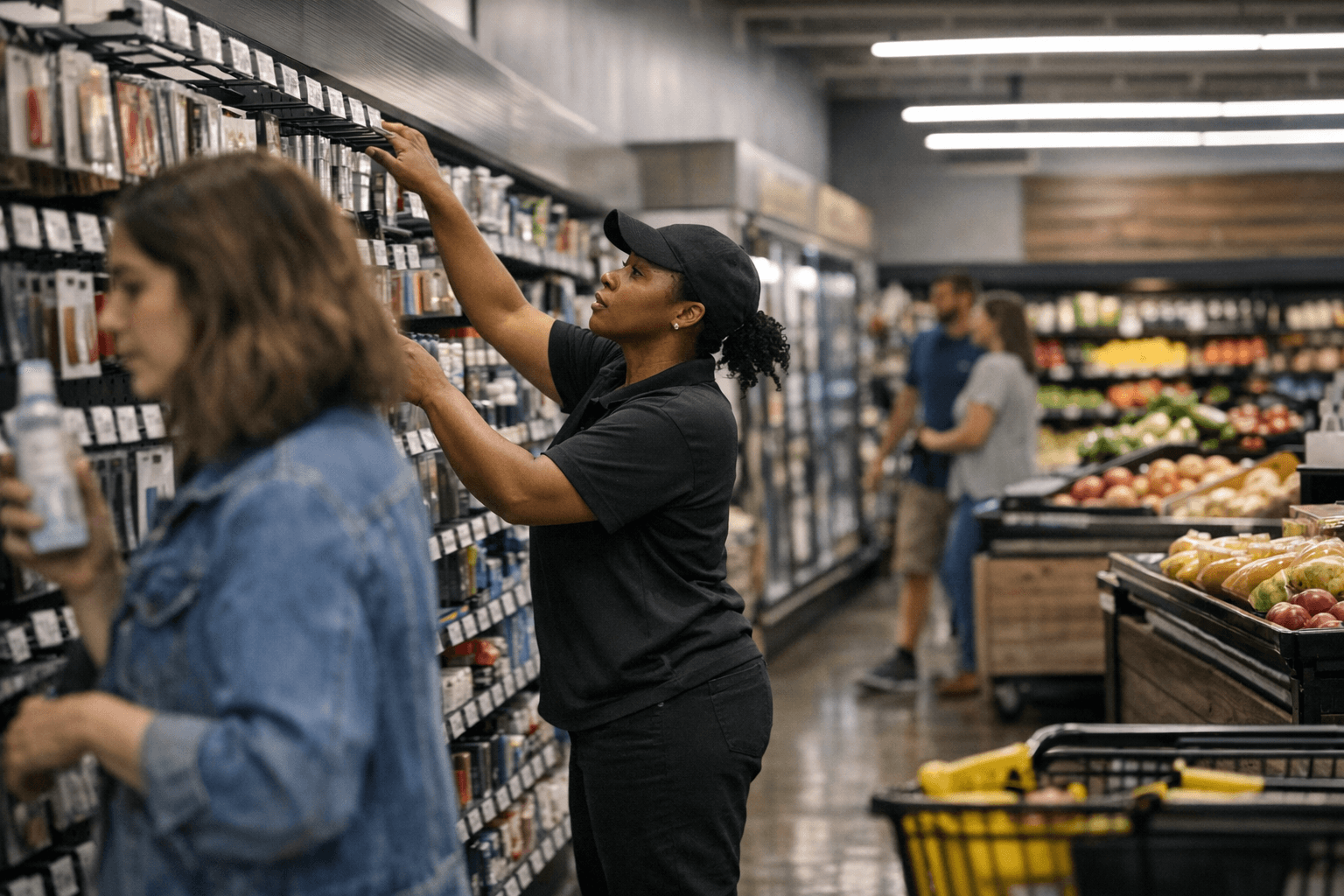
The most immediate consequence of Project Elevate reaching your store is not the sales lift. It is the week before, when your backroom staging area fills with new fixtures, facing materials, and signage rolls while regular stocking and customer flow continue around them.
Dollar General's Project Elevate initiative produced roughly a 3% same-store sales increase at locations where upgrades were completed, according to a Zacks Equity Research analysis published March 30. With management targeting approximately 2,250 Project Elevate upgrades in fiscal 2026, and a longer-term goal of extending elements of the program to as many as 80% of the company's nearly 21,000 stores, that activity is concentrated and continuous, not episodic.
Project Elevate is not a full remodel. It is a set of targeted physical improvements for stores that are functional but not optimized: layout simplification, updated product adjacencies so complementary items are grouped together, fixture replacements in specific sections, and revised planogram standards that affect how products are faced and signed. A full gut remodel shuts aisles for days; Project Elevate is designed to be lower-cost and faster. But lower-disruption is not the same as no disruption. Vendor crews still need access to sections during your operating hours. Stock needs a temporary home while a bay gets reset. Old fixtures need removal before new ones can be installed.
The sequence typically runs in phases. First comes pre-work: planogram review, before-state photography, and confirmation of which adjacencies are changing. Then the reset execution window, when vendor crews and store associates remerchandise affected sections and swap fixtures. That is followed by a post-reset verification window, which requires documentation photos and a facing audit before the work is closed out. Then comes the sustained maintenance phase, where the store team holds the new layout against updated compliance standards on every subsequent visit.
For hourly associates, that sequence means additional physical work in short bursts: clearing product to open sections for crews, learning new facing counts and signage standards, and then maintaining tighter organizational standards going forward. For store managers and assistant store managers, the administrative load concentrates around the reset window itself, and preparation is the variable that determines whether it goes smoothly.
Before the crew arrives, store managers should clear staging lanes in the backroom so incoming vendor merchandise has a landing zone that does not block receiving doors or safety egress routes. Pull current planograms and flag the sections scheduled for adjacency changes. Those areas will likely need temporary out-of-stock management during the reset, and customers will ask. Brief the hourly team on the timeline: a period of elevated activity, specific sections with restricted access during crew work, and new facing rules that go into effect the day after the reset closes. Build a communication template before reset week, not during it. Post-reset photo submissions to the district should be part of the checklist, not an afterthought.
The retention data from fiscal 2025 makes the investment logic clear for managers. Store manager turnover dropped 375 basis points at Project Elevate locations, a meaningful figure in a retail environment where management churn consistently undermines store performance and associate stability. Cleaner layouts and rationalized product adjacencies appear to reduce the operational chaos that pushes managers out.
Dollar General posted a 4.3% same-store sales gain in the fourth quarter of fiscal 2025, and CEO Todd Vasos has pointed to store upgrade initiatives as a driver of that momentum. At 80% store coverage, Project Elevate will reach more than 16,000 locations, making it a fixture of the Dollar General work calendar for the foreseeable future.
Here is the formatted final output:
SUMMARY: A store upgrade program that cut Dollar General manager turnover by 375 basis points is coming to 2,250 locations in 2026. Here's what the reset looks like from inside the store.
CONTENT:
The most immediate consequence of Project Elevate reaching your store is not the sales lift. It is the week before, when your backroom staging area fills with new fixtures, facing materials, and signage rolls while regular stocking and customer flow continue around them.
Dollar General's Project Elevate initiative produced roughly a 3% same-store sales increase at locations where upgrades were completed, according to a Zacks Equity Research analysis published March 30. With management targeting approximately 2,250 Project Elevate upgrades in fiscal 2026, and a longer-term goal of extending elements of the program to as many as 80% of the company's nearly 21,000 stores, that activity is concentrated and continuous.
Project Elevate is not a full remodel. It is a set of targeted physical improvements for stores that are functional but not yet optimized: layout simplification, updated product adjacencies so complementary items are grouped together, fixture replacements in specific sections, and revised planogram standards that govern how products are faced and signed. A full gut remodel can shut aisles for days; Project Elevate is designed to be lower-cost and faster. But lower-disruption is not the same as no disruption. Vendor crews still need access to sections during operating hours. Stock needs a temporary home while a bay gets reset. Old fixtures have to come out before new ones go in.
The sequence runs in recognizable phases. Pre-work comes first: planogram review, before-state photography, and confirmation of which adjacencies are changing. Then the reset execution window begins, when vendor crews and store associates remerchandise affected sections and install new fixtures. A post-reset verification period follows, requiring documentation photos and a facing audit before the project is signed off. After that, the store team enters a sustained maintenance phase, holding the new layout to updated compliance standards on every subsequent inspection.
For hourly associates, that sequence means additional physical work in short bursts: clearing product to open sections for crews, learning new facing counts and signage rules, and then sustaining tighter organizational standards once the vendors are gone. For store managers and assistant store managers, the administrative load concentrates in the days around the reset, and preparation is the variable that determines whether it stays manageable.
Before the crew arrives, clear staging lanes in the backroom so incoming vendor merchandise has a landing zone that does not block receiving doors or fire egress routes. Pull current planograms and flag the sections scheduled for adjacency changes, because those areas will need temporary out-of-stock management and associates should expect customer questions. Brief the hourly team on the timeline before reset week, not during it, covering what sections will have restricted access, when normal operations resume, and what the new facing rules require going forward. District leaders should have cross-cover plans in place so single-associate shifts are not left unsupported during vendor visits. Post-reset photo documentation to the district should be on the pre-reset checklist, not treated as an afterthought on the last day.
The retention data makes the investment case for managers on a personal level. Store manager turnover dropped 375 basis points at Project Elevate locations during fiscal 2025. In retail, where management churn consistently drags on store performance and associate stability, that is a significant signal: cleaner layouts and rationalized adjacencies appear to reduce the grinding disorganization that pushes managers out.
Dollar General posted a 4.3% same-store sales gain in the fourth quarter of fiscal 2025, and CEO Todd Vasos has cited store upgrade initiatives as a driver of that momentum. At 80% store coverage, Project Elevate would reach more than 16,000 locations. For store teams, that means this is not a one-cycle event; it is a program that will shape the Dollar General workday for years.
This article was produced by Prism’s automated news system from verified source data, official records, and press releases, then run through automated quality and moderation checks before publishing. The system is built and supervised by the people who set the standards it runs under. Read our full AI policy.
Did this article answer your question?