Employer Groups Petition NLRB to Protect Secret-Ballot Elections, Clarify Remedies
Employer groups petitioned the NLRB on March 12 to codify rules limiting bargaining orders and reaffirming workers' right to secret-ballot union elections.
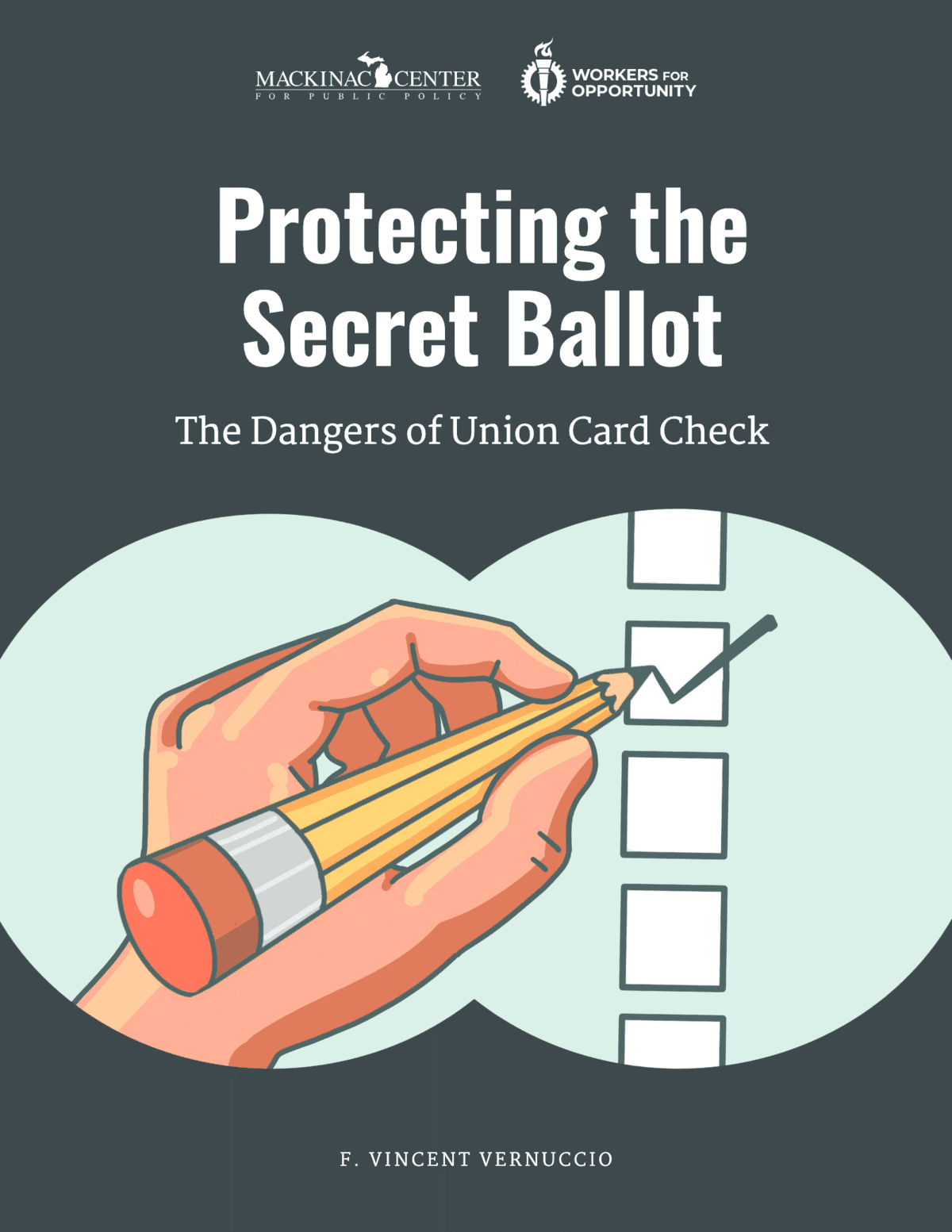
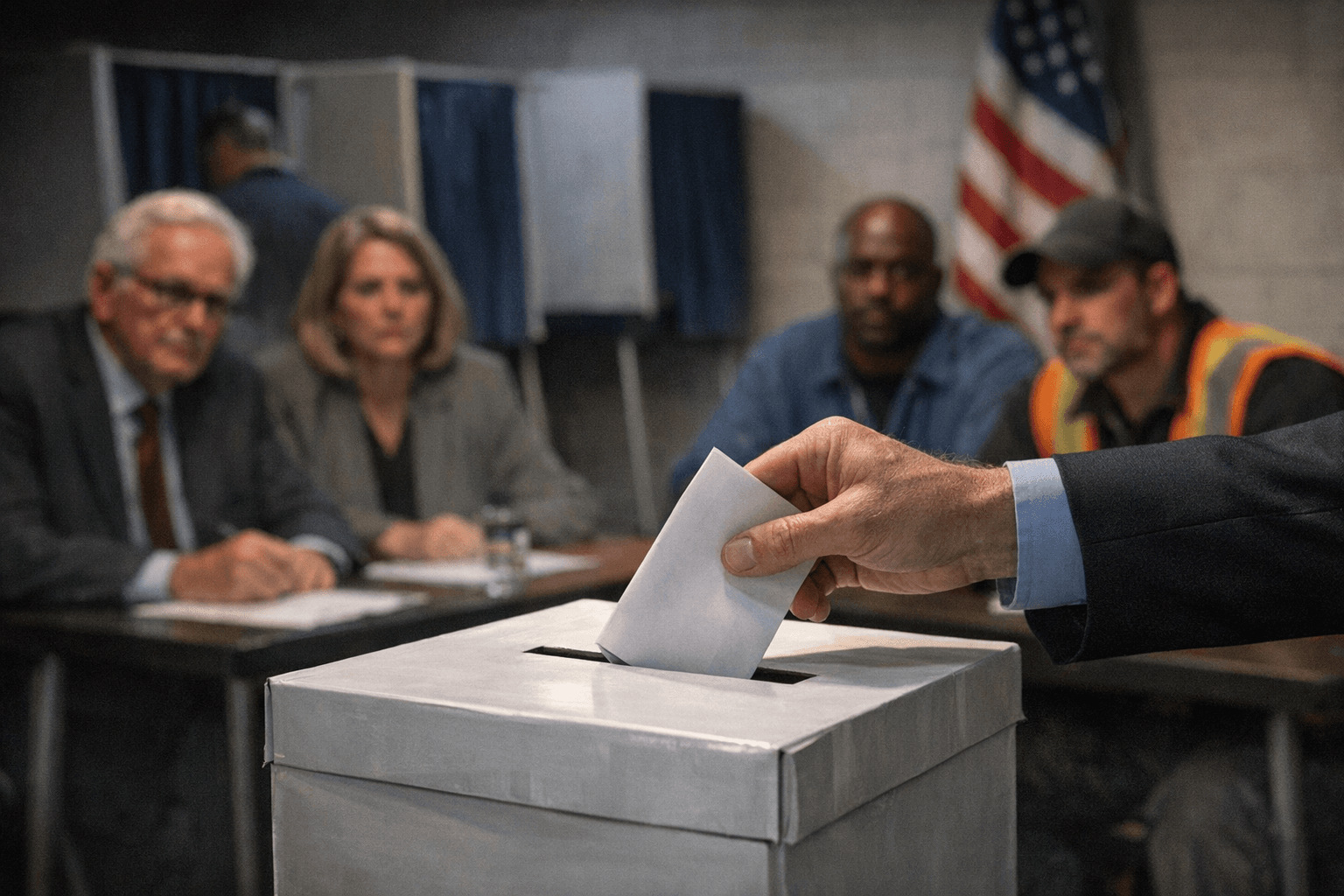
Employer and industry groups filed formal petitions with the National Labor Relations Board on March 12, asking the agency to begin rulemaking that would constrain how and when it can issue bargaining orders and reinforce the primacy of secret-ballot elections in union organizing campaigns.
The petitions ask the NLRB to promulgate a rule that would "eliminate current confusion and inconsistency and specify the circumstances under which the Board may, consistent with Gissel, exercise its remedial discretion to issue and seek enforcement of a bargaining order, reaffirming the Act's preference for secret-ballot-elections." The Gissel standard, drawn from a landmark Supreme Court precedent, already limits bargaining orders to situations involving serious unfair labor practices, but petitioners argue the Board's application of that standard has been inconsistent enough to warrant a formal rule.
Beyond clarifying Gissel, petitioners frame the proposed rulemaking in worker-rights language, arguing the rule would "promote predictability, protect employee free speech, and confine bargaining orders to their proper remedial function." The employer-speech dimension is significant: the petitions also address the legal standards governing what companies can say during organizing drives, a perennial flashpoint in labor law.
The March 12 filings are the second wave of employer-side rulemaking petitions in as many months. Industry groups filed a separate petition, on February 11, urging the NLRB to adopt a rule codifying how it determines independent contractor status under the National Labor Relations Act. That petition argued the Board should restore the common-law test established in its SuperShuttle decision, which the petitioners said would better align with judicial precedent and the current administration's policy direction.
Together, the two rounds of petitions reflect a coordinated strategy: use the rulemaking process to lock in employer-friendly legal standards while the current administration is in place. Rulemaking, unlike case-by-case adjudication, produces durable regulations that are harder for a future Board to reverse without going through the full notice-and-comment process again.
The NLRB has not publicly responded to the March 12 petitions, and no union or worker-advocacy groups had issued statements at the time of publication. Separately, Littler's Workplace Policy Institute noted in its Policy Week in Review that the NLRB declined to overrule Ex-Cell-O, a longstanding doctrine limiting make-whole remedies in bargaining cases, though details of that decision were not immediately available.
For Dollar General and other large employers that regularly navigate union campaigns, the outcome of these petitions could meaningfully shift the legal terrain around organizing. A formal rule cabining bargaining orders would reduce the risk that an election loss or unfair labor practice finding results in mandatory recognition without a vote, a remedy the employer side has long viewed as disproportionate.
Know something we missed? Have a correction or additional information?
Submit a Tip