Fortune 500 firms track AI use, signaling tighter workplace monitoring
Fortune 500 firms are already tracking AI use by role and worker, and Dollar General’s new AI chief shows that monitoring is moving into stores, schedules and productivity reviews.

AI is no longer just a chatbot problem. At many Fortune 500 companies, it is becoming something managers can measure, log and watch by group, role or even individual worker, which shifts the issue from experimentation to workplace oversight.
For Dollar General employees, that matters because the retailer has already started organizing AI around core operations. On Nov. 4, 2025, Dollar General created a senior vice president of artificial intelligence optimization role and named Travis Nixon, a former Dropbox, Meta and Microsoft leader, to it. The company said Nixon would lead AI use across merchandising, supply chain and store operations, and executive vice president Steve Deckard said the goal was to streamline operations and improve the experience for employees and customers.
That is a significant move for a company built on scale. Dollar General said in its 2024 annual report that it operated 20,594 Dollar General, DG Market, DGX and pOpshelf stores as of Jan. 31, 2025, along with 1,063 distribution centers and related facilities. The company, founded in 1939 and based in Goodlettsville, Tennessee, reported fiscal 2024 net sales of $40.6 billion. When a retailer that large starts tying AI to everyday operations, small changes in software can ripple through store staffing, backroom work and district-level oversight.
The practical question for store teams is not whether AI exists, but what it is watching. In a Dollar General setting, AI can affect scheduling, candidate screening, internal messaging, fraud detection and customer support. If a company is tracking AI use at the role or individual level, workers should assume the systems behind those tools may be visible and auditable too. That raises basic accountability questions: what exactly is being tracked, who can see the data, and how long the records are kept.
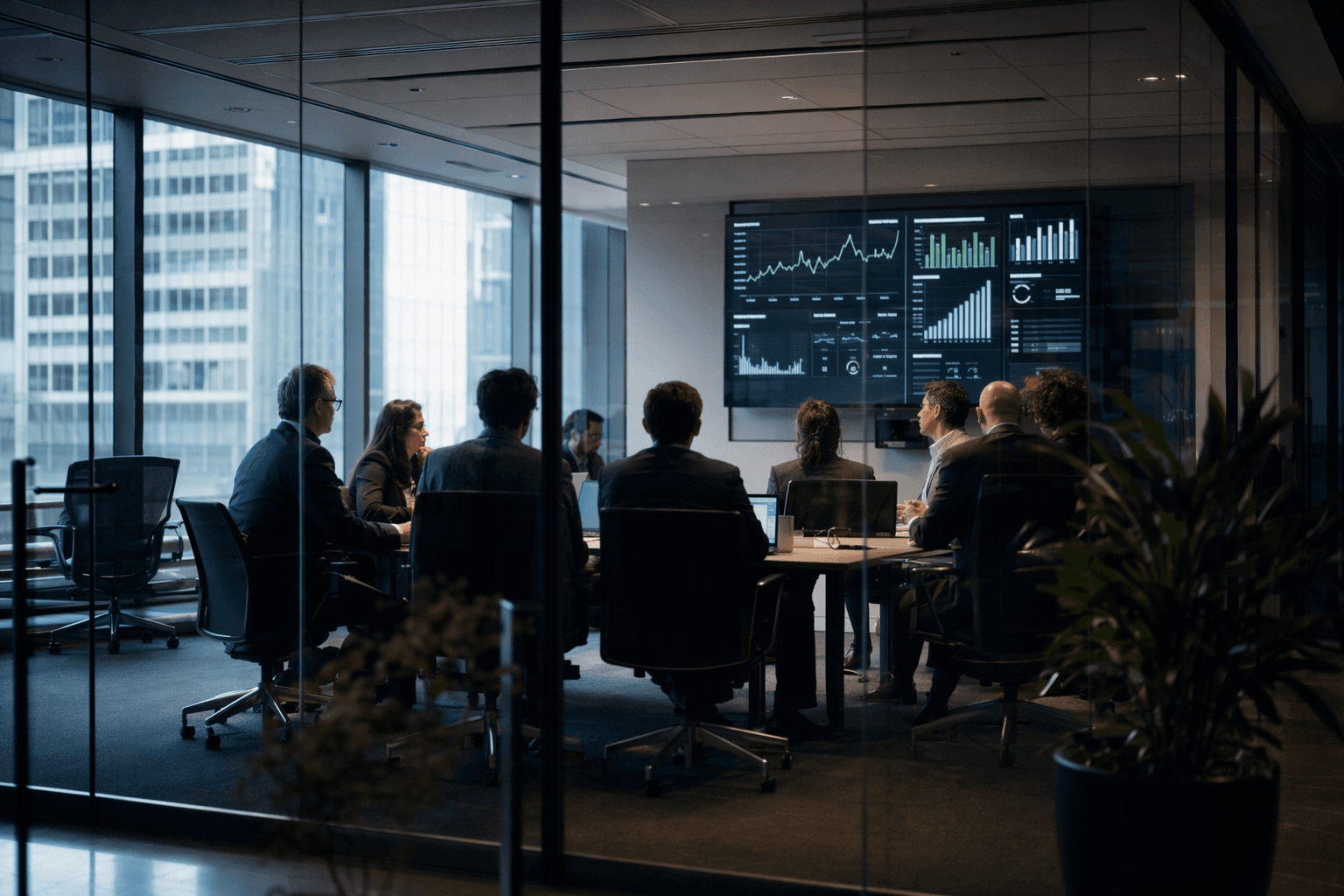
Those questions matter in a business where managers already run lean. In a single-associate store or a district stretched by understaffing, AI tools can quickly become part of how labor plans are built, how productivity is reviewed and how callouts are recorded. If a manager relies on a new scheduling system or task manager, the worker-facing result may feel less like automation and more like a new layer of surveillance.
The broader numbers show why employers are pushing harder. McKinsey’s 2025 State of AI survey found 64% of respondents said AI is enabling innovation, but only 39% reported enterprise-level earnings impact. Pew Research Center found 52% of U.S. workers were worried about the future impact of AI in the workplace. That gap helps explain the pressure on companies to prove value while tightening oversight.
Dollar General’s privacy policies also show the data infrastructure already exists. Its consumer privacy policy says the company uses third parties for certain services and collects, uses and shares personal information in connection with those services. Its California HR privacy policy covers employee, contractor and applicant information. Taken together, that makes the next phase of AI less about shiny new tools and more about who is being measured, how closely and for how long.
This article was produced by Prism’s automated news system from verified source data, official records, and press releases, then run through automated quality and moderation checks before publishing. The system is built and supervised by the people who set the standards it runs under. Read our full AI policy.
Did this article answer your question?