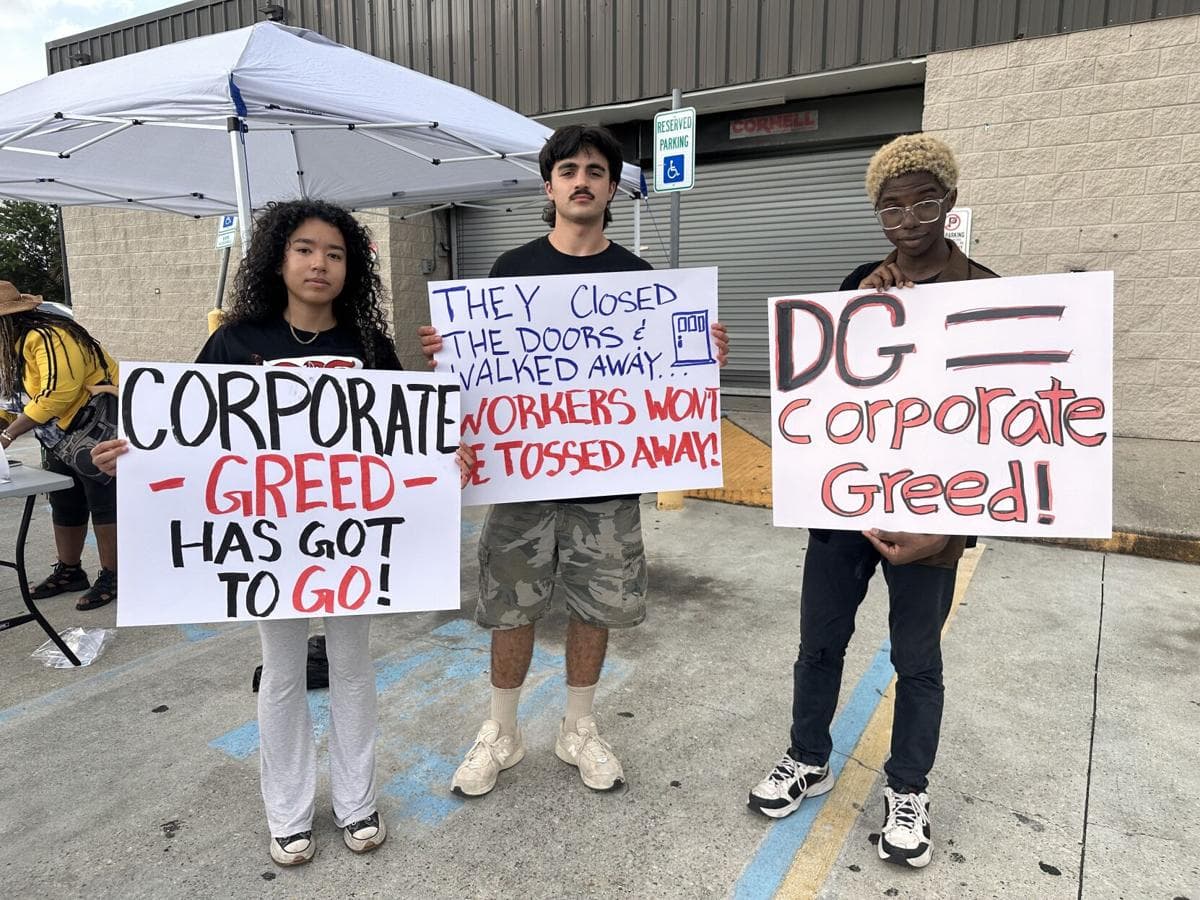
Guide Explains Dollar General Workers' Rights to Organize and File NLRB Charges
Dollar General employees have federal protections to organize and complain about pay, schedules or discipline, and may file unfair-labor-practice charges with the NLRB within six months.
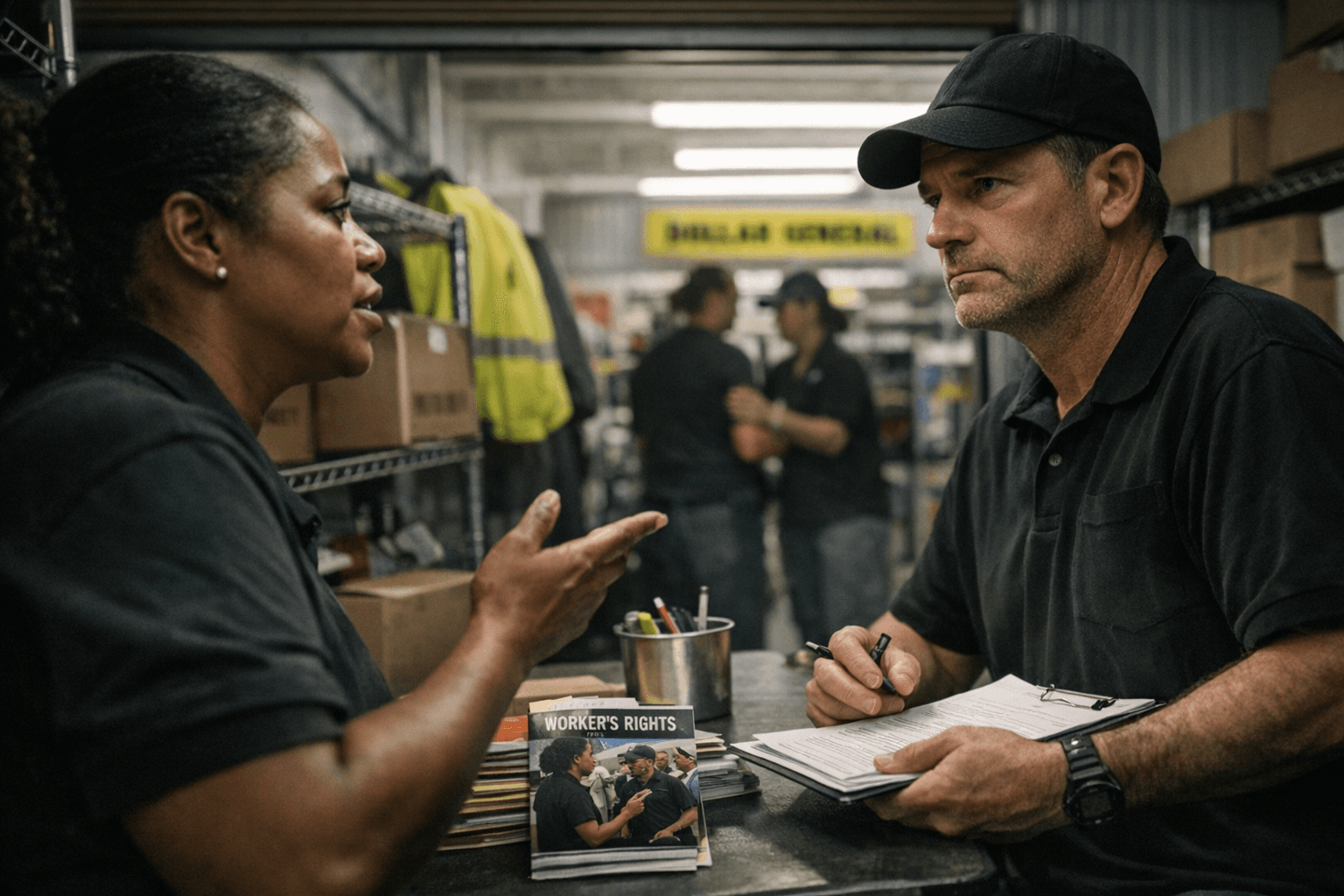
Dollar General employees who band together to improve wages, schedules or working conditions are protected by the National Labor Relations Board whether or not they form a union. Federal rules cover “protected concerted activity” and make it unlawful for an employer to retaliate by firing, demoting, reducing hours or wages, or otherwise punishing workers for organizing or for filing a charge.
Workers who believe they faced unfair labor practices have several paths to seek relief. Employees can call the NLRB’s hotline, visit a local field office, or file a charge online. Most charges must be filed within six months of the alleged unlawful act; missing that window can bar federal remedies. The NLRB’s process can result in remedies such as back pay and reinstatement when officials find an employer violated the law. The agency also explains how to request information confidentially during an investigation.
Common scenarios relevant to Dollar General employees include scheduling retaliation after raising concerns about shifts, discipline for organizing or talking about conditions, and captive-audience meetings where management pressures workers about union activity. Those actions can rise to the level of unfair labor practices if they chill or punish employees for acting together to improve workplace terms. Filing a charge starts a formal process that can lead to bargaining orders, reinstatement, or corrective measures overseen by the NLRB.
For plain-English help and additional federal contact options, Worker.gov and the Department of Labor maintain step-by-step pages and phone contacts aimed at employees seeking immediate assistance. Use those resources to learn specific filing steps, confirm deadlines, and find the nearest NLRB field office if you prefer in-person help.
Practical steps for employees: document dates and details of incidents, keep copies of schedules, messages, performance notes or discipline write-ups, and note witnesses. If you plan to speak with a federal agency, prepare the timeline and evidence so investigators can assess the complaint quickly. Remember that asking for help, discussing terms and conditions of work with coworkers, and filing a charge are all actions the law protects.
For Dollar General workers weighing whether to organize or to report retaliation, these federal avenues provide concrete options for accountability and remedies. Acting promptly, preserving records, and using NLRB and Department of Labor contacts can help workers move a complaint forward and protect their rights on the job.
This article was produced by Prism’s automated news system from verified source data, official records, and press releases, then run through automated quality and moderation checks before publishing. The system is built and supervised by the people who set the standards it runs under. Read our full AI policy.
Did this article answer your question?