Hourly Dollar General Workers Report Chronic Understaffing, Unpaid Hours and Equipment Failures
An hourly Dollar General worker reported chronic understaffing, unpaid hours and recurring equipment failures, raising fatigue, morale and safety concerns for frontline employees.
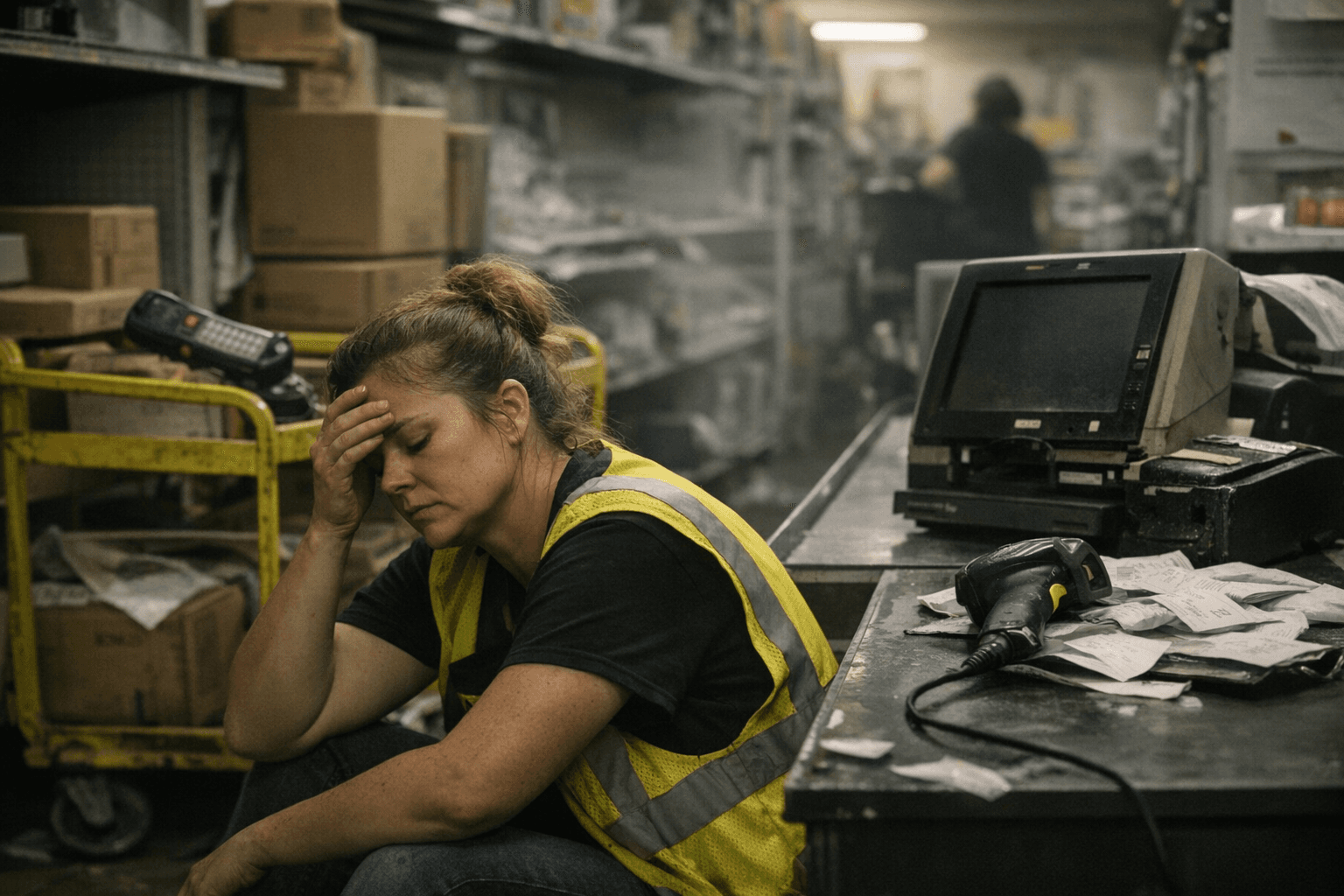
An hourly Dollar General worker posted on Jan. 21 that understaffing and broken equipment are compounding long shifts and unpaid labor on the sales floor and in the backroom. The original poster said they routinely worked nine-hour stretches before clocking in for five paid hours and described heavy frozen-truck receiving with inadequate staffing and managers who were not prioritizing operational work.
Replies on the same thread provided multiple first-person accounts corroborating the post. Several commenters described chronic understaffing during peak receiving windows, frequent after-hours truck pulls, and persistent freezer and equipment breakdowns that slow down restocking and create extra manual labor. Workers said scheduled staffing did not match the volume of expected tasks, leaving register coverage and customer service thin while employees worked to unload pallets, break down cases and re-freeze perishable inventory.
The pattern workers described has practical consequences for workplace safety and morale. Fatigue from long unpaid stretches and repeated overtime contributed to slower stocking, higher error rates on pricing and inventory, and near-misses while moving heavy frozen pallets in stores with limited staff. Multiple accounts tied ongoing equipment failures to longer customer wait times and extra lifting, suggesting physical strain risks for associates and added pressure on employees expected to finish backroom work on top of floor duties.
Workers also pointed to managerial choices that prioritize short-term tasks over fundamental operations. The thread accused some managers of failing to address broken freezers and other maintenance quickly enough and of not scheduling sufficient coverage for busy receiving periods. That dynamic left hourly associates handling maintenance-related disruptions in addition to their regular job duties.
These reports underscore ongoing friction between scheduling practices and operational realities at the store level. Frequent after-hours receiving shifts can push paid hours out of sync with actual time worked when employees clock in late or managers alter schedules to meet immediate needs. For hourly workers, that mismatch translates into unpaid labor and loss of income, as well as diminished trust in local leadership.
For frontline workers, the immediate steps are practical: document hours worked and incidents of equipment failure, report recurring problems to store leadership and human resources, and keep records of schedules and receiving logs. For employers, persistent accounts like these point to staffing models and maintenance protocols that may need review to reduce safety risks and improve morale.
This thread is one more indication that staffing, scheduling and equipment reliability remain central to day-to-day work at discount retailers. For employees, the stakes are clear: better staffing and functioning freezers mean safer shifts, accurate inventory and pay that matches time on the floor.
Know something we missed? Have a correction or additional information?
Submit a Tip