May Day rallies spotlight Dollar General workers’ pay and scheduling pressures
May Day reminders about wages landed close to home for Dollar General workers, where pay, hours and safety still shape whether a paycheck lasts the week.
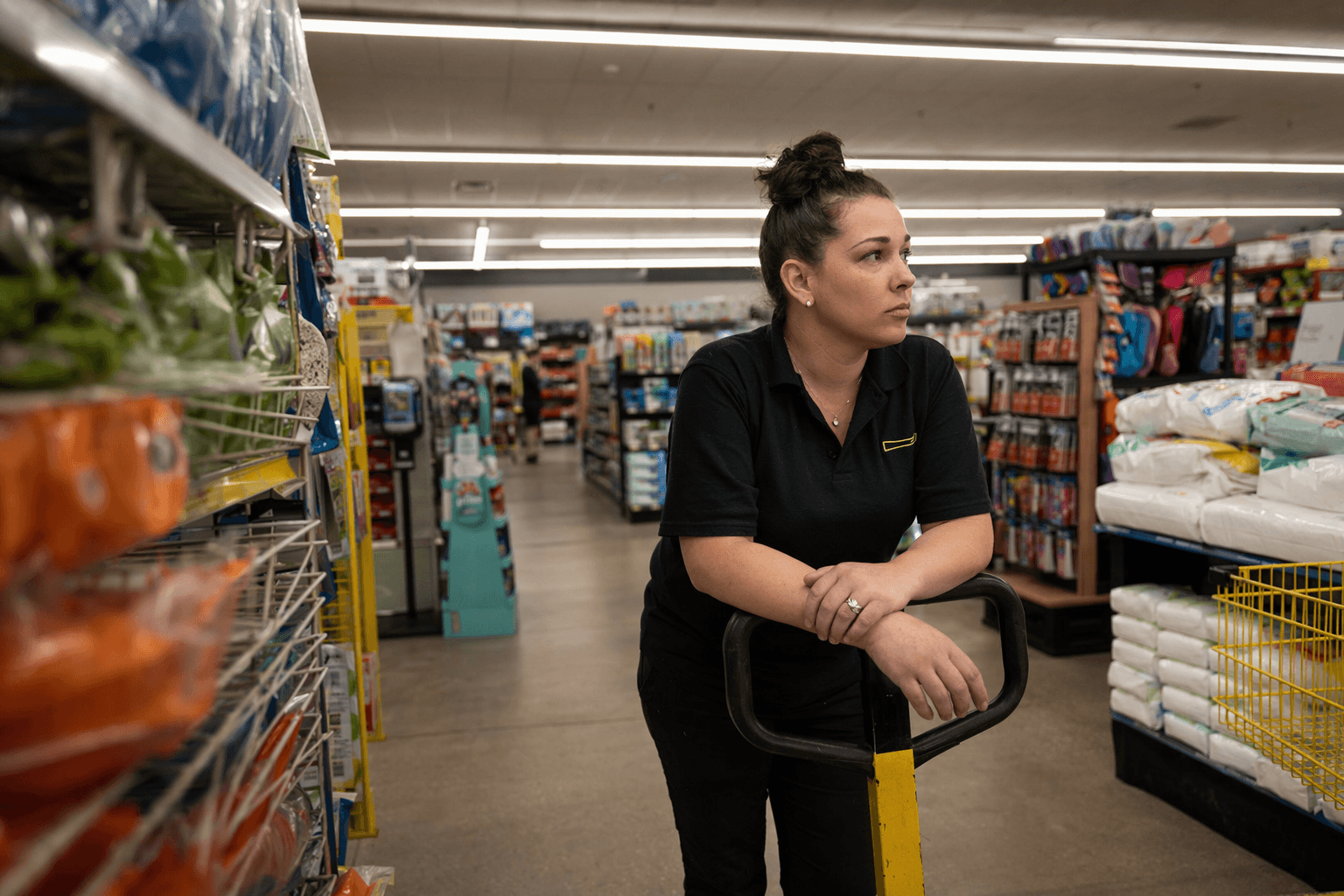
Dollar General workers have spent years saying the same thing in different ways: the job has to cover rent, groceries and gas, and unpredictable hours make that harder. May Day put that pressure back in the spotlight, but the issue at Dollar General is less about rallies than the daily math of whether a discount-store paycheck can keep up with the cost of living.
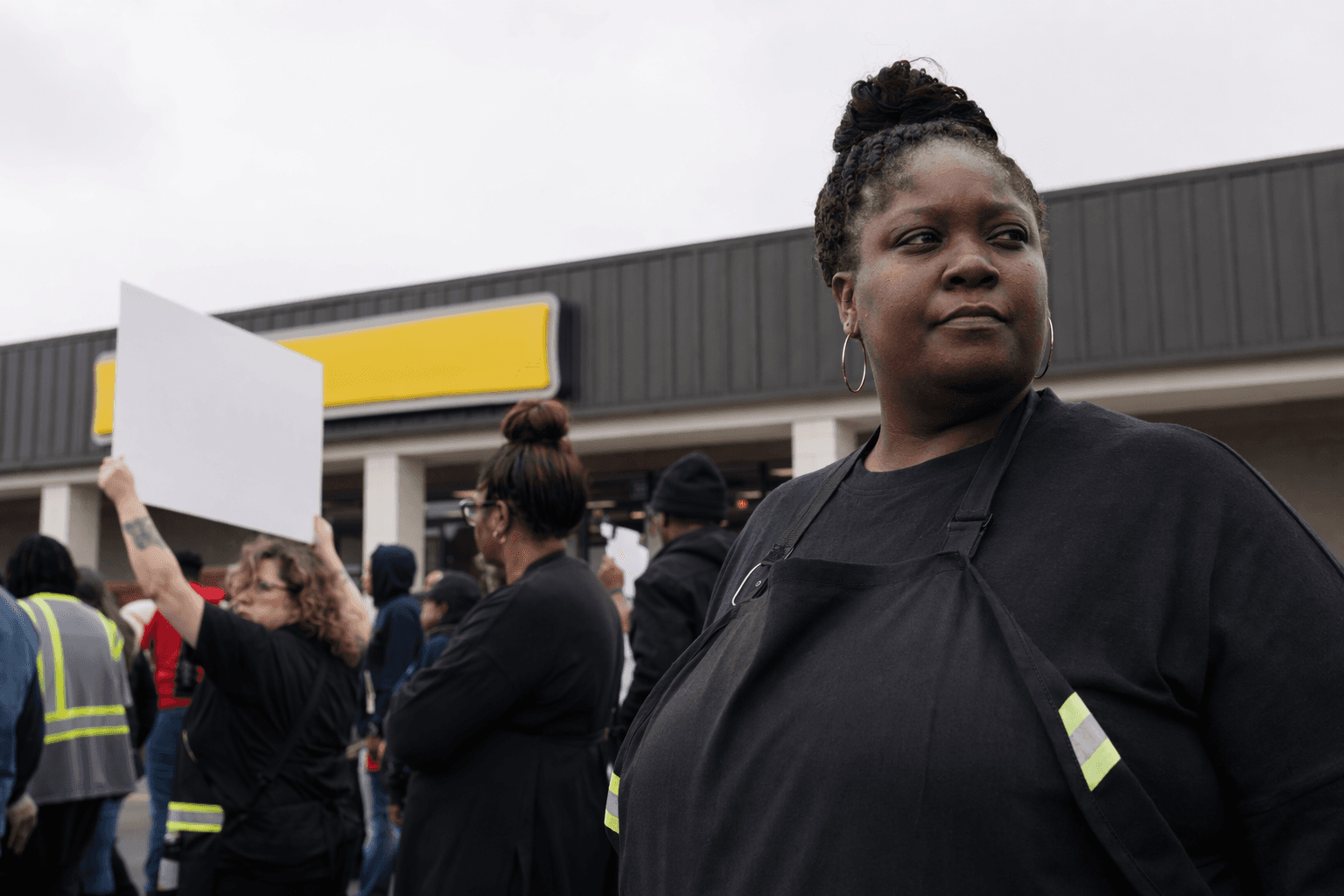
Around the world, May 1 brought calls for higher wages, better working conditions and relief from rising costs. For Dollar General employees, that broader labor mood fits a familiar store-level reality. Wages, scheduling and staffing are not abstract complaints in a chain built around lean labor. They are the difference between a stable week and one where a missed shift or short schedule throws off the household budget.
The company’s labor tensions have already shown up in hard numbers. In July 2024, the Occupational Safety and Health Administration announced a corporate-wide settlement with Dollar General that carried a $12 million penalty and required broad safety changes. The agreement called for more safety managers, a safety and health committee, better training and faster correction of hazards, generally within 48 hours. Federal regulators were responding to violations that included blocked exits, fire extinguisher problems and unsafe material storage.
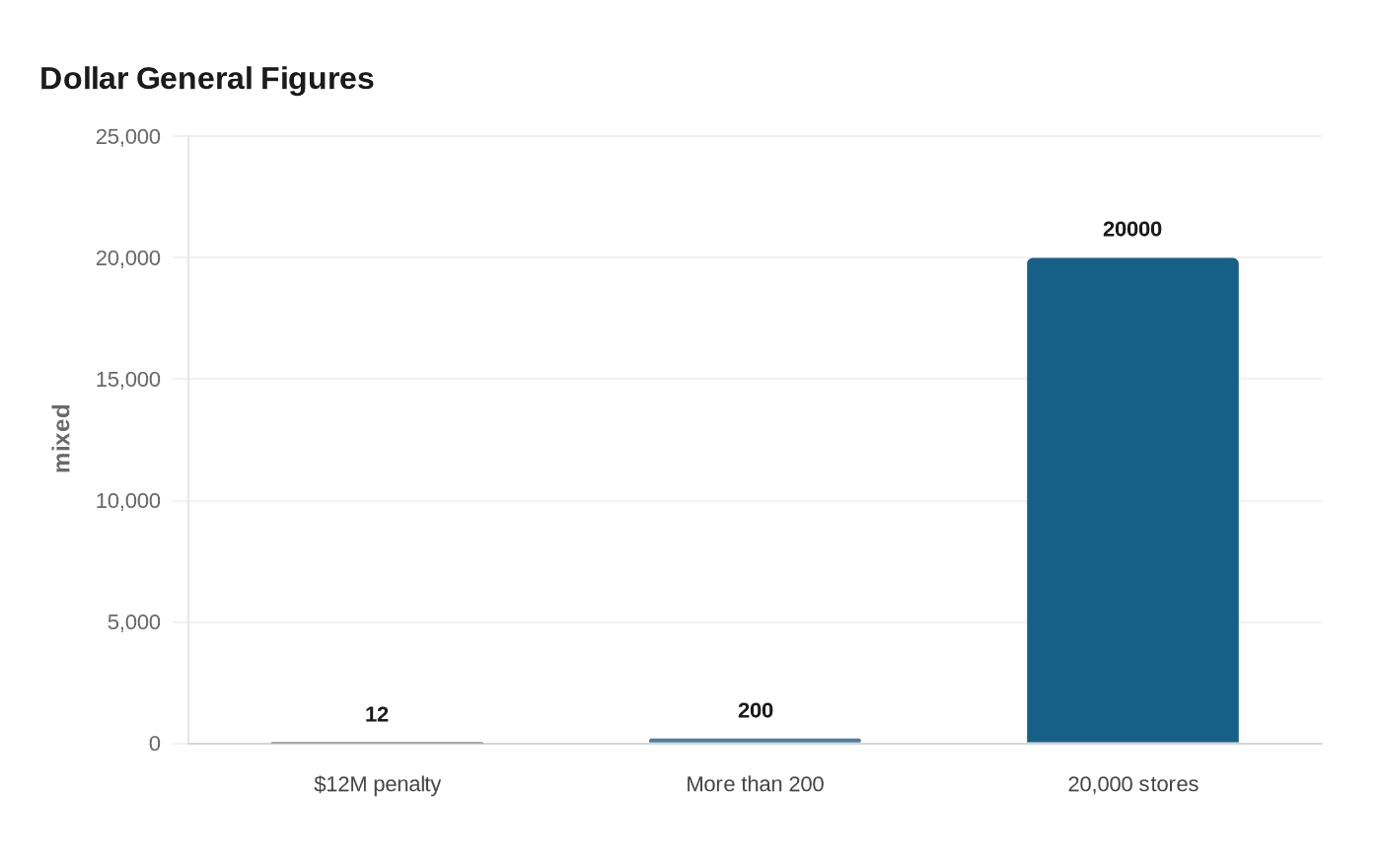
That safety case did not emerge in isolation. In May 2023, Dollar General shareholders approved a resolution calling for an independent audit of worker safety and well-being. Two years later, workers and advocates were back at the company’s annual shareholder meeting in Goodlettsville, Tennessee, pressing for safer stores and a human-rights policy that included a living wage. Step Up Louisiana said more than 200 workers and customers joined that protest, and its proxy request argued that wages and basic workplace conditions should be treated together, not as separate issues.
That framing matters because Dollar General is not a niche employer. Worker-organizing coverage has described the chain as operating about 20,000 stores across the country, with outsized importance in small towns and poor urban neighborhoods where shoppers and workers may have few other nearby options. That reach means a scheduling problem or a safety lapse in one store can echo in communities that already have limited choices.
For Dollar General employees, the debate over pay keeps returning because the stakes are immediate. A store job is supposed to be a weekly paycheck. At Dollar General, workers are still asking whether that paycheck is enough to live on, and whether the store itself is safe enough to keep showing up for.
This article was produced by Prism’s automated news system from verified source data, official records, and press releases, then run through automated quality and moderation checks before publishing. The system is built and supervised by the people who set the standards it runs under. Read our full AI policy.
Did this article answer your question?