New York Fed Study Finds Gas Prices Squeeze Dollar General Shoppers
Higher gas bills are pushing Dollar General shoppers to buy less, trim trips and chase cheaper items, while Dollar General already expects fuel spikes to hurt traffic and sales.

Gas prices are already changing what Dollar General customers put in the basket, and a New York Fed analysis suggests the pressure lands first on lower-income shoppers who live closest to the chain’s core base. The Federal Reserve Bank of New York said March 2026 energy prices jumped to a four-year high after the Iranian closure of the Strait of Hormuz amid the Middle East conflict, and the impact showed up quickly in gasoline spending.
Using a panel of 200,000 Numerator respondents, the New York Fed found that households earning under $40,000 a year cut real gasoline consumption in March even as nominal spending rose sharply. Higher-income households, by contrast, posted the biggest increase in nominal gasoline spending and kept real gasoline consumption essentially unchanged. The bank said the pattern echoed the 2022 Russia-Ukraine energy shock, but the gap between income groups was larger this time.
For Dollar General workers, that matters because fuel costs rarely stay confined to the pump. When gas takes a bigger bite out of a household budget, shoppers often respond by buying fewer discretionary items, cutting trip frequency, switching to smaller pack sizes or postponing stock-up runs until the next paycheck. On the sales floor, that can mean more price checks, more requests for the cheapest version in a category and more substitutions in baskets that used to be fuller. It can also mean traffic looks steady enough on paper while the mix inside the store gets thinner.
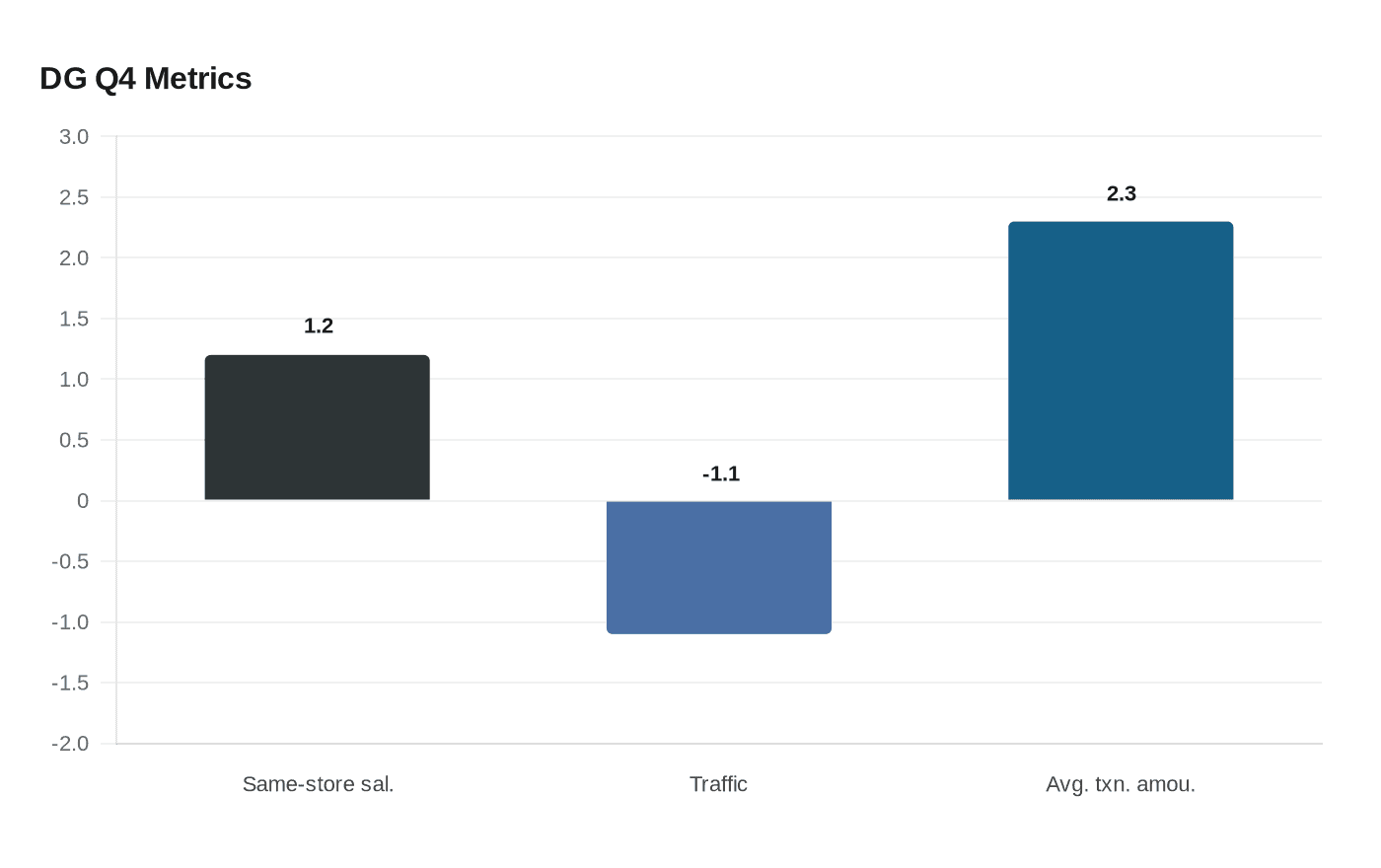
Dollar General has long said its customers range from fill-in shoppers to weekly and more frequent trips for essentials, and the company’s 2025 Form 10-K warned that increases in fuel or other energy prices can affect consumer shopping patterns, keep customers from reaching stores and lead to lost sales and higher markdowns. That warning fits the company’s recent results: in fiscal 2024, fourth-quarter same-store sales rose 1.2%, but customer traffic fell 1.1% while average transaction amount increased 2.3%. In other words, the register can tell one story while the parking lot tells another.
The strain does not stop with shoppers. Higher commuting costs can also ripple through Dollar General’s hourly workforce, especially in rural markets where employees often drive longer distances to work. Fuel prices can affect attendance, retention and whether workers pick up extra shifts. Dollar General told investors in March 2025 that it was not expecting improvement in the macro environment for its core customer and that shoppers want value and convenience more than ever. For store teams, the message is simple: watch basket behavior, not just traffic, because gas prices can quietly reshape the pace of the entire store.
This article was produced by Prism’s automated news system from verified source data, official records, and press releases, then run through automated quality and moderation checks before publishing. The system is built and supervised by the people who set the standards it runs under. Read our full AI policy.
Did this article answer your question?