NLRB Enforcement Shifts Could Affect Dollar General Workers Filing Charges
Dollar General carried 13 open NLRB charges as of last year. A new general counsel memo now sets a two-week evidence window that decides whether new cases advance.
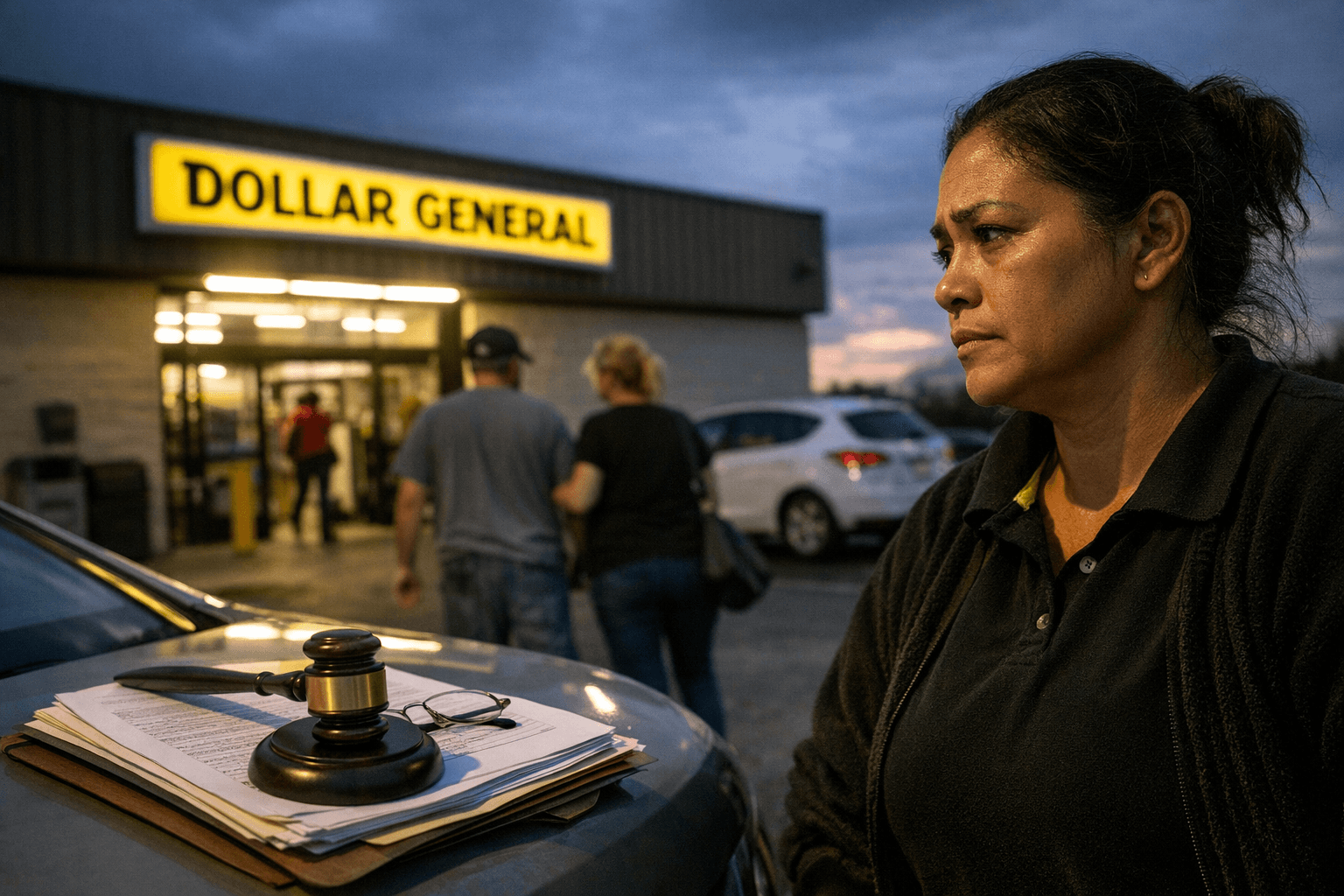
Dollar General carried at least 13 open unfair labor practice charges as recently as April 2025, according to a shareholder resolution filed with the company that year. NLRB General Counsel Crystal S. Carey issued GC Memorandum 26-03 on February 27, 2026, instructing Regional Offices to prioritize a narrower slate of unfair labor practice matters, require charging parties to submit supporting evidence within two weeks of filing, and limit formal investigative demands until a prima facie showing exists. For associates at Dollar General stores who believe they have been disciplined for protected activity, the practical message is stark: arriving at the regional office empty-handed is now a case-killer.
Under the new protocol, new charges will not be immediately assigned to an NLRB agent for investigation; instead, charges will be placed on an unassigned case list and charging parties will have two weeks to submit initial supporting documents. Before that deadline passes, Board agents are barred from issuing formal investigative demands to the employer. The NLRB has clarified that the purpose of the new internal protocol is to improve efficiency and reduce delays caused by assigning cases to Board agents who are already managing significant caseloads and may not be able to begin new investigative work for months.
What still draws enforcement priority are unlawful discharges tied to organizing, illegal surveillance of protected activity, and coercive interrogations by management. Here is what that looks like at the store level.
Consider a Dollar General associate who texts two coworkers about understaffing before a Sunday opening shift, arguing the store is unsafe to run with one person. That kind of conversation, where workers talk with one or more coworkers about wages, benefits, or working conditions, is protected concerted activity under the National Labor Relations Act. If that associate's hours are cut the following week, or a write-up appears citing "attitude," the timing alone triggers scrutiny under NLRB retaliation standards. The text chain, the original schedule, and the revised schedule become the evidentiary spine of any charge that needs to be ready within that two-week intake window.
Now consider the district manager who learns about those texts and pulls the associate aside to ask who else was involved. An employer cannot discharge, discipline, or threaten workers for, or coercively question them about, protected concerted activity. The NLRA does not prohibit managers from addressing performance or response times. It prohibits managers from using those conversations to identify and isolate workers engaged in collective activity.
The third scenario plays out more quietly: a store lead who receives a formal NLRB inquiry and waits to see if corporate HR follows up first. Under the tightened timeline in GC 26-03, that delay can close the company's response window entirely. The correct move is immediate escalation to corporate legal so the employer's documentation lands before the procedural deadline passes.
GC 26-03 also walks back remedies that had become common in recent years. Notice readings, public apology letters, and nationwide posting requirements are now restricted to genuinely egregious or recidivist situations. The memorandum states that "enhanced remedies should not be routinely included in settlement agreements or complaints" and that the NLRB is actively reviewing pending matters to rescind such requests where they do not meet that elevated standard. For Dollar General specifically, that distinction carries weight: the company's prior enforcement history means any new violation could be classified as recidivist, reactivating the elevated remedies the current Board has otherwise constrained.
Another shift under GC 26-03 is the deemphasis of cases based solely on allegations that a handbook rule or policy could chill protected employee rights, with the General Counsel signaling a pullback from that enforcement theory as an inefficient use of agency resources. Safety complaints that cross into collective action, however, remain firmly in scope. A blocked emergency exit raised by one worker is an OSHA matter. The same complaint circulated among a shift crew, documented, and presented collectively becomes a labor dispute, and the NLRB's priority cases still include employers who retaliate against workers in that transition.
Whether GC 26-03 streamlines the process for Dollar General associates or raises the bar they must clear depends entirely on how prepared a charging party is on day one.
This article was produced by Prism’s automated news system from verified source data, official records, and press releases, then run through automated quality and moderation checks before publishing. The system is built and supervised by the people who set the standards it runs under. Read our full AI policy.
Did this article answer your question?