NYC self-checkout proposal signals rising scrutiny of store staffing levels
Amanda Farias’s bill would cap self-checkout at 15 items and require one worker for every three kiosks, a direct warning for thinly staffed front ends.
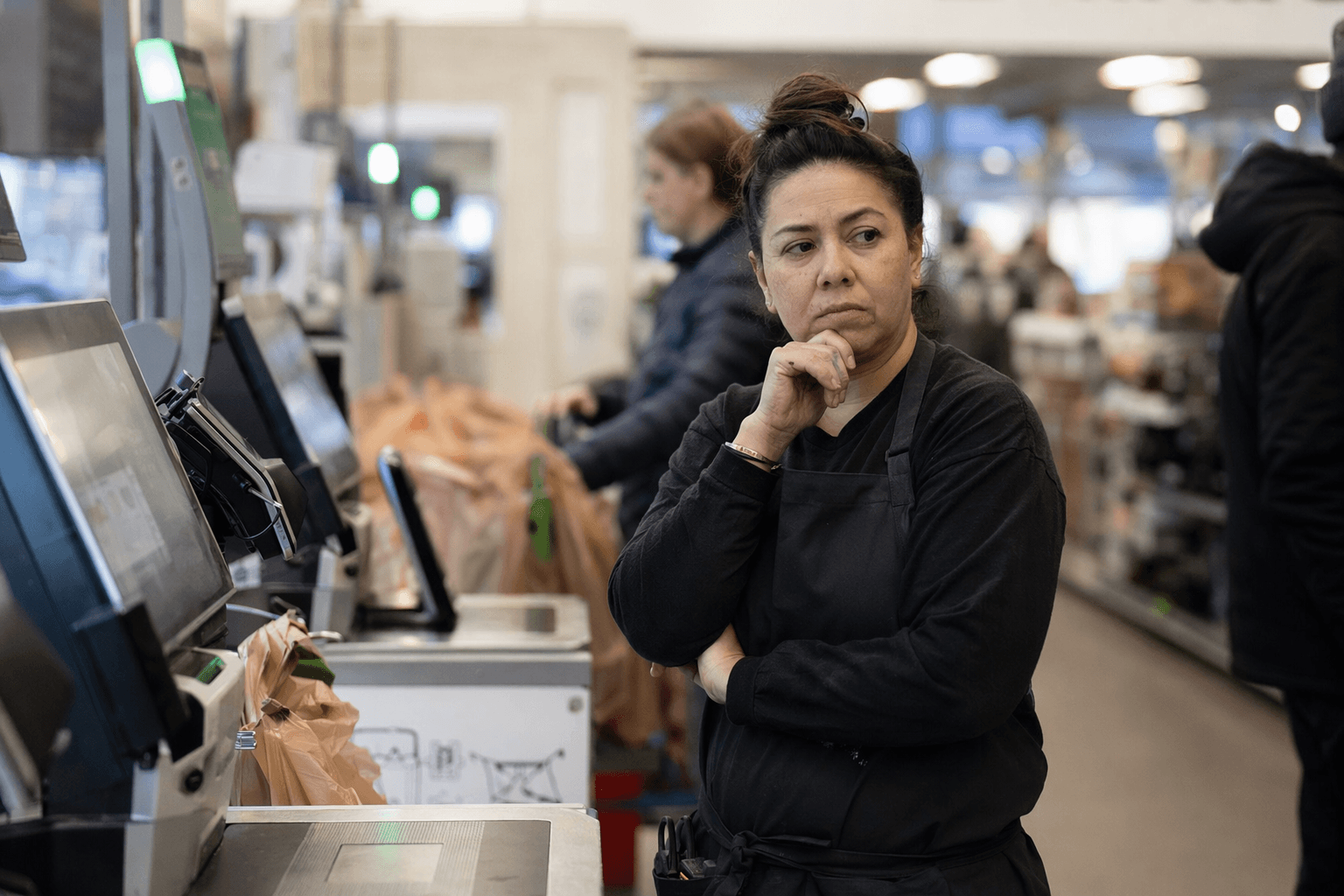
A New York City self-checkout bill is aiming squarely at the labor question behind modern checkout design: if retailers want kiosks, they may also have to put more people in front of them. The proposal from Councilwoman Amanda Farias would limit self-checkout to 15 items, require at least one employee monitoring every three self-checkout lanes, and trigger a $100 daily fine for noncompliance. It would take effect one year after becoming law and already had four additional sponsors.
For Dollar General workers, the bigger signal is not whether this exact rule reaches every store. It is that lawmakers are increasingly treating checkout, shrink control and staffing levels as one problem instead of three separate ones. When a store relies on fewer staffed lanes and more automation, the front end becomes a catch-all for age checks, item overrides, customer questions, theft prevention and technology fixes, all while managers try to keep labor tight. That is the same pressure Farias’s bill is trying to answer, and it is the same pressure Dollar General has been trying to manage inside its own stores.
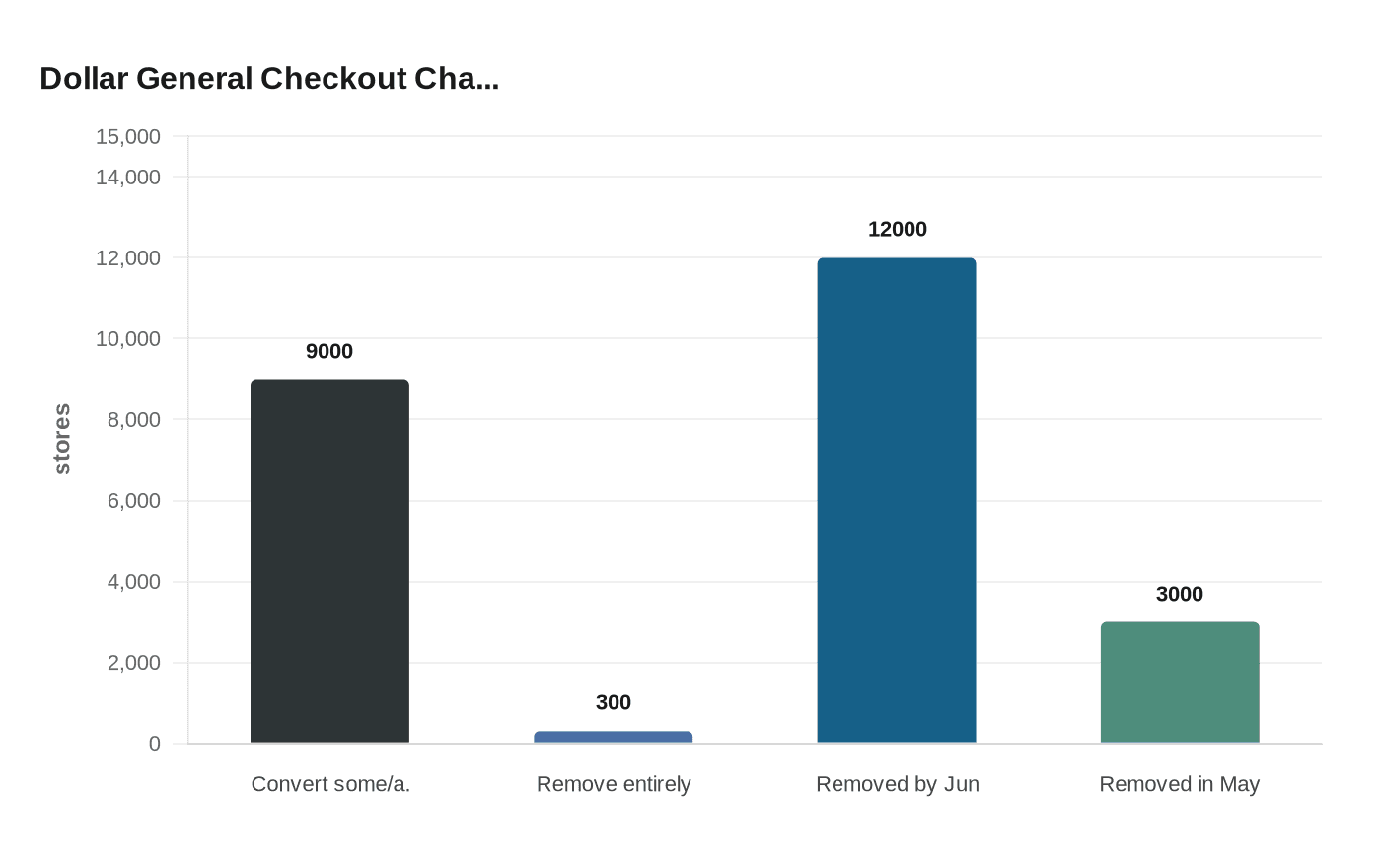
Dollar General’s response over the past year shows how far the company has already moved. In March 2024, the chain said it would convert some or all self-checkout registers to assisted checkout in about 9,000 stores, remove self-checkout entirely from more than 300 of its highest-shrink stores, and limit remaining self-checkout locations to five items or fewer. By early June 2024, Dollar General said it had removed self-checkout from about 12,000 stores since the start of the year, including 3,000 in May alone, while keeping it only in a limited number of higher-volume, low-shrink stores. The company also said it was increasing employee presence at the front end and adding inventory-management shifts and training.
The scale of the chain makes those decisions matter. Dollar General reported 20,594 stores across the United States and Mexico as of January 31, 2025, which means even small changes in checkout policy can ripple through thousands of stores where staffing is already thin and front-end coverage is hard to maintain. The company once tested 100% self-checkout at 200 stores in June 2022, but that enthusiasm has given way to retrenchment as shrink has become a larger problem.
The theft backdrop helps explain why local governments are pressing the issue. The National Retail Federation said retailers saw a 93% increase in average shoplifting incidents in 2023 versus 2019 and a 90% increase in dollar loss over the same period. A Congressional Research Service report published May 2, 2024, said there is no federal law specifically prohibiting organized retail crime and no centralized reporting system for ORC-related crimes, even as more than 30 states have enacted their own laws. In other words, the policy pressure is not stopping at the city line, and front-end staffing is now part of the retail theft debate.
This article was produced by Prism’s automated news system from verified source data, official records, and press releases, then run through automated quality and moderation checks before publishing. The system is built and supervised by the people who set the standards it runs under. Read our full AI policy.
Did this article answer your question?