OSHA Guidance for Dollar General Employees on Reporting Hazards and Whistleblower Protections
OSHA outlines how Dollar General employees can report store hazards and file whistleblower complaints, with protections and steps to help prompt inspections.
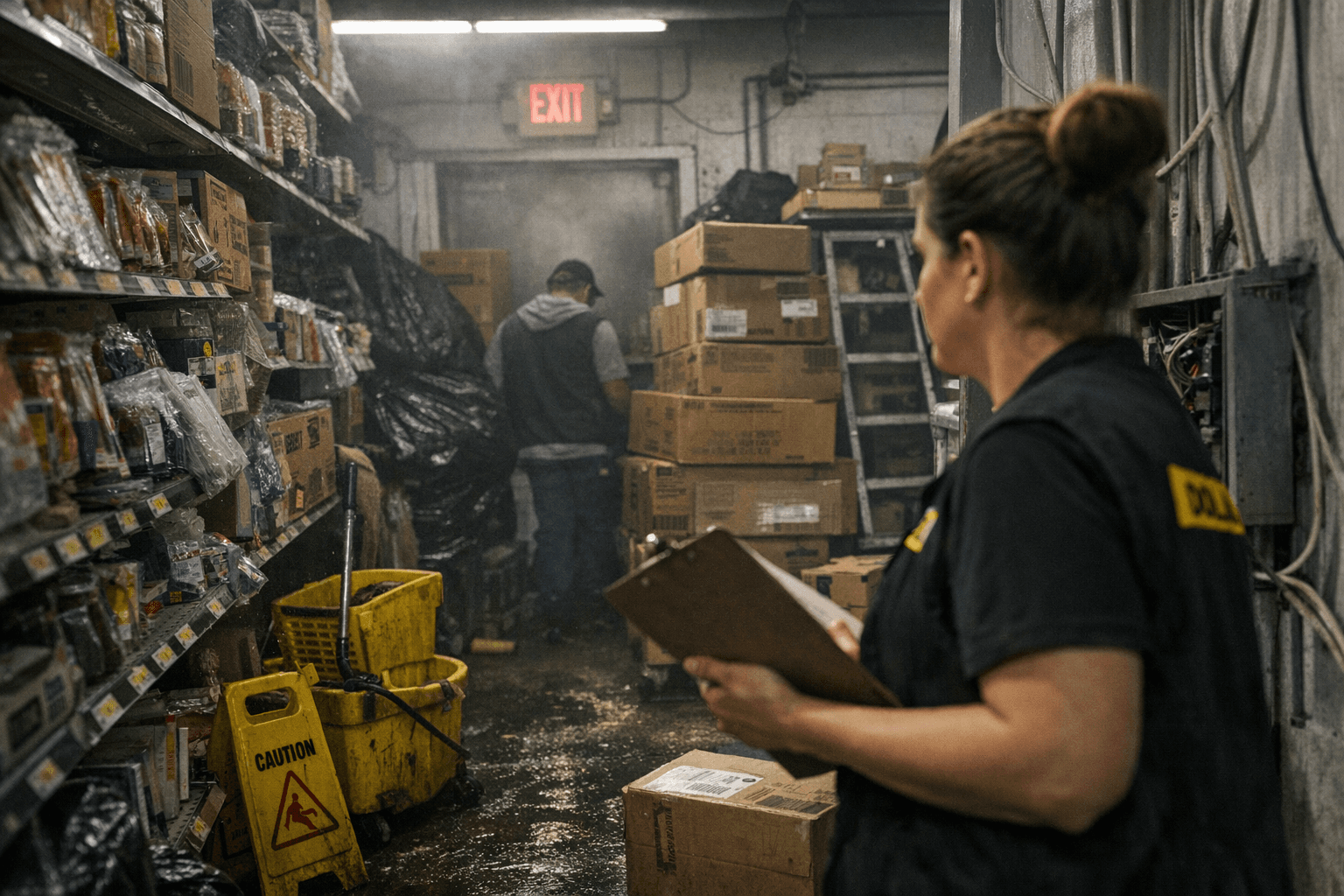
Federal OSHA provides clear channels for Dollar General employees to report unsafe conditions and to seek protection if they face retaliation for speaking up. Workers who encounter blocked exits, unsafe storage, fire or egress hazards, or retaliatory action by managers can contact OSHA by phone at 1-800-321-6742, by reaching a regional or area office, or by using OSHA’s online complaint and whistleblower forms.
OSHA guidance notes that written, signed complaints are more likely to prompt on-site inspections, while many complaints made by phone or via online forms are handled informally. The agency also offers instructions on documenting hazards, what information to include in a complaint, and how to request confidentiality when a worker fears employer retaliation. Those procedural details matter in retail settings where pallet jams in backrooms, obstructed exits, or improperly stored merchandise can create acute safety risks for floor staff and customers.
Whistleblower protections are enforced by OSHA under multiple statutes, meaning employees who report hazards or otherwise exercise protected rights are legally shielded from retaliation. For Dollar General employees, that protection covers actions such as filing a complaint, requesting an inspection, or refusing to work in imminent danger. OSHA’s processes give workers avenues to raise problems when internal reporting fails or when managers do not correct dangerous conditions.
For workers deciding how to proceed, the practical differences in reporting channels are significant. A signed, written complaint that lays out the hazard, identifies the store location and the employer, and documents dates and conditions has a higher chance of triggering an inspection. Phone and online reports remain important for quick alerts and informal resolution, but they often result in follow-up guidance rather than an on-site visit.
The guidance also recognizes the reality of workplace dynamics in retail. Employees may hesitate to report hazards because of fear of discipline or job loss. OSHA’s confidentiality procedures and whistleblower enforcement are intended to reduce that barrier, and documenting attempts to report internally can strengthen a later complaint.
For Dollar General employees, the immediate step is simple: use OSHA’s channels when internal fixes do not occur, keep records of conditions and communications, and request confidentiality if you fear retaliation. What happens next depends on the nature of the complaint and whether a written, signed submission prompts an inspection. OSHA’s tools exist to protect workers and to force corrective action when store conditions threaten safety; using them can shift the balance toward safer stores and more accountable management.
Know something we missed? Have a correction or additional information?
Submit a Tip