OSHA roofing case underscores fall-safety lessons for Dollar General workers
A Florida fall citation killed one worker and seriously hurt another, and OSHA says the same hazard-control basics matter in Dollar General stockrooms, ladders and roof access.
A two-story fall that killed one worker and seriously injured another is a hard reminder that OSHA still treats obvious hazards as preventable, not inevitable. In Florida, the agency cited Max Home Services LLC, operating as Pasat Roofing and Solar Energy, after workers fell while installing tarp on a residence on Sept. 24, 2025, and OSHA described the case as a willful safety failure.
That roofing case matters far beyond construction. OSHA’s fall-protection guidance says employers must keep workplaces free of known dangers, and the agency says protection can include guardrails, stair rails, handrails, safety harnesses and lines, and safety nets. Its Fall Prevention Campaign, which has run since 2012, pushes the same message: plan work at height before anyone climbs, not after a near miss.
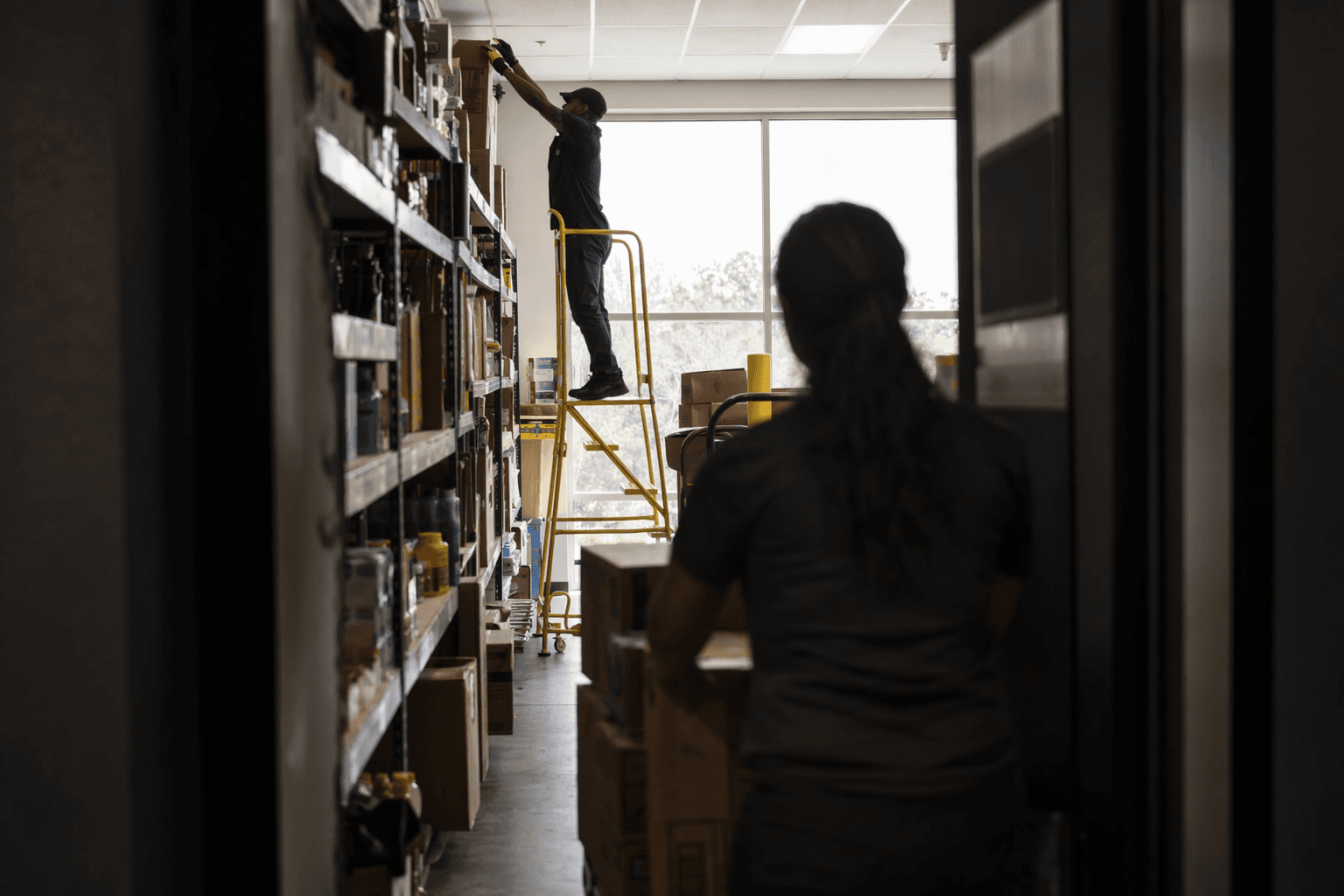
For Dollar General managers, the translation is straightforward. The hazards may look smaller than a roof edge, but the controls are the same. Ladders used for stocking, overhead storage in the backroom, roof access, maintenance work, and storm cleanup all demand the kind of planning that too often gets pushed aside when a store is short-staffed or a task needs to be finished fast. In a Dollar General store, a rushed climb for a case of merchandise can turn into the same kind of preventable fall OSHA is still citing elsewhere.
The retailer already knows how hard OSHA can press when hazards repeat. On July 11, 2024, OSHA announced a corporate-wide settlement with Dollar General and its retail subsidiaries that required the company to create a safety and health committee, encourage employee participation, and quickly correct certain hazards, generally within 48 hours, including blocked exits, access to fire extinguishers and electrical panels, and improper material storage. OSHA uses corporate-wide settlement agreements when employers show a pattern of non-compliance or similar violations at multiple sites.
That background came after OSHA said nine inspections in four states found Dollar General exposing workers to blocked exits, fire hazards, electrical hazards and struck-by hazards. In May 2023, the agency said Dollar General and Dolgencorp operated about 19,000 stores and 28 distribution centers in 47 states and employed more than 173,000 workers. OSHA also said the company had been inspected 240 times since 2017, had more than $21 million in proposed fines by May 2023, and had been added to the Severe Violator Enforcement Program in 2022. Dollar General later said in its 2024 annual report that it employed about 185,800 full-time and part-time workers, and in its 2025 annual report it said that number had grown to about 194,200.
The lesson for store managers and associates is not complicated: if a ladder is unstable, a pallet is stacked too high, an aisle is blocked, or a task is being rushed because the shift is thin, the problem is already there. OSHA’s latest roofing case shows how quickly a routine job can turn fatal when the basics are ignored, and that is exactly the kind of warning retail workers cannot afford to miss.
This article was produced by Prism’s automated news system from verified source data, official records, and press releases, then run through automated quality and moderation checks before publishing. The system is built and supervised by the people who set the standards it runs under. Read our full AI policy.
Did this article answer your question?