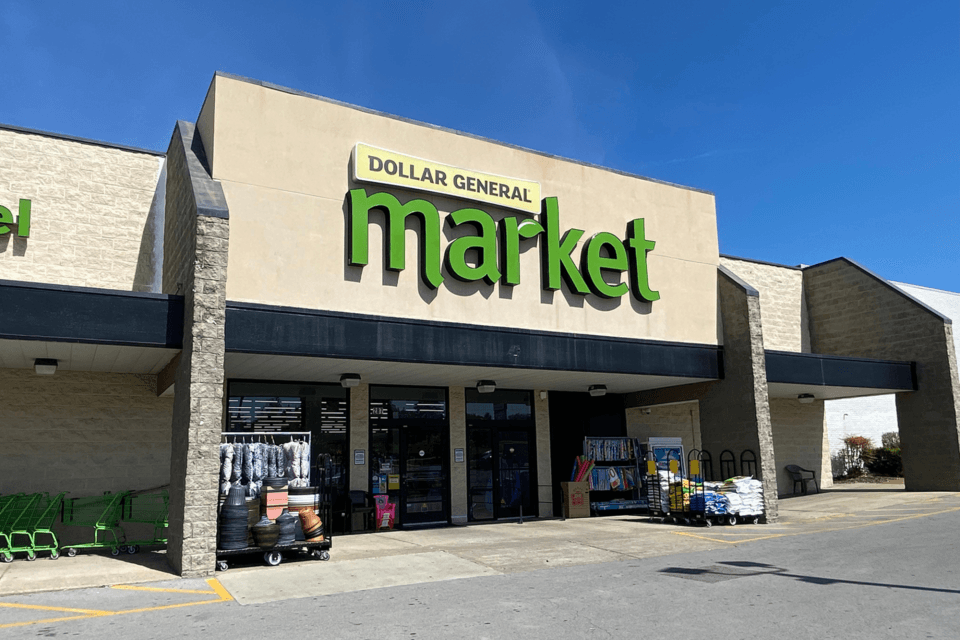
OSHA search tool helps Dollar General managers spot store safety risks
OSHA’s Establishment Search can show whether a Dollar General store’s safety problems are recurring or isolated. Managers can use it before visits, remodels or escalations.

Before you walk into a Dollar General store to take over a location, prepare for a visit or decide whether a hazard needs escalation, OSHA’s Establishment Search can tell you whether the site has a real citation history or just a bad rumor. The database lets managers and safety-minded associates look up federal inspection records by establishment name, inspection number, industry, OSHA office or site ZIP code, then review the citation information tied to those inspections.
What the search tool actually shows
OSHA says the Establishment Search contains information on more than 3 million inspections conducted since 1972 and is updated daily. That makes it more than a static archive. It is a live public record that can help you see what OSHA has already documented at a store, what it classified as a violation item and whether a citation was actually issued.
For practical use, the records that matter most are the ones that tell you how a problem was handled:
- Establishment name
- Inspection number
- Activity number
- OSHA office or site ZIP code
- Violation items
- Citation ID
If a citation was issued, OSHA says it appears under “Violation Items,” and users can select the “Citation ID” to see the record. OSHA also says citation and violation information for federal OSHA cases can change while an investigation is still open, so the smart move is to keep checking back for updates instead of treating one search as the final word.
That matters in a store setting because a loose collection of safety complaints can sound like ordinary retail friction. A citation history tells you whether the same hazards have already been seen, documented and repeated.
Why this is useful in a Dollar General store
In a chain as large as Dollar General, the value of a search like this is operational. A district manager can use it to decide where a fast walkthrough is needed, where coaching should focus and where a corrective action plan may stop a repeat problem before it becomes a new one. A store manager can use it before a visit, a remodel or a high-risk season, when temporary storage, extra inventory or rushed labor can make old hazards show up again.
For associates, the tool is a reminder that inspection history is public. Safety issues do not disappear just because they are common in discount retail. If a location has already been cited for blocked exits, poor storage, blocked fire extinguishers, electrical issues or housekeeping problems, that record helps you understand what regulators have seen before and what is likely to draw attention again.
OSHA’s data pages also make clear that the agency publishes inspection and citation data for employers, workers and safety professionals. That public record gives frontline workers a way to move beyond office talk and look at what was actually cited, when it was cited and whether it keeps coming back.
The Dollar General pattern makes the search more useful
Dollar General’s history is exactly why the public record matters. OSHA said in 2023 that since 2017 it had issued citations in more than 180 Dollar General inspections and assessed more than $16 million in fines. By May 2023, OSHA said the total had climbed to more than $21 million after more than 240 inspections nationwide.
OSHA also said Dollar General was placed in the agency’s Severe Violator Enforcement Program because of chronic failures to meet federal safety requirements. That designation gives the search tool extra value because it helps workers and managers see whether a specific location is part of a broader pattern instead of an isolated problem.
The themes in OSHA’s Dollar General cases were not mysterious. Prior news releases repeatedly pointed to blocked emergency exits, blocked electrical panels, blocked fire extinguishers, unsafe storage and poor housekeeping. Those are exactly the kinds of conditions that can be hard to spot if a store is understaffed, overloaded with freight or running with a single associate trying to cover too much ground at once.
How to use Establishment Search before you act
The best use of the database is simple: check the site first, then decide what needs attention.
1. Search the store by establishment name, inspection number, industry, OSHA office or ZIP code.
2. Open the inspection record and check whether a citation was issued.
3. Read the violation items and citation ID to see what OSHA actually documented.
4. Compare the cited hazards with what you are seeing now.
5. Check again later if the case is still open, because OSHA says those details can change.
That workflow helps separate one-off housekeeping trouble from deeper recurring problems. If the same store has been cited for blocked exits or storage issues more than once, you are not looking at random clutter. You are looking at a management pattern that needs follow-through.
The 2024 settlement raised the stakes
OSHA announced a corporate-wide settlement with Dollar General on July 11, 2024, and the terms show how seriously the agency was treating the chain’s repeat hazards. Under the agreement, Dollar General’s retail subsidiaries and covered stores under federal OSHA jurisdiction, excluding pOpshelf stores, must make significant safety investments nationwide.
Those obligations include third-party consultants and auditors, unannounced annual compliance audits, a new Safety Operations Center, an anonymous hotline for employees and the public, quarterly reports to OSHA and generally 48-hour correction deadlines for covered hazards. The covered hazards include blocked exits, access to fire extinguishers and electrical panels, and improper material storage.
OSHA also said the company retained a third-party consultant to identify hazards and analyze enterprise-wide contributing factors. That is important because it shows the agency was not treating the problem as a series of disconnected store-level mistakes. It was pushing the company to look for the system behind the citations.
What managers and associates should take from it
For a Dollar General team, Establishment Search is not a bureaucratic curiosity. It is a way to tell whether a store’s safety issues are isolated or recurring, and whether a location has already been on OSHA’s radar for the same kind of hazard. If a store has a history of blocked exits, blocked fire extinguishers, blocked electrical panels, unsafe storage or poor housekeeping, that record should shape how you walk the building, how you coach the team and how fast you move on correction.
The public record is already there. The advantage goes to the manager or associate who uses it before the next problem becomes another citation.
This article was produced by Prism’s automated news system from verified source data, official records, and press releases, then run through automated quality and moderation checks before publishing. The system is built and supervised by the people who set the standards it runs under. Read our full AI policy.
Know something we missed? Have a correction or additional information?
Submit a Tip