Price Mismatches Plague Dollar General, Workers Cite Chronic Understaffing
Employees and customers recently highlighted frequent shelf price versus register price mismatches at Dollar General and Family Dollar stores, saying the problem stems from understaffing and broken in store processes rather than deliberate overcharging. The pattern matters because it creates customer frustration, extra labor at checkout, and added stress for front line workers who lack time and resources to keep prices updated.
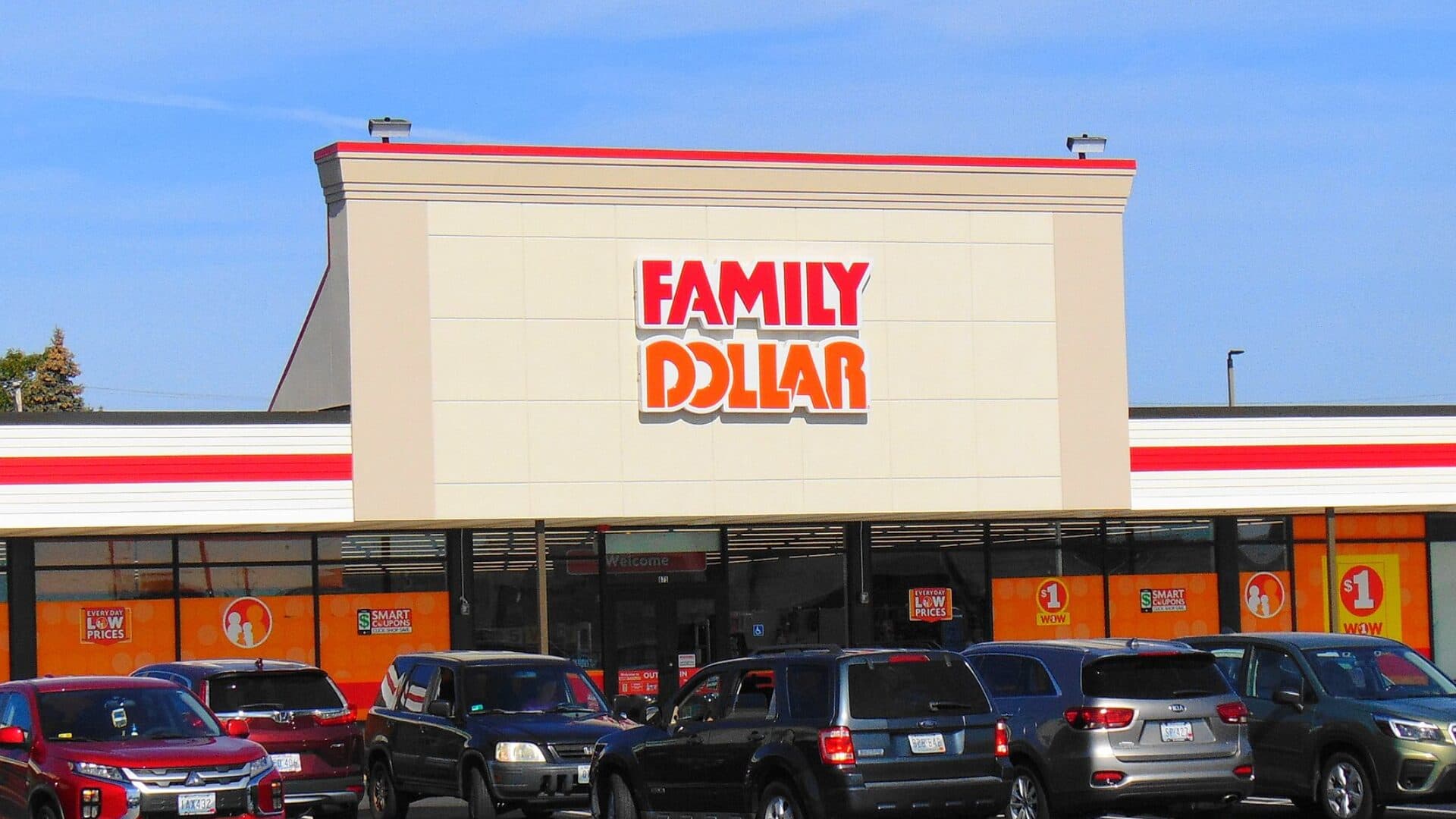
A wave of complaints and worker accounts has put price mismatches at Dollar General and Family Dollar stores in the spotlight. Posters, including current store employees, described frequent instances where items scanned at checkout ring up at different prices than those displayed on shelves. Those accounts emphasized that the inconsistencies were not the result of intentional misconduct by cashiers, but rather of persistent operational constraints at store level.
Employees explained several factors behind the problem. Chronic understaffing limited the hours available for routine tasks like changing shelf tags. Price updates arrive as 'price change' tickets that require time on the sales floor to process. When staffing is tight, those tickets go unprocessed until slower periods that often never arrive, leaving shelves with outdated tags while registers reflect the latest system prices. Delays in updating tags and constrained shifts for hourly workers were repeatedly named as drivers of the mismatch problem.
The consequences reach both customers and workers. Shoppers faced confusion and the inconvenience of disputing charges at checkout, while cashiers absorbed increased customer complaints and time spent handling price checks and refunds. Workers said that being held responsible for pricing errors they could not correct on the shelf erodes morale and adds to already heavy workloads. Managers and assistant managers must also divert attention to price disputes and paperwork, creating a cycle of operational strain.

The discussion framed the issue as one of staffing and systemic process failures rather than individual employee behavior. That distinction matters for employers considering remedies, because it points to solutions such as reallocating labor for shelf maintenance, revising the timing and procedures for price change tickets, or adjusting expectations for what can be accomplished during understaffed shifts. For workers, the persistence of mismatches underscores daily tensions between service expectations and the limitations of available time and resources. For customers, it raises questions about price transparency and the store experience when routine maintenance tasks fall behind.
This article was produced by Prism’s automated news system from verified source data, official records, and press releases, then run through automated quality and moderation checks before publishing. The system is built and supervised by the people who set the standards it runs under. Read our full AI policy.
Did this article answer your question?