Retail employment stalls in May as unemployment holds at 4.3 percent
Retail hiring was flat in May, but Dollar General stores still face tight competition for workers, hours and transfers as unemployment stayed at 4.3 percent.

A flat retail jobs reading in May does not mean Dollar General stores will suddenly find staffing easier. It means the labor market is still active enough that every open shift, transfer request and new hire will still compete for attention, even as unemployment held at 4.3 percent.
The U.S. Bureau of Labor Statistics said total nonfarm payrolls rose by 172,000 in May, but employment showed little change in retail trade. The broader picture was mixed: the labor force participation rate held at 61.8 percent, the employment-population ratio stayed at 59.2 percent, and 4.8 million people were working part time for economic reasons. For store managers, that is a signal that the market is not loose enough to assume applicants will appear quickly, but not so hot that workers have endless leverage either.

For Dollar General, that matters because store staffing problems are usually felt first on the floor. A national stall in retail employment does not guarantee fewer openings at the district level, but it can mean more competition for the same pool of workers, more pressure to keep schedules covered, and more reliance on existing teams to absorb extra workload when someone quits or calls out. In a chain with 20,893 Dollar General, DG Market, DGX and pOpshelf stores across the United States and Mi Súper Dollar General stores in Mexico as of January 30, 2026, even small changes in turnover can ripple across many locations.
The retail labor data also shows why hours remain such a sensitive issue. FRED data based on BLS figures put retail trade employment at 15,457.9 thousand in May, while retail trade job openings were 661,000 in April. That combination points to a sector with still-significant churn and demand, even if payroll growth itself was flat in May. For workers, that often translates into the same familiar questions: whether stores can cover weekends, whether part-time associates can get the hours they need, and whether a transfer or promotion will actually open up.
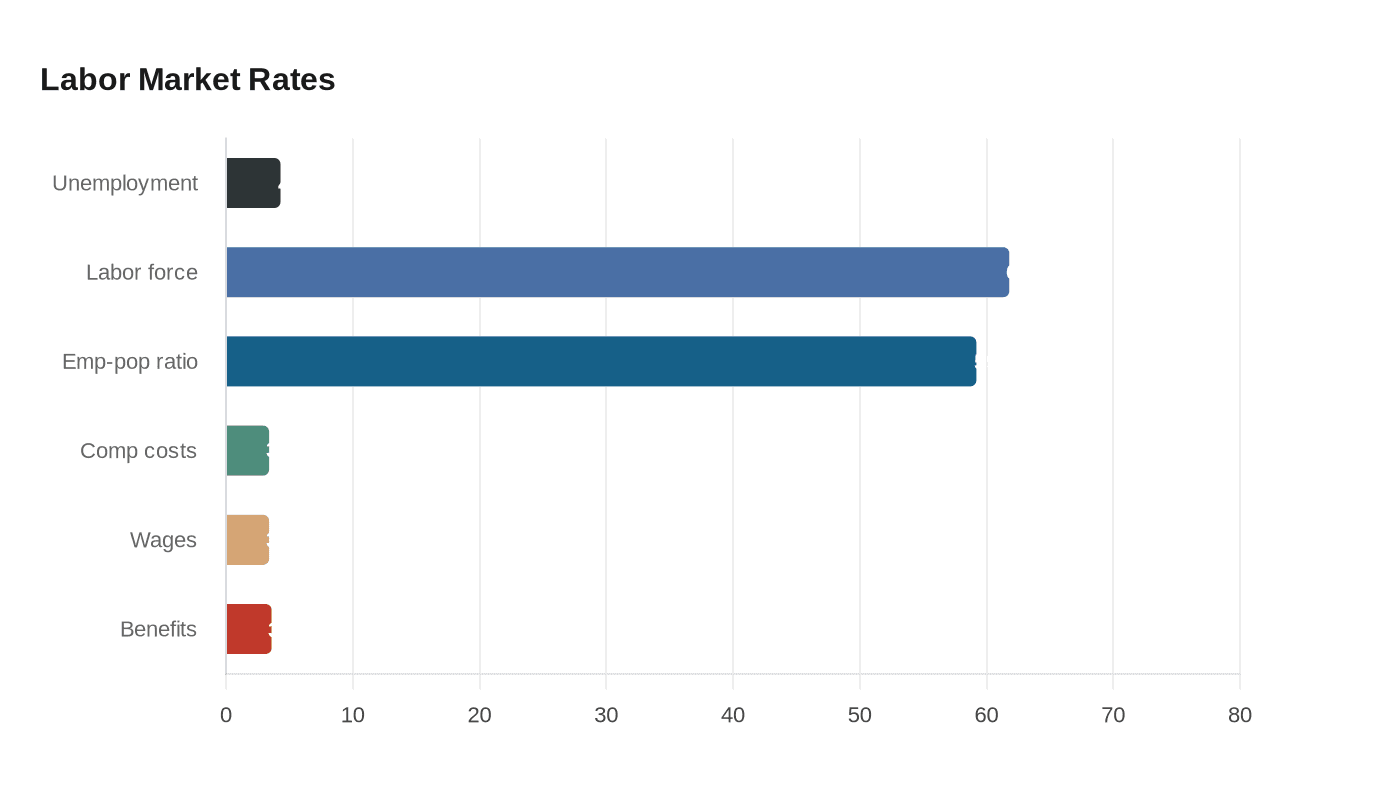
Wage pressure has not gone away either. The BLS Employment Cost Index showed compensation costs rising 3.4 percent in the 12 months ending in March 2026, with wages and salaries also up 3.4 percent and benefit costs up 3.6 percent. Dollar General reported first-quarter fiscal 2026 net sales of $10.8 billion, same-store sales growth of 2.0 percent, operating profit of $638.5 million and diluted EPS of $2.00. Chief Executive Todd Vasos said the quarter reflected positive customer traffic and progress on key initiatives. For store teams, that means the company has business momentum, but keeping that momentum depends on steady staffing, faster training and less turnover on the floor.
This article was produced by Prism’s automated news system from verified source data, official records, and press releases, then run through automated quality and moderation checks before publishing. The system is built and supervised by the people who set the standards it runs under. Read our full AI policy.
Know something we missed? Have a correction or additional information?
Submit a Tip