Survey finds most Dollar General workers report unpaid breaks
A crowd-sourced employer profile updated Jan. 13, 2026 shows 87% of surveyed Dollar General employees reported unpaid breaks; results highlight store-to-store variation.
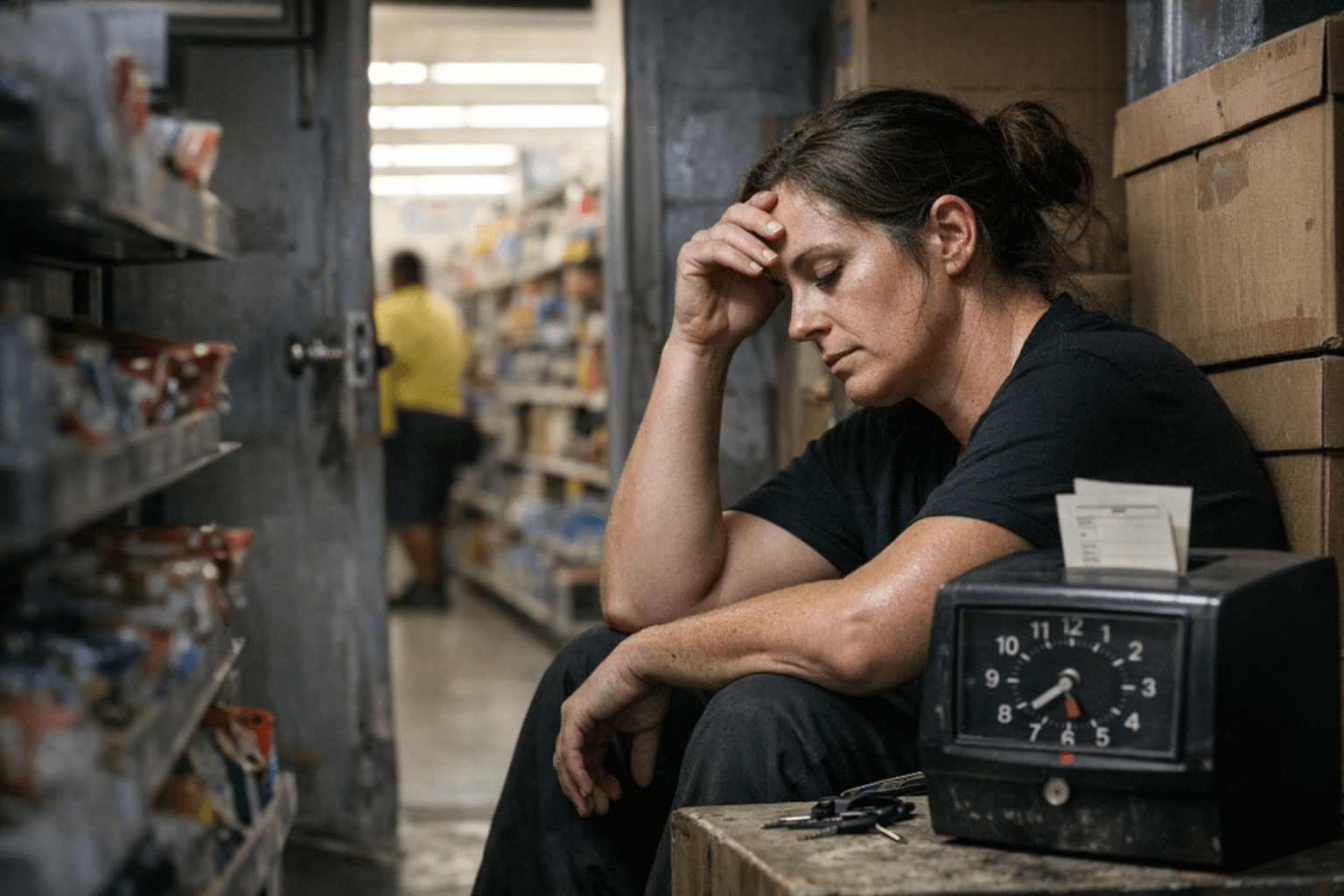
A recent update to an employer profile on Breakroom, the crowd-sourced worker-experience aggregator, found that a large majority of surveyed Dollar General employees say their breaks are unpaid. The page, updated Jan. 13, 2026, compiled several hundred recent responses and reports that 87% of respondents indicated they do not receive paid breaks.
The entry combines simple question-answer data with free-form comments from employees, and readers can see crowd-sourced descriptions of how break practices vary by store and state. Those comments depict inconsistent application of break policies at the store level, with some respondents saying breaks are scheduled and paid and others reporting that breaks are unpaid or depend on staffing and local management discretion.
Breakroom’s profile is presented as a peer-reporting tool that captures sentiment and patterns from employees, rather than a statement of corporate policy. For workers, the aggregated responses offer a quick way to benchmark experiences against peers at other locations and to flag recurring problems where practice diverges from expectation. For managers and HR teams, the data point to specific pockets of friction where local practices may differ from centralized guidance and where targeted clarifications or training could reduce confusion.
Unpaid break practices can affect hourly pay, shift planning, and frontline morale. In retail environments such as Dollar General, where lean staffing and high transaction volumes are common, break timing and pay status factor into whether employees can take meaningful rest without losing income. Persistent reports of unpaid breaks can also widen the trust gap between store teams and corporate leadership if employees perceive inconsistent enforcement.
Operational leaders can use aggregated feedback like this to identify trends that warrant follow-up: auditing timekeeping records, issuing reminders about company break policy, or delivering focused coaching for store managers in regions with clustered complaints. Workers who see a mismatch between their paystubs and reported break practices may consider raising the issue with their store manager or human resources, or documenting incidents to support local inquiries.
The Breakroom update does not by itself change payroll practices, but it underscores a common workplace signal: when hundreds of employees independently report the same problem, the issue is likely localized rather than anecdotal. For Dollar General employees and managers, the next steps will be whether corporate or field leaders address the pattern with clearer guidance, reconciled procedures across stores, or additional training to ensure consistent treatment of breaks.
This article was produced by Prism’s automated news system from verified source data, official records, and press releases, then run through automated quality and moderation checks before publishing. The system is built and supervised by the people who set the standards it runs under. Read our full AI policy.
Did this article answer your question?