Tariff refunds spark pricing fight that could hit Dollar General stores
Tariff refunds are moving through the supply chain, but Dollar General stores may never see the cash. For associates, that means shelf tags and pricing fights, not guaranteed lower prices.
A tariff refund does not automatically mean cheaper paper towels or cereal at Dollar General. Importers, distributors and retailers are now negotiating over who keeps the money, who passes savings along and whether any of it reaches the sales floor as lower shelf prices, ad features or simply another round of re-labeling.
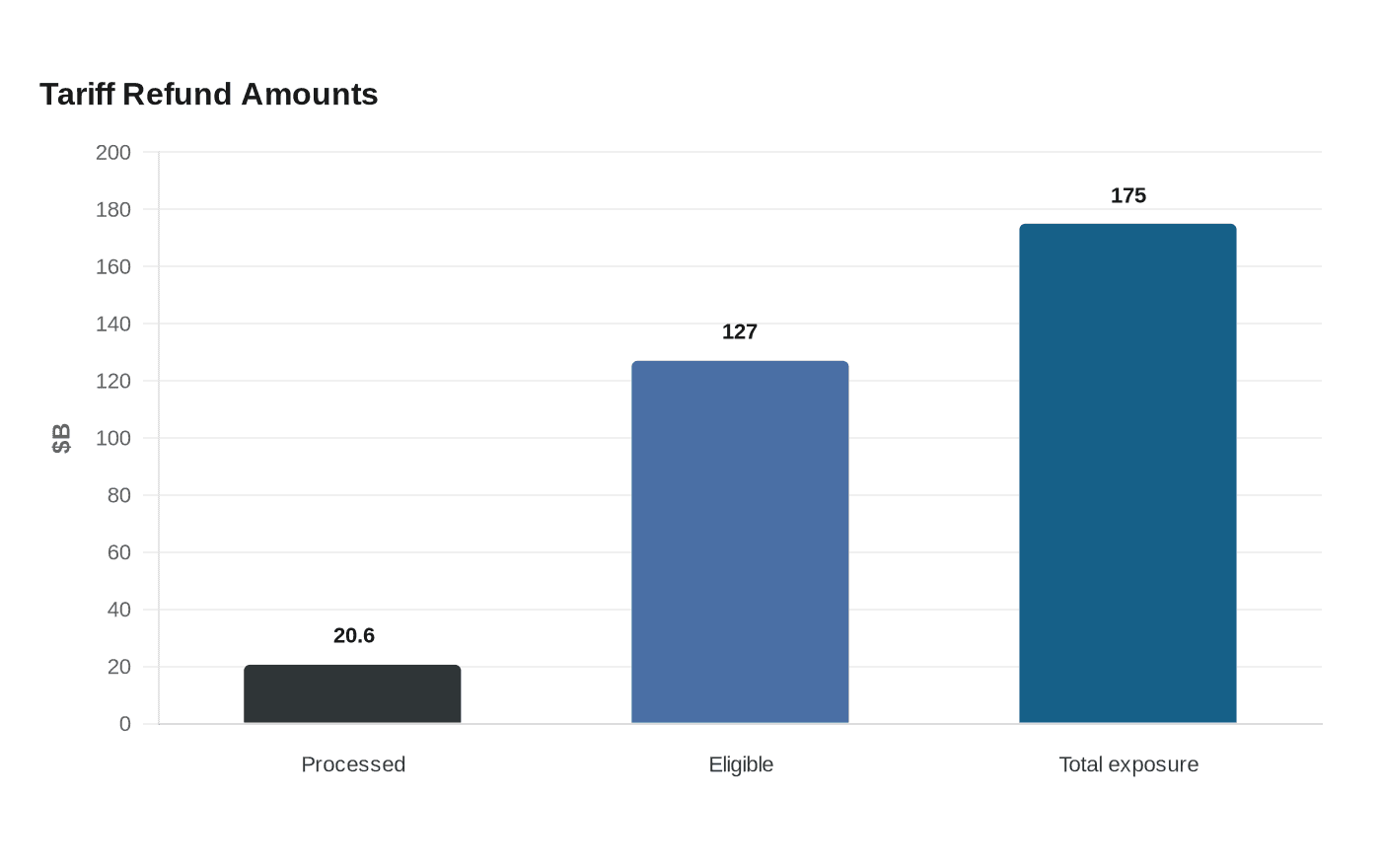
The stakes are large and the process is messy. U.S. Customs and Border Protection had processed $20.6 billion in certified tariff refunds, including interest, as of May 22. The CAPE refund portal opened on April 20, and by April 26 importers and customs brokers had submitted about 75,300 declarations covering more than 11.2 million individual entries. CBP estimated about $127 billion in IEEPA duties were eligible for reimbursement in the first phase of the portal, with total exposure potentially reaching $175 billion. The Supreme Court ruled on February 20 in Learning Resources v. Trump that IEEPA did not authorize the tariffs at issue, and the U.S. Court of International Trade struck down a separate 10% global surcharge on May 7.
Trade attorneys are warning that companies that keep tariff-related price increases while also collecting refunds could face allegations of double recovery. That is why the fight is centering on rebate agreements, supplier contracts and other commercial concessions, not just on a simple refund check. For Dollar General, a chain with 20,893 stores across the United States and Mexico as of January 30 and a low-cost model built on everyday low prices, the money only matters if it changes what customers see on the shelf.
Dollar General has already been dealing with tariff pressure. Reuters reported on June 3, 2025 that the chain said more middle- and higher-income shoppers were coming in amid tariff-related uncertainty and still-high inflation, while its core lower-income customer remained under pressure. The company also said it had reduced the share of its private-label goods imported from China to about 70%, and in August 2025 it said tariffs had begun to result in some price increases. Even then, Dollar General said it aimed to keep everyday low prices within three to four percentage points on average of mass retailers and keep more than 2,000 items at or below the $1 price point.
That is why the refund fight lands on the workday, not just the balance sheet. If suppliers hand savings back to the chain, store teams may see price changes move faster, signage swapped more often and customers asking why one item dropped while another did not. If the money gets absorbed upstream, associates will still field the questions, but without any visible relief in the basket. In a business where every cent matters, the fight over who keeps the refund can decide whether the benefit shows up as lower prices, smoother inventory flow or just more work for the store.
This article was produced by Prism’s automated news system from verified source data, official records, and press releases, then run through automated quality and moderation checks before publishing. The system is built and supervised by the people who set the standards it runs under. Read our full AI policy.
Know something we missed? Have a correction or additional information?
Submit a Tip