Trump proposes tariffs that could raise Dollar General shelf prices
Tariffs on imports from 60 economies could hit the food, beauty and household goods Dollar General workers stock first, raising price and substitution pressure.
Higher import duties on goods Dollar General sells every day could show up first as slower deliveries, more substitutions and sharper price complaints on the sales floor. The Trump administration proposed tariffs of up to 12.5% on imports from 60 economies after deciding those countries had not done enough to stop goods made with forced labor, with some countries facing a 10% duty and others 12.5%.
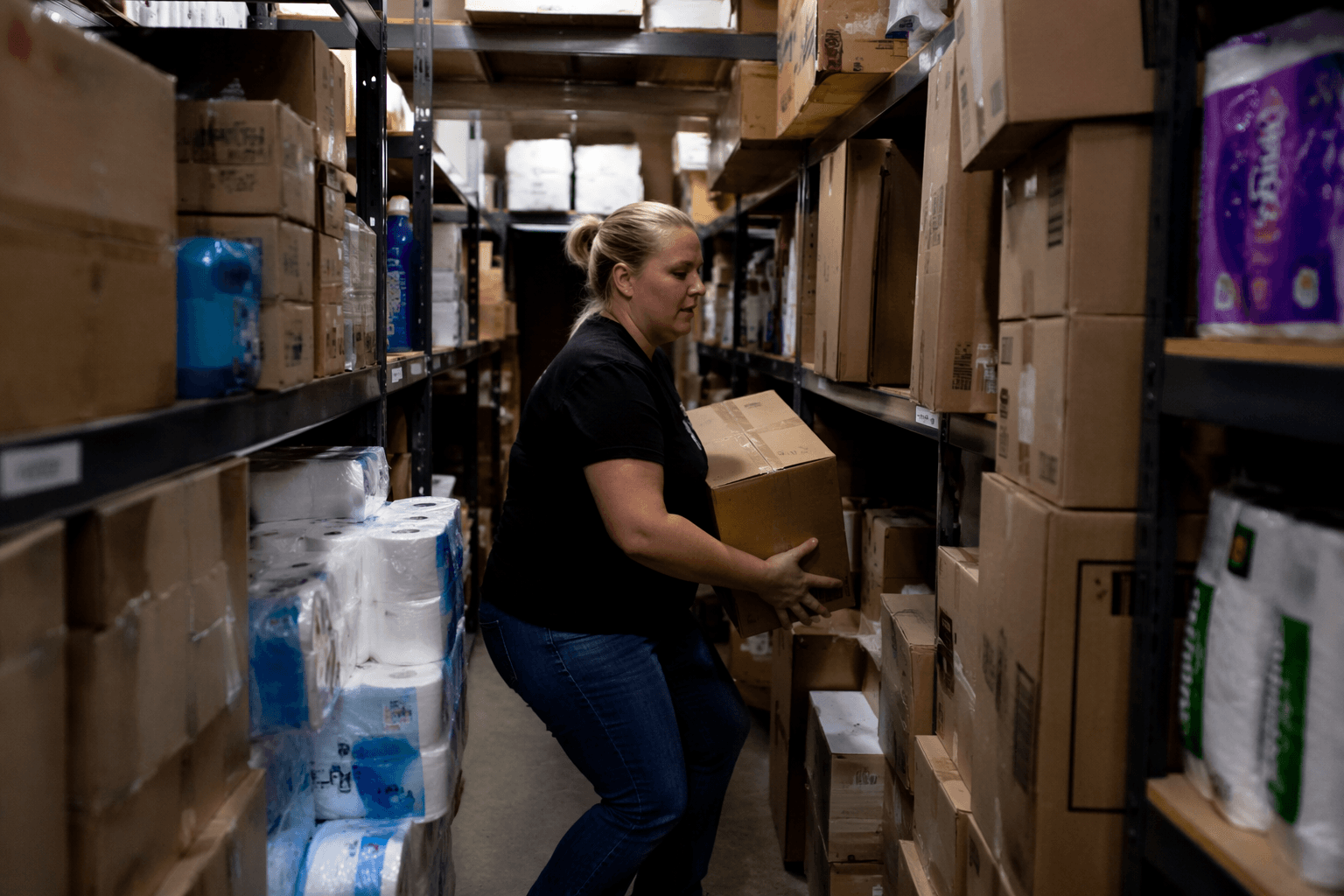
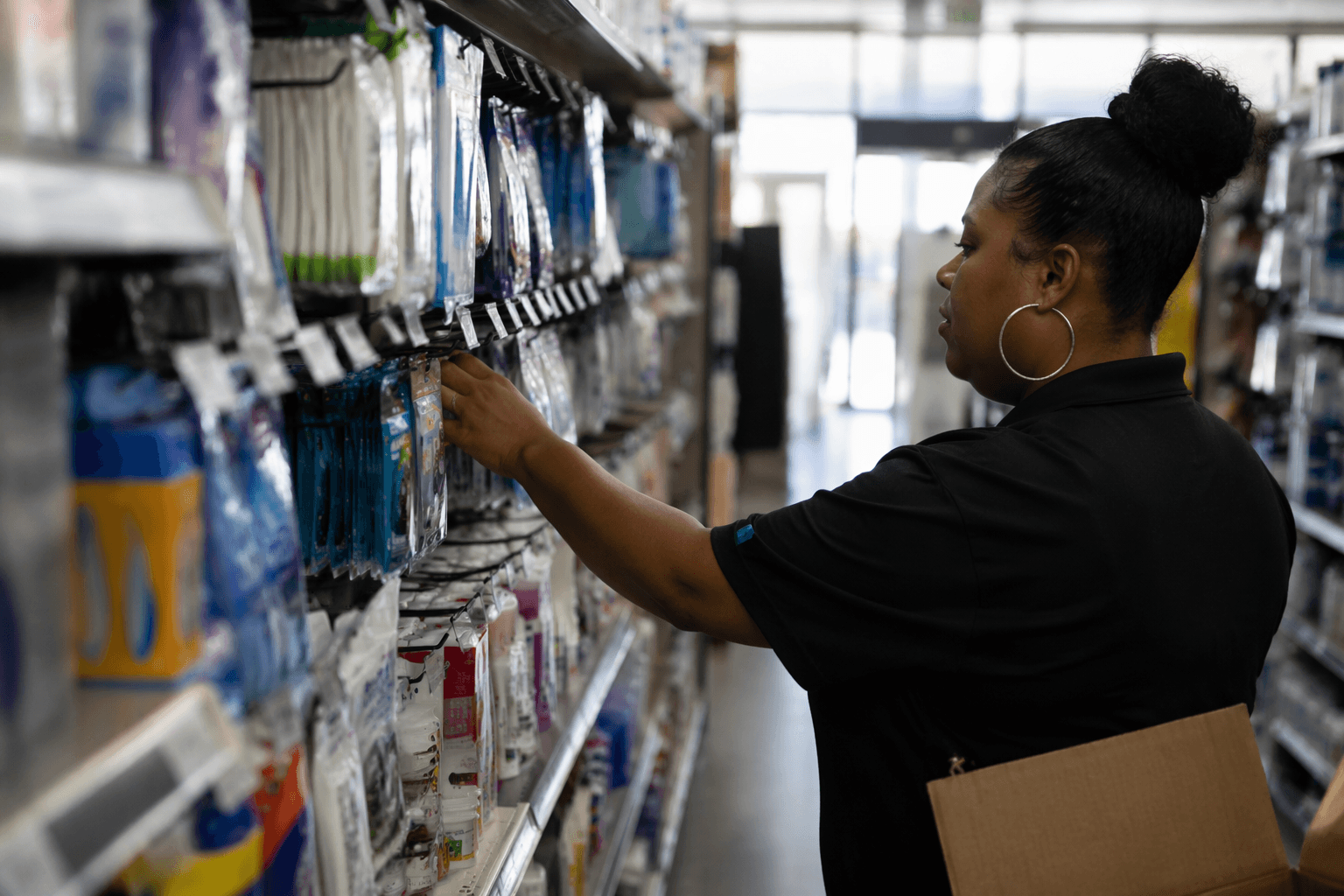
For Dollar General, the pressure would land in the aisles stocked with food, health and wellness products, cleaning and laundry supplies, self-care and beauty items, and seasonal décor. The company said it operated 20,893 Dollar General, DG Market, DGX and pOpshelf stores across the United States and Mi Súper Dollar General stores in Mexico as of January 30, 2026, and it has long described many of its customers as value-conscious and living on low or fixed incomes.
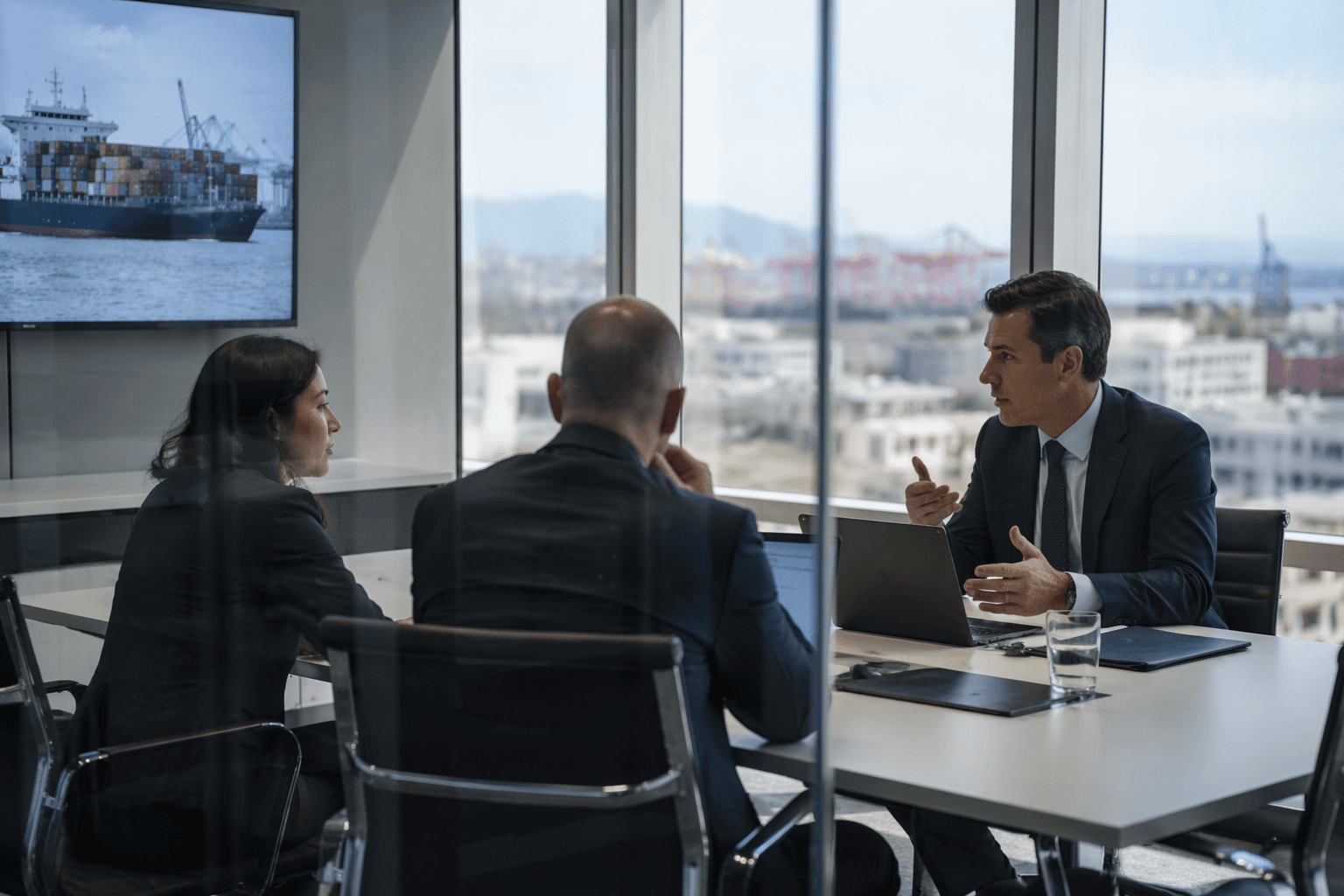
That makes any cost change harder to hide. Dollar General has already warned investors that foreign trade policies, duties, tariffs and import restrictions, especially involving China, could raise merchandise costs and hurt financial performance. In its January 31, 2025 10-K, the company also said duties had increased on certain products imported from China and Southeast Asian countries in 2023.
The latest quarter suggests the chain has some sales momentum, but not much room to absorb fresh pressure forever. On its June 2 earnings call, Dollar General said first-quarter net sales rose 3.4% to $10.8 billion, comparable-store sales increased 2%, traffic rose 1.4% and average basket size increased 0.5 point. Gross margin expanded to 31.6%, and management now expects 2026 earnings per share of $7.20 to $7.45.
The proposal also came after the U.S. Supreme Court struck down most of Trump’s earlier “Liberation Day” tariffs. Written comments on the new plan are due July 6, with a public hearing set for July 7. Reuters also reported that the administration was separately seeking public comment on a U.S.-China Board of Trade that could lead to mutual tariff reductions.
For store managers and district leaders, the operational question is how quickly vendors react. If tariffs lift sourcing costs, Dollar General and its suppliers may try to absorb part of the hit, switch vendors, alter package sizes or pass costs along, and those choices can ripple into planograms, promotional calendars and replenishment schedules. On the floor, that often means more customer questions, more price explanations and more time spent keeping shelves filled with whatever merchandise arrives next.
U.S. Trade Representative Jamieson Greer said the failure of major trading partners to address forced-labor imports was “unacceptable.” China and the European Union pushed back, calling the move unilateral or unjustified. For Dollar General workers, the policy fight matters less than the next truck, the next price change and the next aisle reset.
This article was produced by Prism’s automated news system from verified source data, official records, and press releases, then run through automated quality and moderation checks before publishing. The system is built and supervised by the people who set the standards it runs under. Read our full AI policy.
Know something we missed? Have a correction or additional information?
Submit a Tip