Goldman Sachs leads oil and gas M&A advisory in first half of 2026
Goldman’s top oil and gas M&A ranking in the first half of 2026 shows energy still drives big mandates, staffing and career paths inside the firm.
Goldman Sachs led oil and gas M&A advisory by value in the first half of 2026, a sign that energy still functions as one of the firm’s core career engines even as AI, software and private capital compete for attention. In Q1 alone, Goldman topped the oil and gas league table with $64.7 billion of advised deal value, keeping its energy franchise at the center of some of the market’s biggest restructurings and asset shifts.
The energy result sat inside a much larger advisory run. Goldman also led North America M&A advisers by value in Q1 2026 with $189 billion of advised transactions, topped global M&A rankings on January 6 with $1.48 trillion in deals, and later said on May 28 it was on track for near-record M&A volumes in 2026. By July 3, Goldman was dominating first-half M&A as dealmaking surged in EMEA. For bankers, that matters because energy is not operating as a standalone niche; it is feeding a broader franchise that still rewards teams able to win large, complicated mandates.
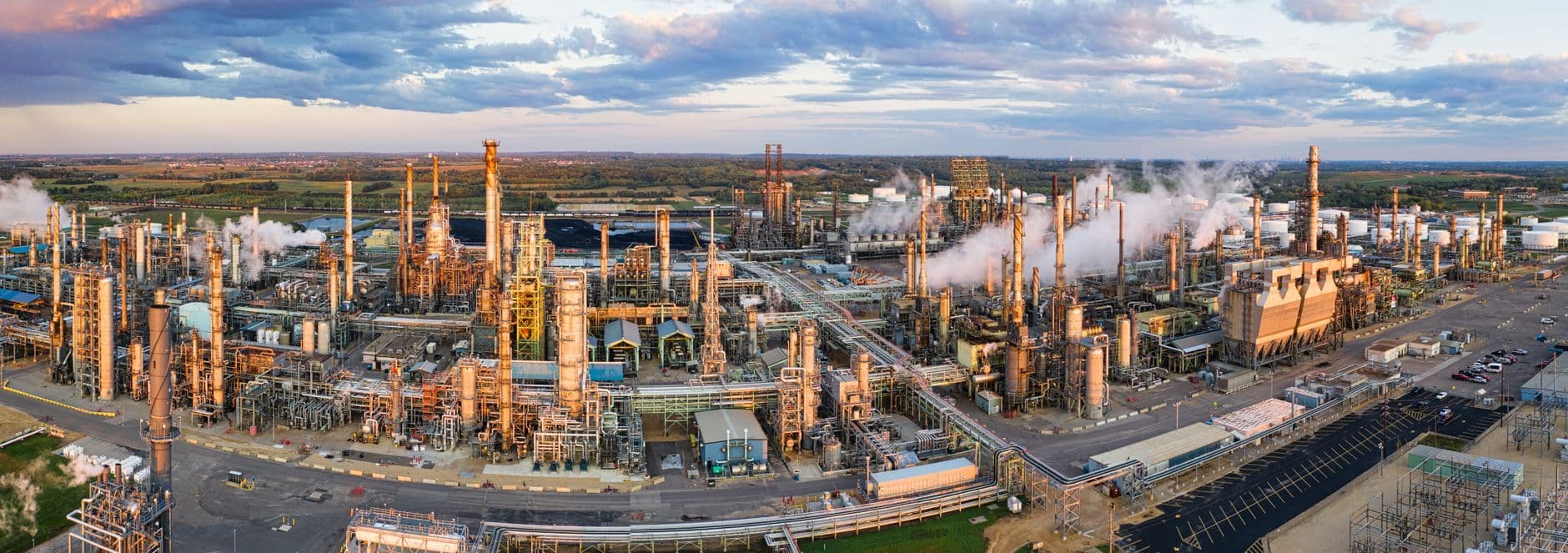
That pipeline has direct staffing consequences in Houston, New York and London. Oil and gas work reaches beyond classic upstream mergers into portfolio reshaping by majors, midstream combinations, LNG transactions and sale processes tied to transition spending. It also pulls in adjacent financing work when buyers need bridge loans, bond issuance or hedging solutions. For analysts and associates, that means more hours spent on reserve life, decline curves, production profiles, regulatory approvals and geopolitical exposure, not just generic valuation slides. For VPs and managing directors, the pitch is simple: sector expertise can still be a durable edge when boards want advisers who understand both the commodity cycle and the politics around it.

The timing helps explain why the business stayed busy. On April 17, Goldman flagged softer oil demand and two-sided risks to its 2026 price outlook, yet dealmaking kept moving because capital-intensive sectors rarely sit still for long. That mix of uncertain pricing and active portfolio management is exactly what keeps energy bankers relevant when investors talk about AI as the only growth story.

For Goldman employees, the message is less about nostalgia for an old-economy franchise than about where visible execution still lives. Energy mandates remain among the most scrutinized, deadline-driven assignments in banking, and they can help build internal reputation, support staffing depth and strengthen year-end compensation conversations. The first-half ranking shows that, even in a market crowded with new themes, oil and gas still pays real dividends for the bankers who know how to cover it.
This article was produced by Prism’s automated news system from verified source data, official records, and press releases, then run through automated quality and moderation checks before publishing. The system is built and supervised by the people who set the standards it runs under. Read our full AI policy.
Did this article answer your question?