Goldman Sachs maps employee issues to specialized human capital teams
Goldman’s HCM page is a practical org chart for employee problems, showing which teams handle pay, mobility, wellness, and discipline when workers need answers.
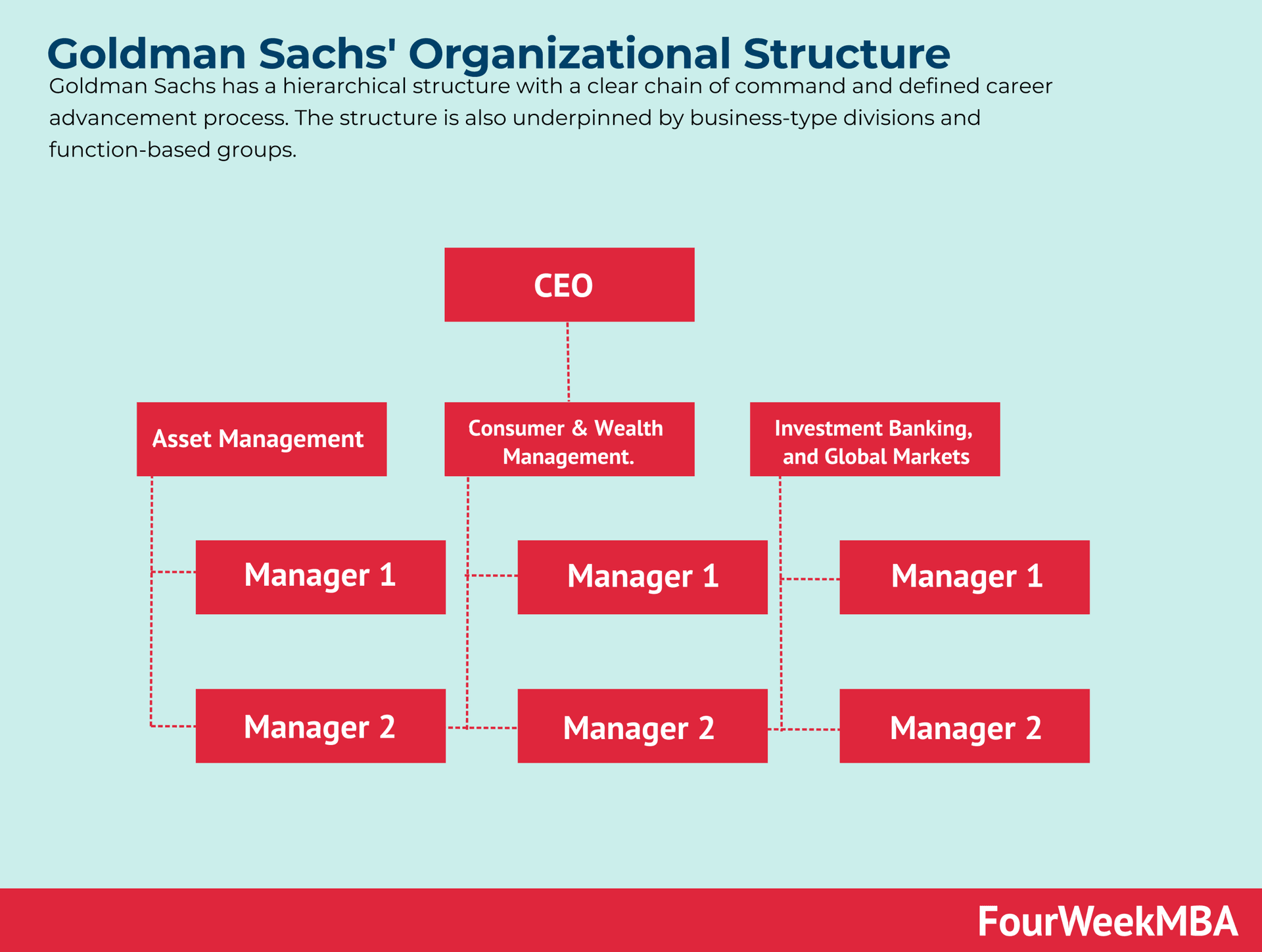
Goldman Sachs’ Human Capital Management page works less like a glossy careers brochure and more like an internal map of who actually steers employee outcomes. For anyone trying to understand where a benefits issue, a pay question, a career move, or a tougher workplace dispute gets handled, the page lays out the firm’s people machinery in unusually clear terms.
The real control center for people policy
Goldman describes Human Capital Management as the function that attracts, develops, and manages the firm’s biggest asset, and says it exists to help people build the careers they want by acting as a trusted partner in professional and personal growth. That framing matters because it tells employees where the firm thinks workplace issues belong: not in a single generalist HR bucket, but across specialized teams tied to performance, change, culture, and operating risk.
At the top of that structure is Jacqueline Arthur, the global head of Human Capital Management and Corporate & Workplace Solutions. She sits on both the Management Committee and the Partnership Committee, which puts the firm’s people agenda inside the same senior decision-making circle that shapes business strategy. Goldman says she works closely with leaders across divisions and regions to enhance and scale people strategy in line with the firm’s growth, a sign that employee policy is treated as a management lever, not a back-office service.
Who owns what when a workplace issue lands
Goldman’s value to employees is that it breaks its people function into teams with specific responsibilities. Benefits and Wellness handles programs that support employees and families. Business Partners advise leaders and managers. Change Management drives adoption of firmwide initiatives. Diversity and Inclusion shapes talent strategies and the leadership pipeline. Employee Relations handles challenging work situations. Engineering automates and enhances HCM processes. Executive Compensation and Firmwide Compensation design pay programs. Learning and Engagement builds curricula to strengthen culture, accelerate transitions, and support growth.
That structure gives employees a clearer sense of where a problem belongs. If the issue is a benefits gap, the Benefits and Wellness team is the likely starting point. If the concern involves a manager’s handling of a situation, Business Partners and Employee Relations sit closer to that decision path. If the question is how a new people policy gets rolled out across a global firm, Change Management is part of the machinery. For Goldman employees, the point is not just who answers the question, but who controls the standards behind the answer.
Mobility, training, and the internal market for talent
The HCM page also shows that Goldman treats mobility as a formal people function rather than an informal career path. Its Careers in Human Capital Management materials say Mobility connects talent to career opportunities, which is the kind of infrastructure that matters in a firm where prestige, exit options, and internal advancement all compete for attention.
Learning and Engagement is another useful signal. Goldman says this team designs curricula to strengthen culture, accelerate transitions, and drive growth. In practical terms, that means the firm is trying to manage how people move between teams, levels, and business lines, not just how they learn technical content. At a place where long hours and steep hierarchies can make lateral movement difficult, that kind of structure can shape who gets access to the next seat on the org chart.
Goldman’s Career Pivot Series and Returnship program reinforce that point. The Career Pivot Series is aimed at professionals with at least one year of work experience who want to move to another company or industry. The Returnship program, launched in 2013, is a 12-week program for professionals returning after a break of two or more years. Together, they show that the firm has built formal pathways for reintegration and transition, not just for linear climb-the-ladder advancement.
Compensation, fairness, and the systems behind pay
Pay at Goldman is handled with the same segmented logic. The firm’s Benefits page says compensation may include salary, discretionary compensation, and certain local allowances, where applicable, and that compensation is reviewed annually. For employees, that matters because it separates fixed pay from the discretionary components that can determine whether a year feels rewarding or brutal.
Goldman also says it annually reviews employee compensation and reported that, based on 2023 compensation, median pay for women globally was 99% of the median pay for men. That number does not erase the career dynamics that often shape advancement in banking, but it does show that Goldman is using compensation reviews as part of its stated approach to pay equity. The function responsible for designing these programs sits inside HCM, which means compensation policy is not floating independently from the rest of the people agenda.
Wellness, mental health, and the family-support layer
Goldman’s support model extends beyond pay and promotion. Its benefits materials say the firm offers compensation and benefits alongside wellness and on-site childcare, and Goldman says it opened its first onsite backup child care facility at its New York headquarters in 1993. That history matters because it shows family support is not a new slogan at the firm, but part of a longer effort to make retention workable for employees with caregiving responsibilities.
The wellness offering is more detailed than many banks would advertise. Goldman says it has wellness professionals who provide mindfulness trainings, guided meditations, a personalized resilience platform, and one-on-one coaching. It also says its global mental health strategy is overseen by HCM leadership, and that the firm launched manager training in 2024 to help leaders support people facing mental health challenges. That places mental health squarely in the manager tool kit, not just in an employee assistance program tucked out of sight.
For a workforce that still lives with the reality of intense workload spikes and unpredictable schedules, that is a meaningful signal. It suggests Goldman recognizes that wellness fails when it is treated as a perk instead of a management responsibility.
Inclusion networks and the leadership pipeline
Goldman’s diversity framework is also built into the employee infrastructure rather than left as a side program. The firm says its employee inclusion networks are open to all professionals and support career development, education, networking, and client events. That makes them more than affinity groups. They function as career and business platforms that can shape visibility, mentoring, and access to opportunities.
The firm has also tied those ideas to formal targets. In 2020, Goldman set 2025 aspirational goals including 40% women in vice president roles globally, 7% Black professionals in the Americas and the UK, and 9% Hispanic/Latinx professionals in the Americas. Those figures show how the company wanted to push diversity deeper into the ranks that matter for succession and leadership, not just entry-level recruiting.
The broader picture is consistent with Goldman’s own message that people and culture are strategic assets. Its investor-relations framing places talent and culture alongside client franchise and growth, which tells employees that staffing, development, and retention are part of the firm’s core business model.
Why the structure matters now
Goldman’s people architecture is worth reading as a power map. It shows that the firm routes employee life through specialized teams that touch pay, mobility, benefits, wellbeing, inclusion, and difficult workplace issues, with senior oversight sitting close to the top of the house. It also shows how deeply the firm’s people systems are connected to its business identity, from compensation design to mental health strategy to leadership development.
That wider network reaches far beyond current staff. As of January 2026, Goldman said it had more than 120,000 alumni across more than 115 countries, including more than 650 alumni in C-suite roles. That is a reminder that its internal people systems are not only about managing today’s workforce. They help shape the next generation of executives, whether they stay on the floor or move on to lead elsewhere.
This article was produced by Prism’s automated news system from verified source data, official records, and press releases, then run through automated quality and moderation checks before publishing. The system is built and supervised by the people who set the standards it runs under. Read our full AI policy.
Know something we missed? Have a correction or additional information?
Submit a Tip