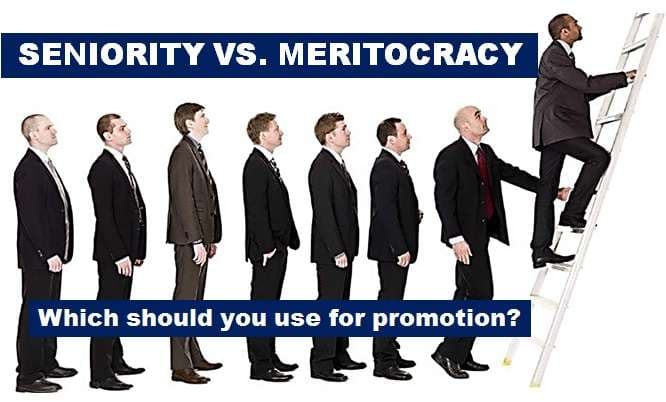
Goldman Sachs says advancement depends on merit, not seniority
Goldman’s merit language is a career test: advance by client impact, judgment and visibility, while promotion stays tightly selective and performance cuts remain part of the ladder.
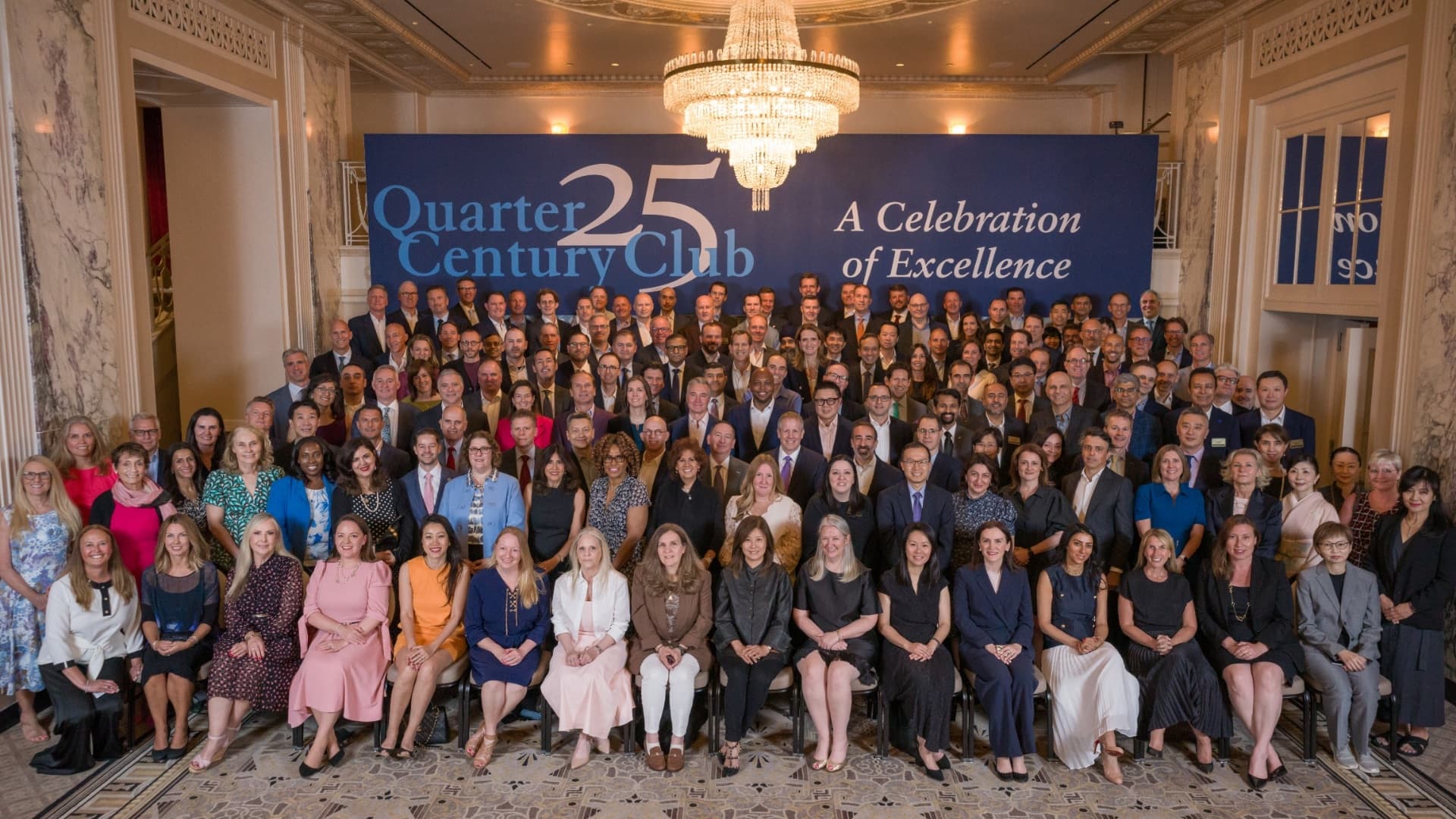
Goldman planned to promote 638 executives to managing director effective January 1, 2026, the highest number since 2021. For analysts, associates and VPs trying to read the room, the message is clear: advancement depends on merit, not seniority. The firm’s own language points to a culture where judgment, client impact and visible responsibility matter more than time served, even as the promotion funnel stays narrow and highly watched.
Merit is the rule, but the job is to prove it
Goldman’s Purpose and Values page frames the firm as aspiring to be the world’s most exceptional financial institution. It puts clients’ interests first, treats people, capital and reputation as the firm’s assets, and ties success to unswerving adherence to laws, rules and ethical principles. For employees, that translates into a simple but demanding standard: be useful to the client, protect the franchise, and make decisions that hold up under scrutiny.
The line that advancement depends on merit does a lot of work inside that framework. It means the people who move fastest are the ones who can take on more responsibility quickly, not the ones who simply wait their turn. In a Goldman setting, that usually shows up in how assignments get made, how feedback lands, and who gets trusted with live client work, because each of those moments becomes evidence of whether someone can handle more.
What Goldman’s old principles still require today
Goldman treats its 14 Business Principles as foundational more than four decades after John C. Whitehead wrote them down in 1979. Whitehead and John L. Weinberg were named co-heads in 1976, a reminder that the firm’s culture was shaped alongside its modern power structure, not after it. Those principles still frame the code in plain terms: client interests first, ethical conduct, and a reputation that cannot be treated like an abstract concept.
That history tells employees what the firm thinks merit actually looks like. Goldman would rather be best than biggest, and it values creativity, imagination and better solutions to client problems. In practice, that rewards people who do more than execute orders, people who can spot what a client really needs, sharpen the answer, and do it without cutting corners.
The firm’s 2001 diversity language sharpened the same idea by calling for Goldman Sachs to remain a "true meritocracy" with professionalism, cooperation and tolerance. Merit at Goldman is not just raw output in isolation. It is output that works inside a highly collaborative, reputation-sensitive business where a junior banker’s tone in an email, a VP’s handling of a difficult client, or an MD’s willingness to share credit can all become part of the performance record.
How the day-to-day career test works
If you are trying to move up, the real question is not whether you are busy. It is whether the people around you see you as someone who can own the work, not just complete it. That means getting more comfortable with client-facing responsibility, speaking up with a point of view, and showing that you can solve problems rather than escalate every issue upward.
Feedback matters in that system because merit has to be legible. A strong analyst or associate is not just technically solid; they make life easier for the team, anticipate what a senior banker needs next, and build the kind of trust that leads to better staffing on the next deal. At Goldman, the path forward is shaped by those repeated signals, not by a calendar alone.
That also explains why collaboration is central to the firm’s self-image. The code of conduct describes the core values as capturing the spirit of the 14 Business Principles, calls out Goldman’s people as what "set Goldman Sachs apart," and emphasizes a safe, inclusive and respectful workplace.
The promotion ladder is still tightly controlled
The firm’s own promotion mechanics show how selective the ladder remains. Even so, the number of people who reach managing director is limited relative to the size of the franchise, and the jump remains one of the clearest gates on the way toward the very top.
The managing director title is where the firm increasingly expects broader client ownership, internal influence and judgment under pressure, not just strong execution on assigned work. For employees, the promotion process is therefore less about pleasing one boss and more about building a reputation that travels across teams and deals.
The control on the ladder also shows up in the firm’s recent personnel decisions. Goldman planned small performance-based job cuts in April 2026 as part of its broader review process. Those cuts reinforce the other side of the system: underperformance is visible, and the review process is not designed to be purely automatic.
Why the money and governance still matter
In its 2025 annual report, Goldman generated $58.28 billion in net revenues and $17.18 billion in net earnings for the year ended December 31, 2025. A firm producing results at that scale has every incentive to keep performance pressure high, because the culture is tied directly to how much value it can pull from client relationships, capital deployment and talent.
Goldman’s 2026 annual shareholders’ meeting on April 29, 2026 came alongside a broader recalibration of how the firm talks about its people and values. Goldman dropped its diversity and inclusion section from its 2025 annual filing, and its five-year aspirational hiring and representation goals were set to expire in 2025, signaling a more cautious public language even as the firm keeps stressing merit and merit-based advancement.
This article was produced by Prism’s automated news system from verified source data, official records, and press releases, then run through automated quality and moderation checks before publishing. The system is built and supervised by the people who set the standards it runs under. Read our full AI policy.
Did this article answer your question?