Goldman Sachs says equity markets rebound as Iran conflict keeps rates volatile
Stocks have bounced, but rates are still moving. Dominic Wilson says that split shows Iran-related stress is still working through portfolios, client calls and risk desks.
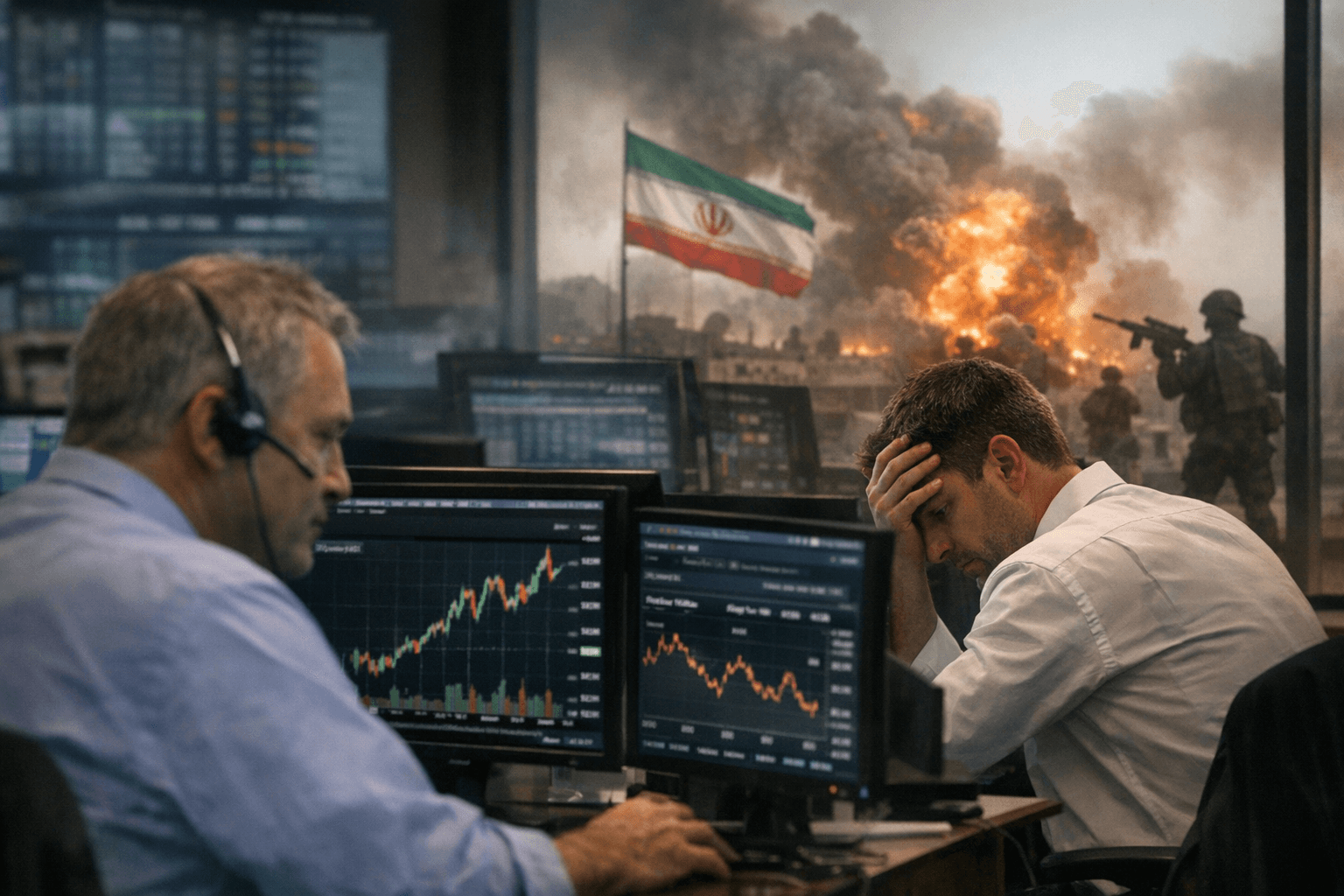
Equities are already recovering, but the bond market is still flashing stress. That divergence is the clearest sign, Goldman Sachs Research senior advisor Dominic Wilson said, that the Iran conflict is not simply fading into the background even as stock prices rebound.
Wilson laid out the view in Goldman’s latest Exchanges podcast, recorded on April 13 and published April 14, with host Allison Nathan. Goldman said the conversation focused on the Iran conflict, including the U.S. blockade of the Strait of Hormuz, and what it has meant for equities, rates, currencies and portfolio positioning.
For Goldman’s market teams, the split matters because it shows the damage is not being absorbed evenly. Goldman has said the war in Iran triggered the largest energy supply disruption in history, and in a separate March 27 episode it described shipping traffic in the Strait of Hormuz as nearly at a standstill. That is the kind of shock that can send traders, strategists and client-facing bankers back to the same question: whether the market is pricing a temporary flare-up or a longer geopolitical break in the macro story.
Goldman Research has said stocks have fallen and bond yields have spiked since the war began, but losses in balanced 60/40-style portfolios have stayed relatively small. Christian Mueller-Glissmann, another Goldman strategist, said the firm’s world-portfolio proxy, worth about $300 trillion, had dropped by around 5% since the war started, a much milder drawdown than in 2022. For employees who spend their days on portfolio, financing and hedging discussions, that is a reminder that headline resilience can still hide pockets of real strain.
The bank’s baseline case is that markets recover as growth expectations hold, the long-term inflation hit stays limited and policy easing continues. But the short-term risk is still very much alive, which is why rates volatility has become the cleaner tell than a stock-market bounce. In practice, that means more questions from clients about how to position around energy shocks, whether to stay in duration or cut risk, and how much geopolitical noise belongs in a portfolio that already has plenty of exposure to innovation and too little inflation protection.
For Goldman, the message inside the building is less about whether stocks have bounced and more about what the divergence says about conviction. A market that can shrug off one leg of the shock while rates keep reacting is not settled, and the internal conversation is likely to stay focused on how long that imbalance lasts.
This article was produced by Prism’s automated news system from verified source data, official records, and press releases, then run through automated quality and moderation checks before publishing. The system is built and supervised by the people who set the standards it runs under. Read our full AI policy.
Did this article answer your question?