Goldman Sachs says equity rally holds firm despite rate and AI jitters
Goldman is treating the AI trade as a funding and rates story, not just an equity call, and that shifts the pressure onto desks, syndicate, and client coverage.
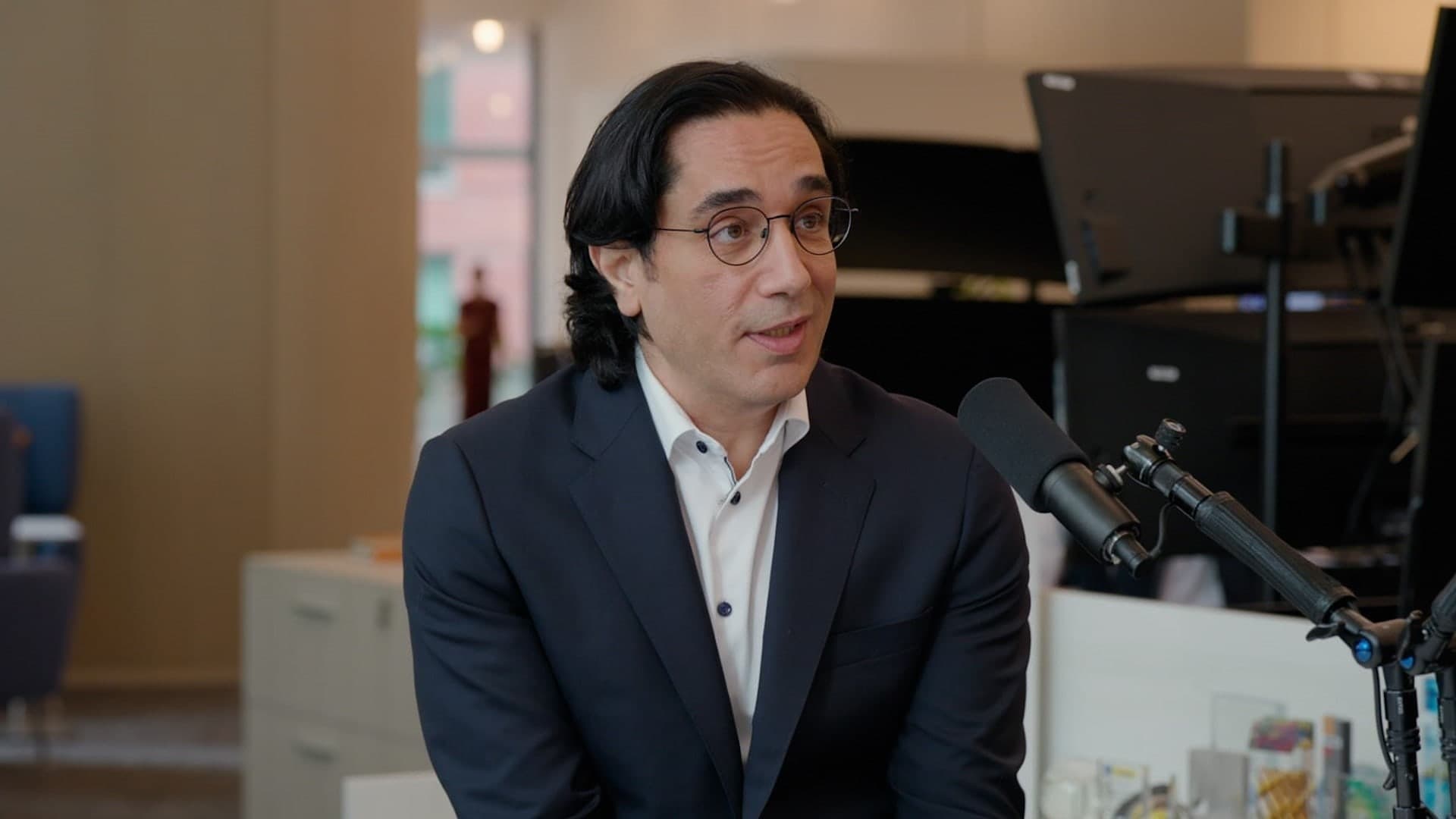
Goldman Sachs is telling clients the recent wobble in equities does not look like the start of a broader break in the rally. In a June 12 Markets conversation, Muhammad Qubbaj, co-head of U.S. Interest Rate Products in Global Banking & Markets, said the market still looks aligned with the data, with an economy that remains resilient for now.
That matters inside Goldman because the message is not simply bullish. It is selective. Qubbaj called the payrolls number “great” and said the CPI print “didn’t add volatility,” suggesting the firm sees recent macro releases as consistent with a market that can absorb higher rates without a full re-pricing of risk. He also framed the pullback as a confluence of higher rates, the Middle East conflict and crowded positioning, rather than one data point flipping sentiment.

For trading, sales and client coverage teams, that is a different operating posture than a blanket risk-on call. It implies conversations with investors are likely to stay focused on who can keep issuing paper, which sectors can absorb higher financing costs and where positioning has become too crowded to lean on. It also means Goldman’s rates desk and equity franchise are looking at the same problem from different angles: not whether AI is still working, but which parts of the trade can survive more debt, more supply and less forgiving rates.
Qubbaj’s view of AI was equally pointed. He said the theme has already produced “30 percent plus returns in equities so far,” calling it a generational opportunity, but he warned that much of the funding has come through debt capital. That makes the story vulnerable to sentiment shifts, especially if investors start to question whether the spending will translate into durable returns.
Goldman’s broader AI work reinforces that risk posture. The firm raised its combined capex forecast for Meta, Microsoft, Amazon and Alphabet to $5.3 trillion for fiscal 2025 through 2030, up from $4.5 trillion, and expects public, securitized and private markets to shoulder more of the financing load. Goldman strategists have also said hyperscaler spending could reach as much as $1.4 trillion in 2027, well above current analyst estimates around $920 billion.
For Goldman employees, that points to a franchise opportunity and a challenge at once. ECM bankers, syndicate teams and sector specialists are likely to face more demand from companies trying to finance AI buildouts at scale, while rates traders are watching how those issuance needs interact with Treasury supply and Federal Reserve expectations. Goldman has said investors are already rotating away from AI infrastructure companies where operating earnings are under pressure and capex is debt-funded, a sign that the next phase of the trade may reward firms that can separate real cash generation from capital intensity. The firm’s April U.S. equity outlook still pointed to a 6 percent rise in the S&P 500 to 7,600 by year-end, but the internal message is clearer than the headline: the rally can keep going, as long as the funding story holds together.
This article was produced by Prism’s automated news system from verified source data, official records, and press releases, then run through automated quality and moderation checks before publishing. The system is built and supervised by the people who set the standards it runs under. Read our full AI policy.
Know something we missed? Have a correction or additional information?
Submit a Tip