Goldman Sachs sees $3.8 trillion in M&A as AI reshapes dealmaking
Goldman sees pure M&A reaching $3.8 trillion, a signal that bankers should brace for a busier pipeline even as boardrooms stay cautious.
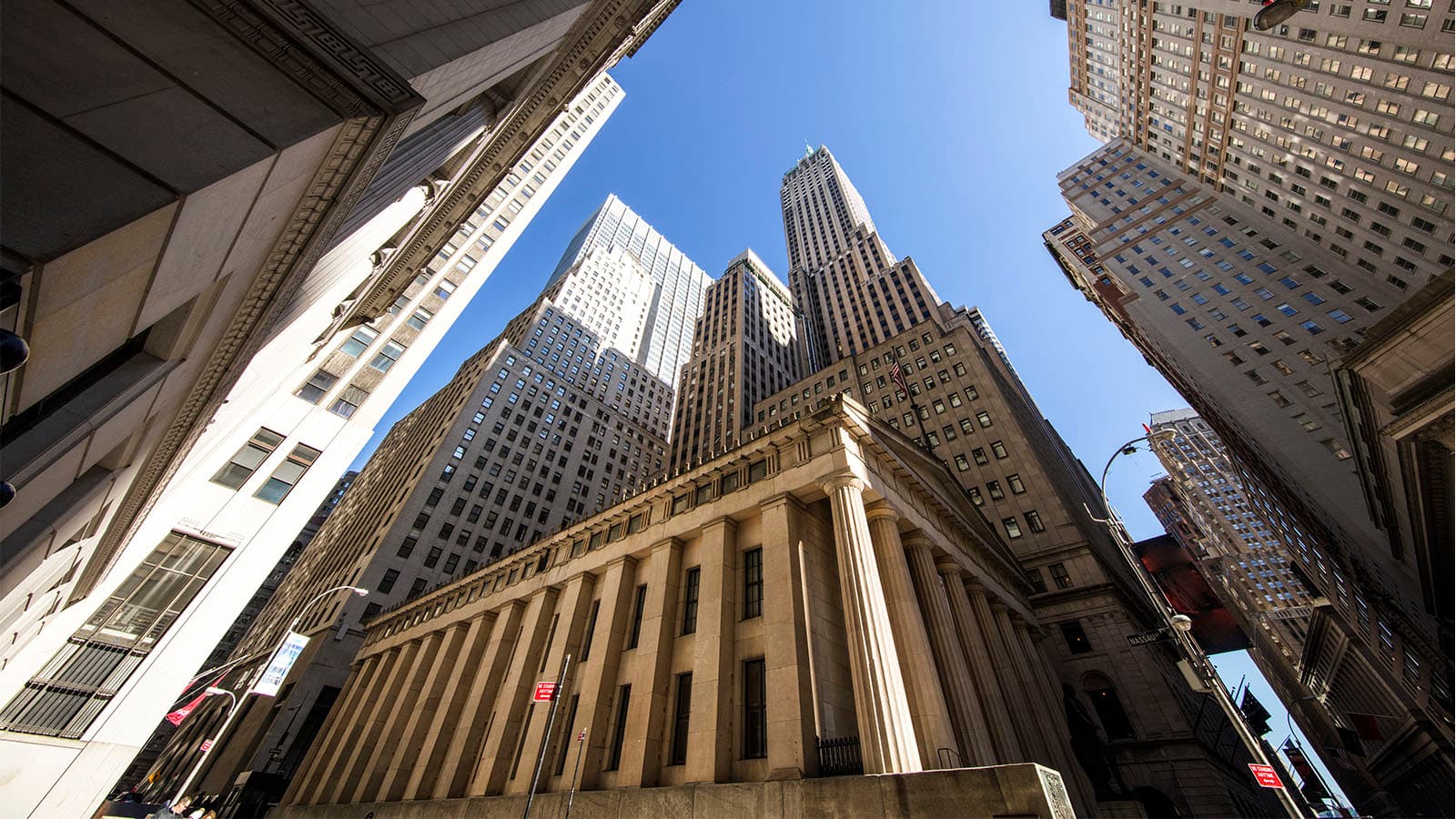
Goldman Sachs is betting the deal market has more room to run, even with policy swings and valuation doubt still shaping boardroom decisions. In its 2026 outlook, Goldman Sachs Global Banking & Markets said pure M&A volume could reach $3.8 trillion this year, a figure that excludes spinoffs, private company funding rounds and SPAC-related deals.
For bankers inside Goldman, the message is less about a headline number than about the kind of work that follows it. The firm said M&A cycles typically last six to seven years and the market is now in year four, suggesting the current rebound may still have several quarters to develop. That matters for analysts and associates on live coverage, who would see more outbound pitches, more diligence requests and more competitive pressure as rival banks chase the same mandates.
Goldman’s read is that the next wave of activity is being pushed by more than a simple risk-on mood. Artificial intelligence is changing strategic priorities, private equity owners are under pressure to sell portfolio companies, and companies are again looking at transactions that reshape capabilities rather than merely add revenue. The bank described the market as being driven by “strategic repositioning” and “building for scale,” with AI, abundant public and private capital, and a more constructive regulatory and economic backdrop supporting deal flow.
That shift has direct implications for capital markets and financing teams as well. Larger, more complex transactions usually bring bridge, debt and equity conversations into play earlier, which can pull more desks into the process and raise the stakes for execution. For managing directors and vice presidents, the forecast suggests clients may be willing to revisit transformational deals after a stretch of hesitation, but the work will still have to absorb volatility, policy changes and uneven pricing.
Goldman’s confidence is rooted in what happened in 2025. The bank said deals worth more than $10 billion rose 24% above the prior high set in 2021, and Goldman CFO Denis Coleman said in December that announced M&A was on track to become the second-biggest year in history industrywide. He also said financial-sponsor-led deal volume had risen roughly 40%, while Goldman booked a record $110 million advisory fee on Electronic Arts’ $55 billion take-private deal.
The firm is also looking beyond traditional corporate consolidation. Its 2026 outlook says activists are heading toward a five-year high in public campaign volumes, and that AI is broadening dealmaking into software, data centers, semiconductors, real estate, power and transmission. For Goldman employees, the practical takeaway is clear: the pipeline may be getting bigger, but the cycle is still being built in a market where uncertainty has not disappeared, it has only become part of the operating environment.
This article was produced by Prism’s automated news system from verified source data, official records, and press releases, then run through automated quality and moderation checks before publishing. The system is built and supervised by the people who set the standards it runs under. Read our full AI policy.
Did this article answer your question?