Goldman Sachs sees AI boom shifting to power and infrastructure bottlenecks
Goldman’s AI thesis now points past chips to power, cooling, and buildout capacity, and that shift could reshape which bankers own the next wave of mandates.
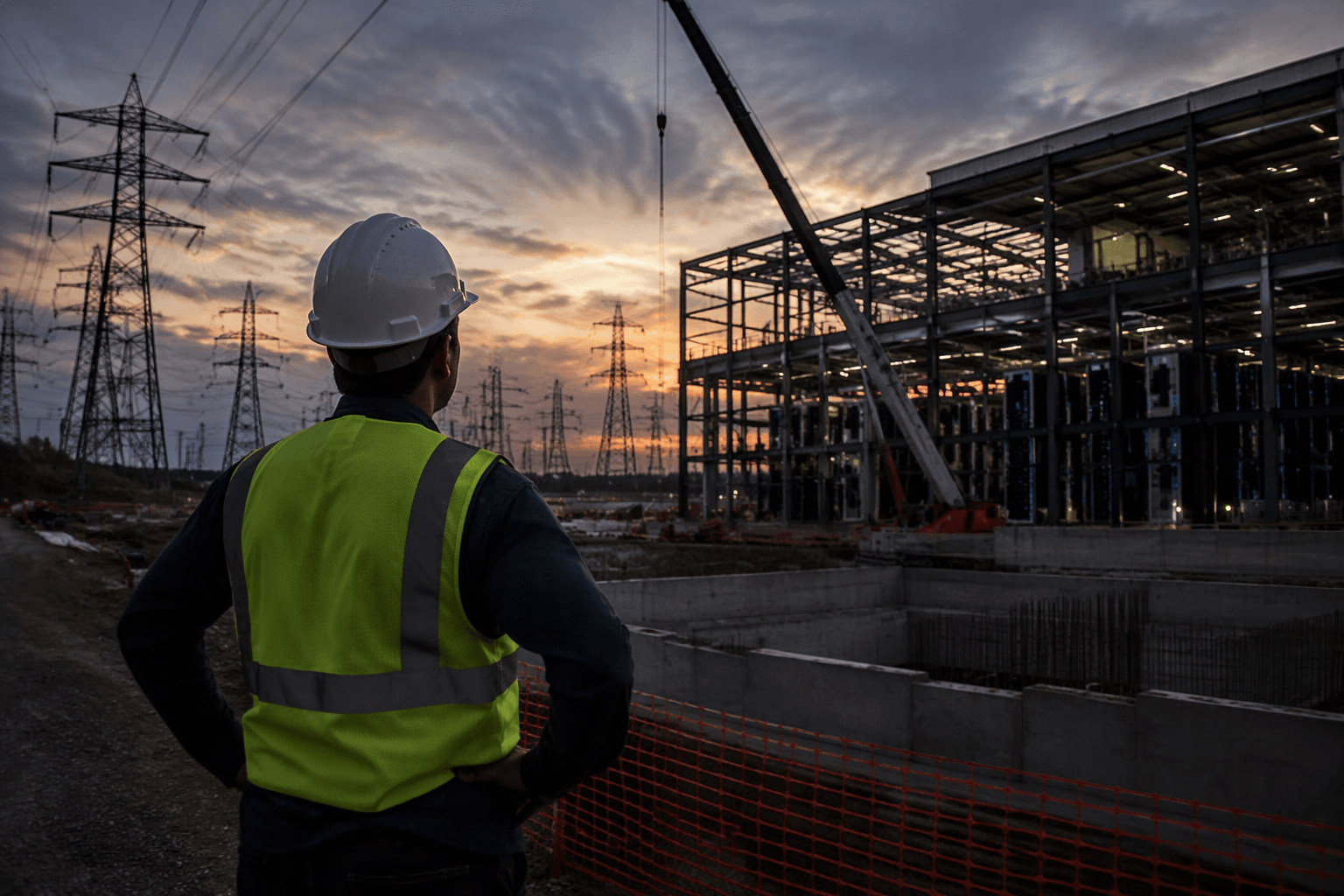
Goldman Sachs Research projected that data-center power demand from AI and non-AI use would grow 175% in 2030 versus 2023 levels. The constraint is no longer just access to chips, but the power, networking, cooling, memory, and physical infrastructure needed to keep model training and inference running at scale. Inside Goldman Sachs, that changes where the best work is likely to come from, because the next mandates are more likely to sit with utilities, grid equipment makers, data-center developers, optical networking vendors, and industrial suppliers than with another pure semiconductor trade.
What Goldman put on the page
Goldman Sachs Research first framed this issue in its 2024 report, "AI, data centers and the coming US power demand surge." The firm later raised its 2030-versus-2023 data-center power-demand growth estimate to 175%, from a prior estimate of 165%, in "Data Center Power Demand: The 6 Ps Driving Growth and Constraints." In Goldman’s framing, that jump would be equivalent to adding a top 10 consuming country.
The six forces Goldman laid out are Pervasiveness of AI, Productivity of servers and compute, Prices of electricity, Policy initiatives, Parts availability, and People availability. The bottleneck is not one clean technology problem. It is a chain of dependencies, from electricity pricing and permitting to the supply of parts and the labor needed to build and maintain the infrastructure.
Why power now sits at the center of the AI trade
The real shift for Goldman employees is that AI is no longer just a hardware story. Rising power density is disrupting AI infrastructure, which helps explain why cooling, network design, and siting can become binding constraints even when chips are available. Goldman has returned to the theme in "How AI Is Transforming Data Centers and Ramping Up Power Demand," "Is There Enough Data Center Capacity for AI?," "US Data Center Power Demand Projected to Double by 2027," and "Data centers could boost European power demand by 30%." The issue stretches across the United States and Europe.
A crowded semis conversation often collapses AI into a race for GPUs, but the opportunity set is more granular, with power density, latency, cooling, and memory shaping the economics of deployment.
Where deal flow shifts inside Goldman
When the bottleneck changes, the client list changes with it. If the limiting factor is infrastructure rather than compute alone, bankers need to think about which clients can finance, acquire, or partner to solve the constraint, and that opens the door to more mandates in utility financing, grid equipment, generation, data-center development, optical networking, and industrial plumbing around AI clusters. It also means the easy sell around chips and hyperscalers gets less interesting, because many investors and clients are already crowded into those names.

Analysts and associates building industry work now need a model that includes power demand, transmission, cooling loads, and data-center siting, not just semiconductor supply chains. VPs and managing directors can turn that into a stronger pitch because it connects AI to capital expenditure cycles, financing needs, and potential M&A among the companies solving these buildout problems.
Which teams gain leverage
The employees who gain the most leverage are the ones who can translate an infrastructure constraint into a transaction. Power and infrastructure specialists can explain how grid upgrades, generation additions, and utility relationships create funding needs. Data architects and technically fluent coverage teams can show why memory, latency, and cooling are inseparable from the economics of large-scale AI deployment, while dealmakers can package financing, acquisition, and partnership options into a single client conversation.
Compliance, permitting, and risk teams also move closer to the center because the six Ps make policy initiatives and people availability part of the bottleneck. A data-center project is not just a balance-sheet story when it depends on land use, power interconnection, labor availability, and regulatory approvals. In that environment, the people who can navigate process friction become more valuable, not less.
The work that gets staffed, the ideas that get traction, and the pitches that win live mandates are the ones that connect a macro AI theme to an executable transaction. That is the kind of thing that shows up in bonus discussions, because it creates revenue that can be traced back to a specific thesis and a specific team.
Why the wider market is catching up
The theme is no longer confined to Goldman’s research product. The shorthand in market commentary has become that AI’s next bottleneck is not just chips but America’s power grid, and Ford’s CEO has gone so far as to call the situation a "full-blown" crisis. Energy and infrastructure have moved from a specialist concern into a mainstream corporate problem that can alter project timing, capex planning, and siting decisions.
Goldman’s broader research trail points in the same direction. The firm has repeatedly returned to the power side of AI.
This article was produced by Prism’s automated news system from verified source data, official records, and press releases, then run through automated quality and moderation checks before publishing. The system is built and supervised by the people who set the standards it runs under. Read our full AI policy.
Did this article answer your question?