U.S. Department of Labor posts proposed exemption for Goldman Sachs‑related asset managers tied to GS Malaysia FCPA conviction — comment period opens
Goldman's first post-1MDB ERISA exemption expires June 8; DOL proposed a five-year renewal after GS sought lighter conditions. Comments due May 14.
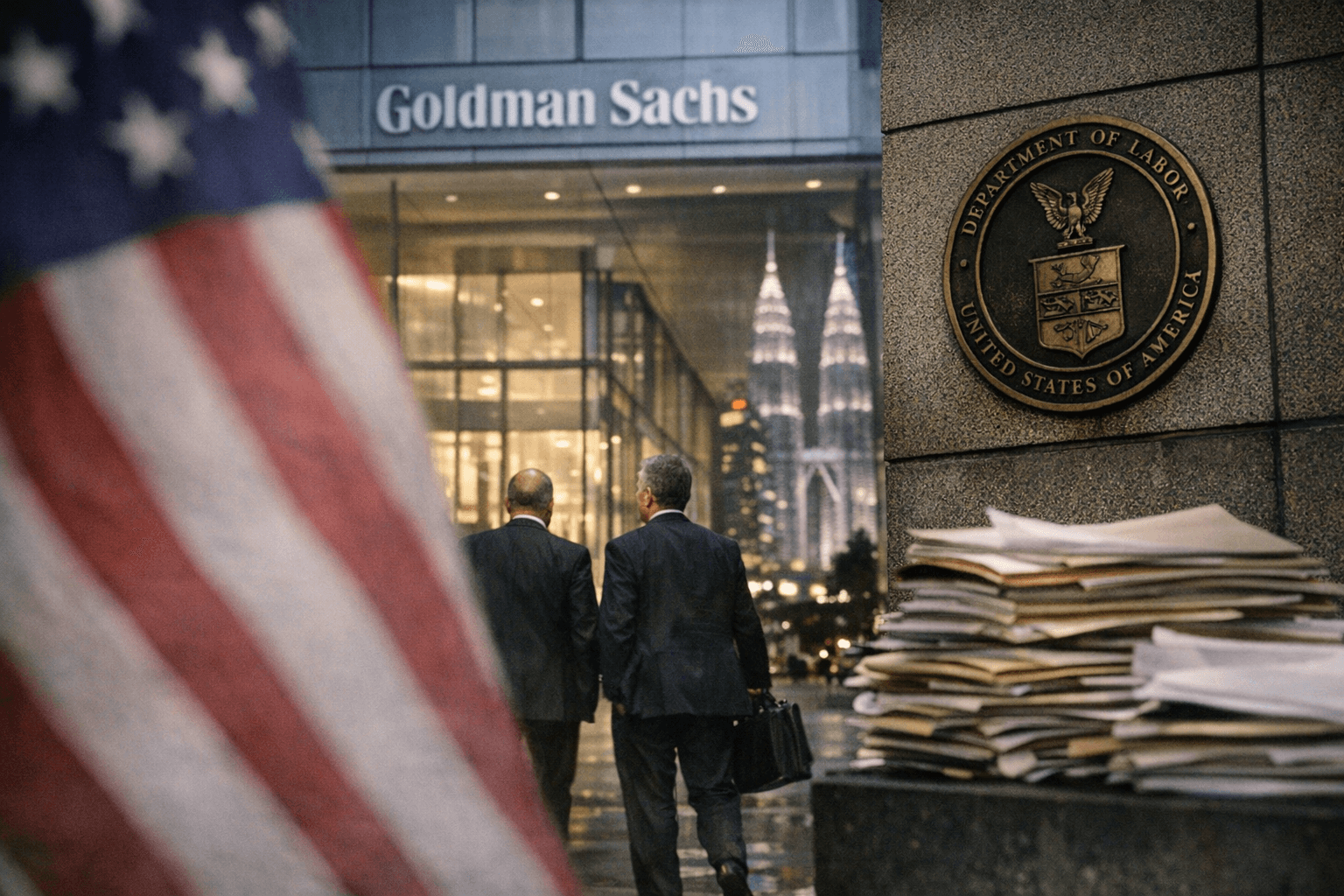
The U.S. Department of Labor's Employee Benefits Security Administration published a proposed exemption on April 2 that would allow Goldman Sachs-affiliated asset managers to continue serving retirement plan clients under Prohibited Transaction Exemption 84-14, clearing a second five-year runway that the firm's GSAM teams need well before a critical deadline next month.
The urgency is structural. Goldman Sachs (Malaysia) Sdn. Bhd. entered a guilty plea in the Foreign Corrupt Practices Act matter linked to the 1MDB scandal on June 9, 2021. That conviction triggered an automatic disqualification from PTE 84-14, which is the federal exemption allowing qualified professional asset managers to receive fees for managing employee benefit plan assets without running afoul of ERISA's prohibited transaction rules. EBSA responded by granting the firm a first five-year exemption, PTE 2021-02, which expires June 8, 2026. With that window now closing, Goldman applied on August 18, 2025 for a continuation. The proposed notice, filed under Application No. D-12122, would extend relief from June 9, 2026 through June 8, 2031.
One detail in the Federal Register filing is worth particular attention for legal and compliance teams: in its August 2025 application, Goldman requested fewer conditions than EBSA has imposed on comparable PTE 84-14 Section I(g) individual exemptions in recent years. The Department did not simply accept that request, and the proposed exemption sets out its own condition structure, meaning the final terms remain subject to public input before they are locked.
The comment period, open through May 14, 2026, is the operative deadline for anyone with a stake in those conditions. Employees who serve as fiduciaries for corporate retirement plans, or who work institutional coverage of plan clients, can route substantive concerns into EBSA's rulemaking record through the firm's legal and regulatory channels. The notice also describes the process for requesting a public hearing.
For teams in GSAM, Private Wealth Management, and institutional sales, the commercial logic is straightforward: without access to PTE 84-14, Goldman-affiliated asset managers face real constraints on how they structure fee arrangements with pension funds and 401(k) plans, which are core institutional accounts. A denial or material narrowing of the exemption could prompt plan sponsors to reallocate assets away from Goldman-affiliated funds, a move that would translate into reduced revenue for distribution and portfolio management teams and, eventually, pressure on bonus pools in those functions.
The compliance calendar is already filling up. Any conditional exemption carries disclosure, monitoring, and reporting requirements, and ERISA advisory, audit, and operations teams should be treating the D-12122 docket as priority work now. Client-facing employees handling plan accounts should coordinate with Legal before responding to sponsor inquiries rather than freelancing answers on the firm's PTE 84-14 status.
The 1MDB matter has now structured Goldman's ERISA compliance posture for five years running and, if this renewal is granted, will continue to do so until at least 2031. EBSA's willingness to propose a second conditional exemption rather than an outright bar reflects the agency's recognition that abruptly cutting plan participants off from Goldman-affiliated managers carries its own costs. How tightly the final conditions are drawn will depend, in part, on what EBSA hears before May 14.
This article was produced by Prism’s automated news system from verified source data, official records, and press releases, then run through automated quality and moderation checks before publishing. The system is built and supervised by the people who set the standards it runs under. Read our full AI policy.
Did this article answer your question?