Democrats press Home Depot on passing tariff refunds to shoppers
Democrats are pressing Home Depot to say whether any tariff refunds would lower shelf prices, fund inventory, or stay on the balance sheet, as a new refund portal opens.

If Home Depot recovers tariff money, the immediate question is whether shoppers see lower shelf prices, whether the company uses the cash to refill inventory, or whether the benefit stays with the balance sheet and future investment plans. That is the pressure point 15 House Democrats put on the retailer and other major sellers and shippers as Washington begins sorting through possible tariff refunds.
The lawmakers, led by Rep. Steven Horsford of Nevada and Rep. John B. Larson of Connecticut, sent letters on April 23 to the CEOs of Walmart, Home Depot, Target, Best Buy, FedEx, Amazon, Lowe’s, Costco, UPS and DHL. Larson’s office said the group was worried there was no clear process to make sure an estimated $175 billion in tariff refunds reaches small businesses and American families. The central demand was simple: if companies get money back, what happens next, and does any of it reach consumers?
The timing matters because U.S. Customs and Border Protection said it has begun phase 1 of its CAPE refund system inside ACE, with the first stage launching April 20. For now, the process is limited to certain unliquidated entries and some entries within 80 days of liquidation. Importers of record and authorized customs brokers must use ACE Secure Data Portal accounts and file CAPE declarations in CSV format, which means the path from policy reversal to cash is bureaucratic, technical and not automatic.
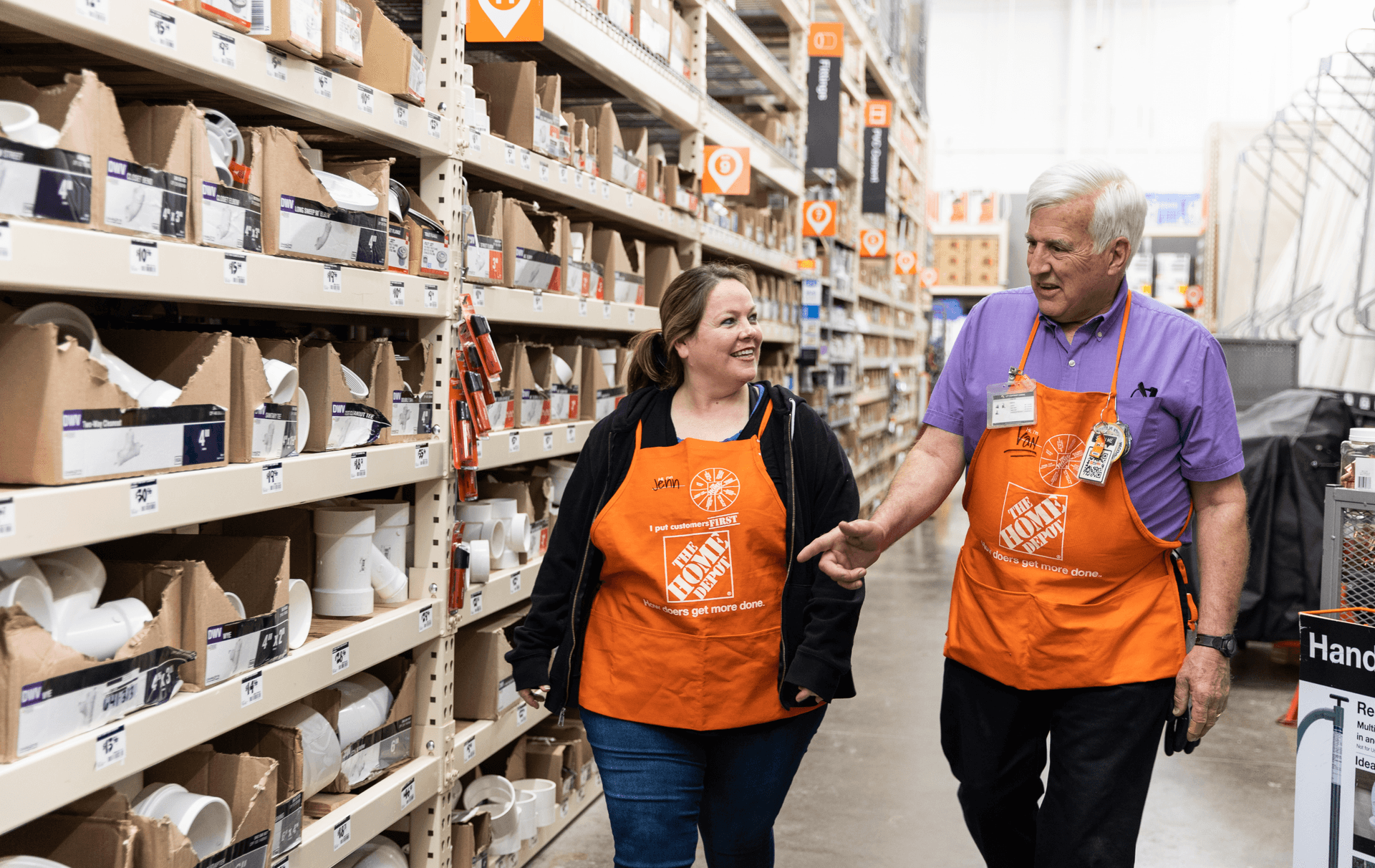
Home Depot is a particularly important test case because of its size and pricing posture. The company said first-quarter fiscal 2025 sales reached $39.9 billion, up 9.4% from a year earlier, with comparable sales down 0.3% overall but up 0.2% in the U.S. At the end of that quarter, it operated 2,350 retail stores and more than 790 branches. CEO Ted Decker said customers remained active in smaller projects and spring events, the kind of traffic that can quickly expose any change in pricing or stocking strategy.
That backdrop makes the company’s pricing stance harder to ignore. In May 2025, Chief Financial Officer Richard McPhail said Home Depot intended to generally maintain its current pricing levels across its portfolio. He also said more than half of the company’s products were sourced domestically and that no single country outside the U.S. was expected to account for more than 10% of purchases within a year. If tariff refunds arrive, that mix could shape whether the money shows up as lower prices on core products, supplier credits, or a margin cushion that helps fund inventory and operations.
The politics are being driven by the same math. Yale Budget Lab research cited by lawmakers estimated tariffs can amount to about $1,700 in short-run household losses, while another estimate put the 2025 tariff regime at an average household loss of about $3,800 in 2024 dollars. That is why Congress is asking retailers to spell out their plans now, before tariff refunds become just another line item absorbed into corporate earnings instead of a visible break for shoppers.
Know something we missed? Have a correction or additional information?
Submit a Tip