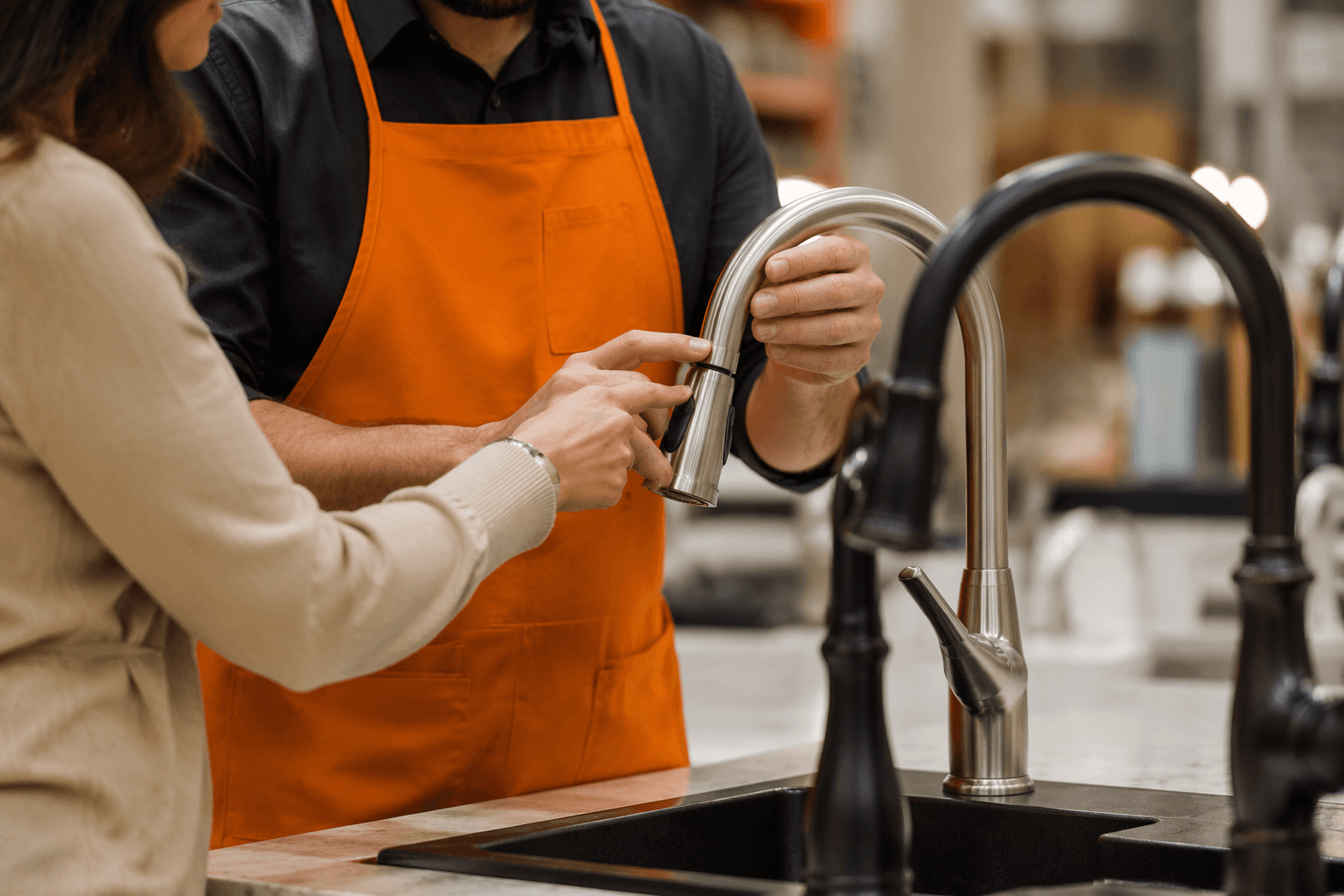
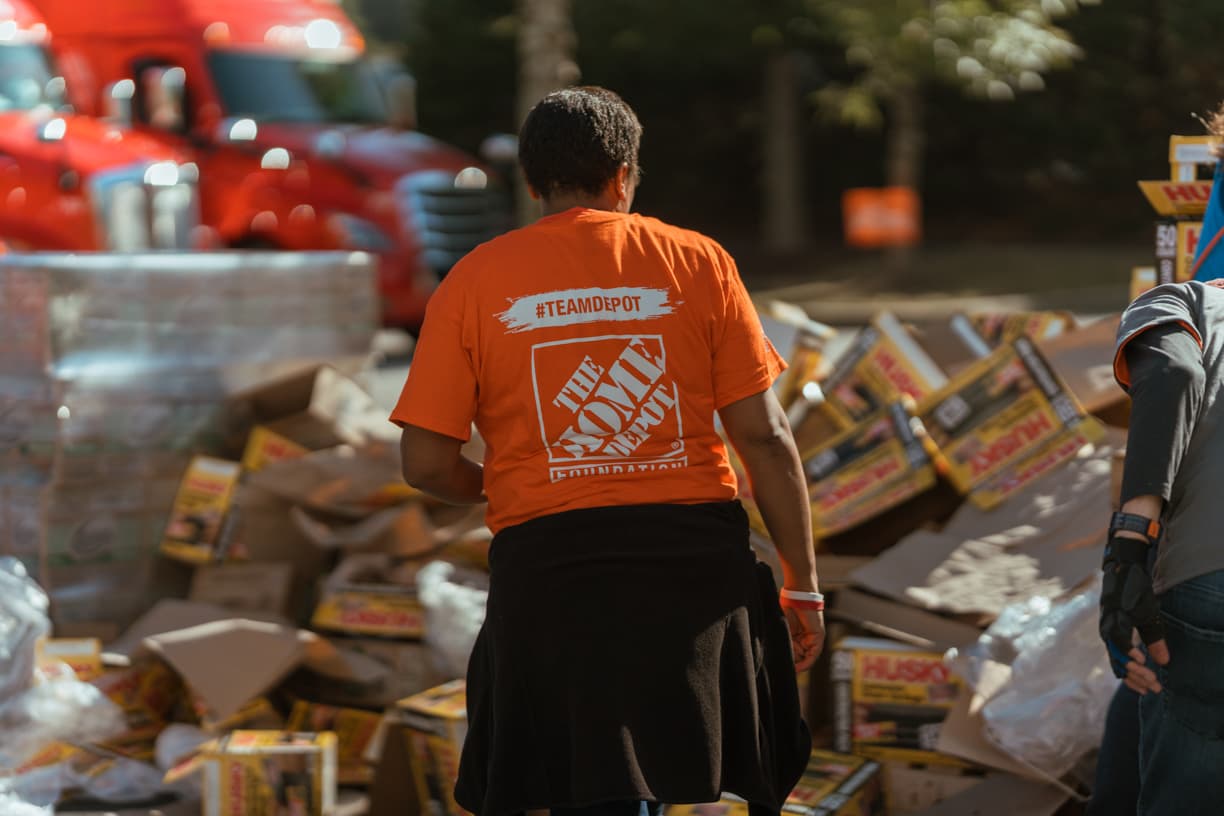
Home Depot Highlights Freight and Receiving Roles Behind Store Availability
Freight and receiving keep Home Depot shelves full, aisles clear, and pickup orders moving. The work matters long before a customer reaches the front door.
Behind the aisles, the store is being decided
At Home Depot, freight and receiving are the jobs that turn delivery trucks into a store customers can actually shop. When those associates do the work right, product lands where it should, aisles stay clear, and a customer walking in for one item does not leave with a stalled project and a wasted trip.
That is why the company treats this role family as more than back-room labor. Freight and receiving associates are there to make sure the store is stocked and ready for business every day, and the work is tied directly to customer experience, not just to moving boxes.
What freight and receiving really cover
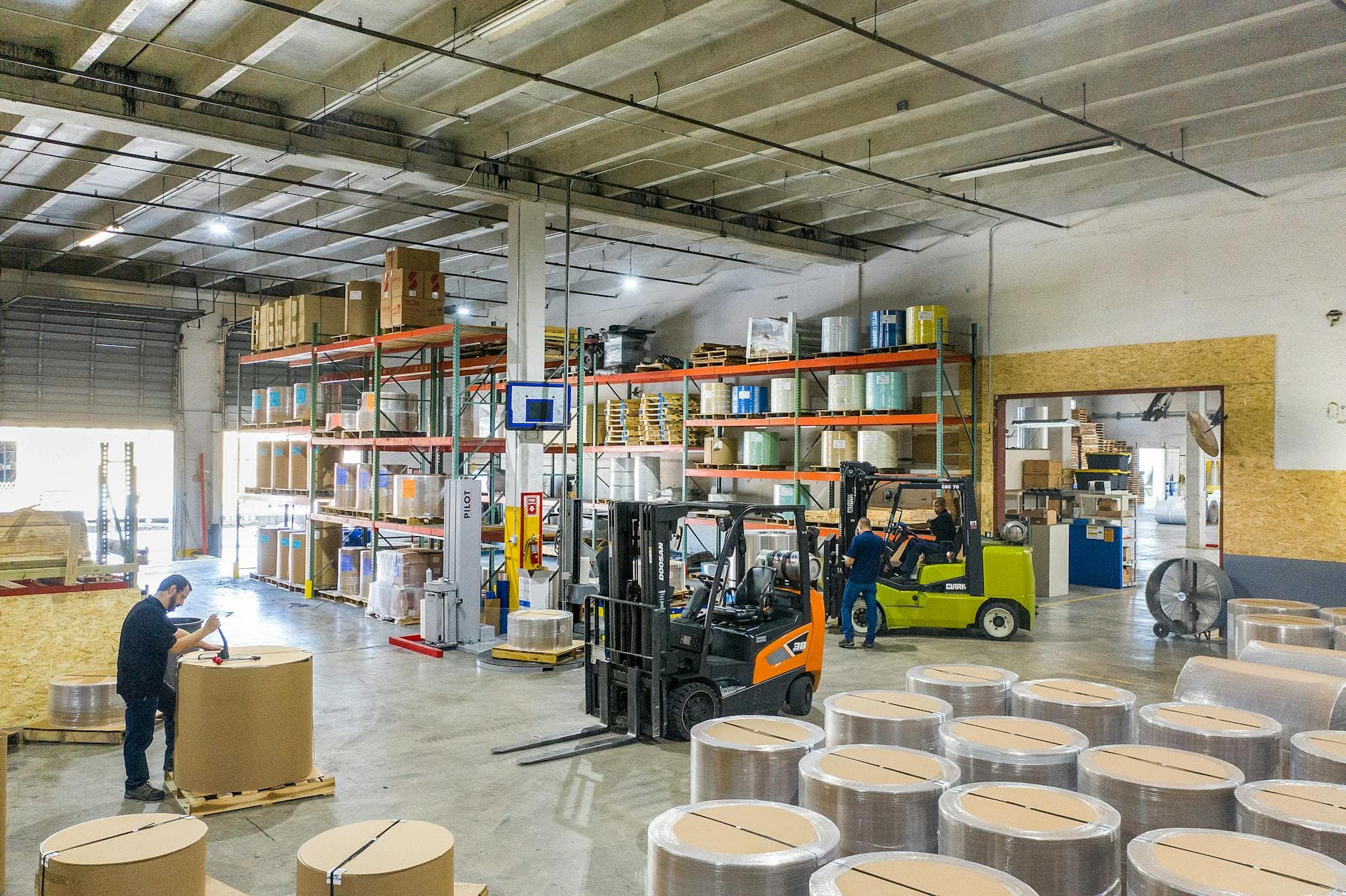
The job description is straightforward, but the impact is wider than it looks. Freight associates load and unload trucks, move material from the receiving area throughout the store, may operate forklifts, and may help maintain proper on-hands and pricing. In a store that sells everything from fasteners to flooring, that means the role touches inventory accuracy, shelf readiness, and the basic credibility of the sales floor.
Home Depot also describes freight and receiving jobs as offering set schedules, competitive pay, bonus eligibility, and on-the-job training. For associates who want a role with structure and visible results, that combination matters. You can see the effect of your work the same day: a pallet breaks down, a bay gets filled, and the next shopper does not have to ask three different people where the product went.
How a shift moves product into customer-ready inventory
The clearest way to understand the job is to follow the flow of a shift. Product arrives, the receiving area sorts it, and freight teams turn that inbound stock into something the sales floor can use. That often means shifting items from the back room to the right department, getting them onto shelves, and keeping the floor organized so the store looks ready before customers start coming through.
This is also where the role protects the customer experience in small but important ways. A missing item can stop a bathroom renovation, slow down a contractor job, or send a customer back to the service desk looking for answers. A strong freight team reduces that friction by making sure product is where it belongs, when it belongs there, and in the quantity the store says it has.
The work is physical, but it is also precise. When associates help maintain proper on-hands and pricing, they are doing more than stocking. They are making sure the system, the shelf tag, and the actual product count match reality, which is one of the easiest ways to keep trust from breaking down on the sales floor.
Why store managers should care first
At Home Depot’s scale, freight and receiving are not isolated departments. The company says it is the world’s largest home improvement retailer, with fiscal 2025 net sales of $164.7 billion and earnings of $14.2 billion, and more than 2,300 retail stores across the United States, Canada, and Mexico. Its 2025 first-quarter store map shows 2,028 U.S. retail stores alone, which gives a sense of how much day-to-day readiness has to work at once.
That is why the annual report’s line that “knowledgeable associates and on shelf availability are critical to the store experience” lands so hard. When the back end is late or disorganized, the front end feels it immediately, as out-of-stocks, cluttered aisles, and more customer-service escalations. When freight is tight and consistent, the whole store feels calmer, faster, and easier to shop.
For managers, that means freight is not just a staffing line. It is one of the most direct levers for reducing friction across departments. If the receiving process slips, departments feel it. If the overnight team leaves an aisle unfinished, morning shoppers feel it. If inventory and pricing are off, the customer hears about it at the service desk.
The overnight connection is bigger than stocking
Home Depot’s overnight team page makes the operational link even clearer, saying overnight freight and merchandising associates help keep stores running and, from receiving product to organizing aisles, get the store ready for customers. That is the hidden benefit of overnight freight: it lets the store reset itself before the next rush, whether that rush comes from a contractor at opening or a weekend homeowner chasing a project deadline.
This matters more now because the store itself is becoming more connected to pickup and fulfillment. Home Depot’s 2024 annual report points to self-service lockers, online order storage areas, curbside service, electronic shelf labels, and front-end redesigns as part of its store investments. None of those systems work well if freight and receiving cannot keep the inventory, storage, and floor presentation aligned.
In practice, that means the freight team is feeding more than shelves. It is feeding order pickup, curbside handoff, and the customer promise that an item shown as available will actually be ready when needed. The modern store depends on that chain being reliable.
Why the role can be a first step, not just a stopgap
The company’s career materials frame freight as a job family with career growth opportunities to advance into leadership roles. That is one reason the work deserves more respect than the title alone might suggest. Associates learn how product moves through a retail operation from dock to floor, and that knowledge can translate into merchandising, supervisory, or logistics roles later on.
For people who like structure, repetition, and visible results, freight and receiving can be a strong entry point. The pace is real, the work is hands-on, and the standards are immediate, but the payoff is also immediate. A successful shift means the store opens cleaner, the shelves are fuller, and the next customer has a better chance of finishing the project that brought them in.
That is the part shoppers rarely see. Freight and receiving are where store readiness gets built, one truck, one pallet, and one correctly placed item at a time. In a business this large, that hidden work is not behind the experience. It is the experience.
This article was produced by Prism’s automated news system from verified source data, official records, and press releases, then run through automated quality and moderation checks before publishing. The system is built and supervised by the people who set the standards it runs under. Read our full AI policy.
Know something we missed? Have a correction or additional information?
Submit a Tip