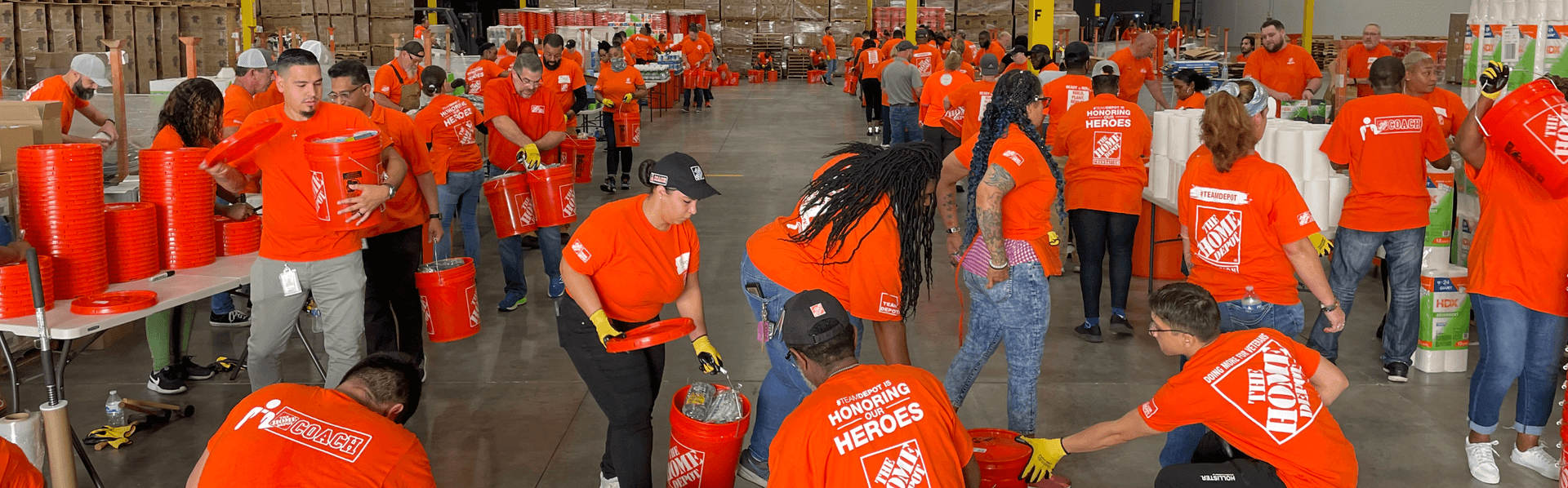
Home Depot highlights support roles as a path to career growth
More than 65,000 Home Depot associates moved up in 2022, and the company says support roles can be the next step off the sales floor into supervision and customer-experience work.

Why the support page matters to your next move
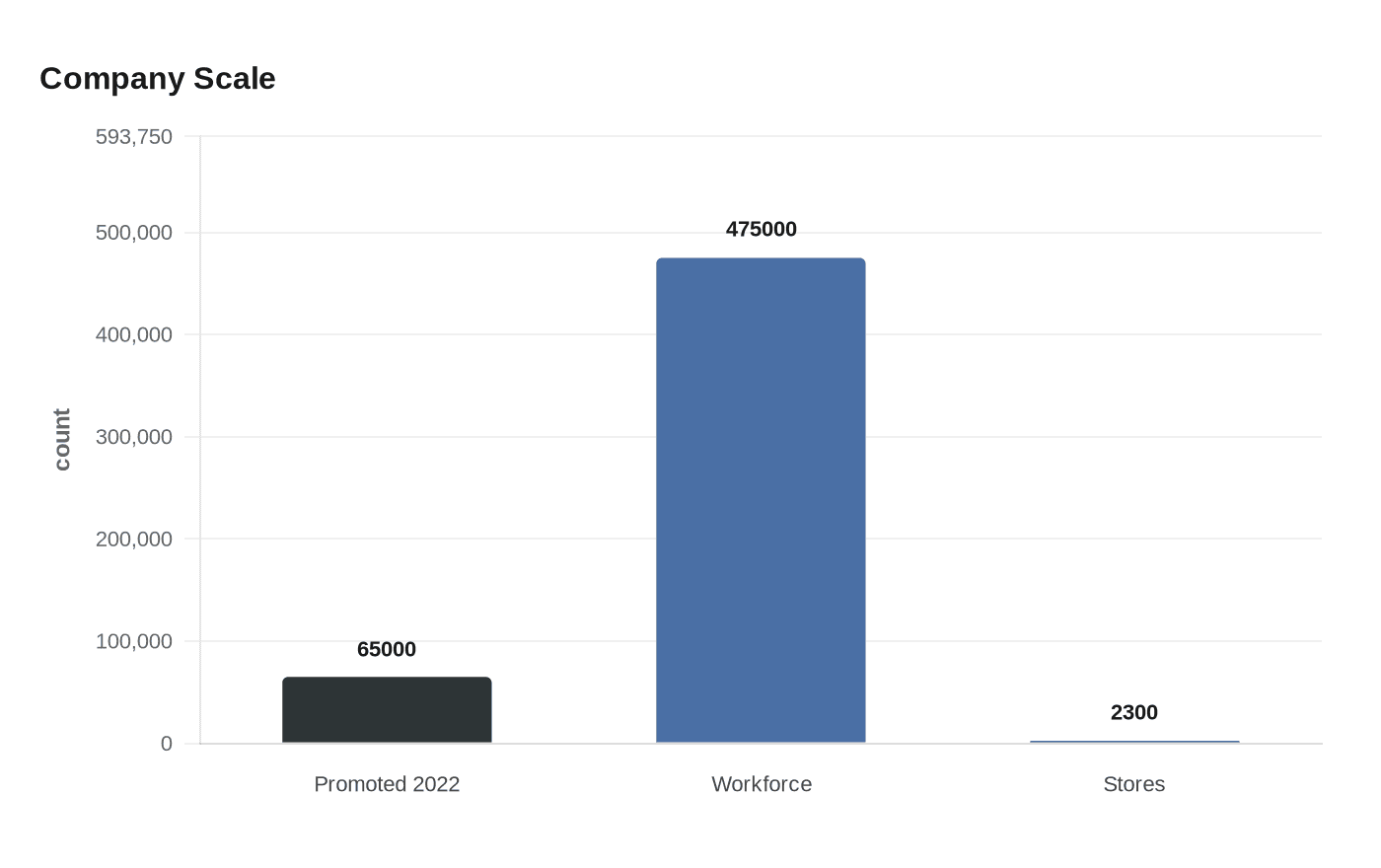
Home Depot says more than 65,000 associates were promoted into positions of increased responsibility in 2022, and it says 90% of store leadership started as hourly associates. That is the clearest sign that the company’s internal-mobility pitch is not just a slogan, especially in a workforce of about 475,000 associates across more than 2,300 stores in North America.
For anyone trying to move off the sales floor without leaving the company, the support-associate page reads like a practical map. It lays out jobs that keep the store running, then connects those jobs to leadership paths the company wants associates to see.
What counts as a support role
The company defines support work broadly, but the core jobs it names are Office Associate, Order Fulfillment Associate, Customer Service Representative and Associate Coordinator. Those titles are not flashy, but they are the jobs that keep transactions moving, curb chaos in the aisles and make sure customer orders, paperwork and store coordination do not fall apart when traffic spikes.
The page also points to support jobs in Plumbing, Electrical, Building Materials, Flooring and Hardware. That matters because it tells associates with trades knowledge that their know-how has value beyond the sales floor: they can guide customers, keep operations smooth and translate real-world product understanding into a steadier role inside the store.
Why trades knowledge is a career asset, not just product expertise
Home Depot is making a specific argument here: if you already know how a plumbing supply chain works, can explain electrical parts, understand flooring installs or speak confidently about building materials, you are not starting from zero in a support role. You are bringing the kind of practical knowledge that can make you more useful to contractors, pros and DIY customers alike.
That is a meaningful signal for associates who came into the company from the field, from a trade school background or from years of hands-on work. In other words, the company is not only rewarding retail polish. It is also saying that skilled-trades fluency, product familiarity and the ability to solve problems quickly are assets that can move you into a more stable lane.
The schedule promise is concrete
One of the most useful details on the support page is simple: full-time support associates have a consistent schedule, with morning, afternoon and evening shifts available and ample notice. That is a real operational difference for workers who want predictability, especially in retail where schedules can feel volatile and personal planning often depends on the next posted shift.
For employees balancing school, family care or a second job, that kind of notice can matter as much as title changes. It suggests Home Depot knows that a mobility pitch lands better when it improves daily life, not just resume language.
Where the advancement path looks real, and where it gets vague
This is where the page is strongest. Home Depot says structured pathways can move associates from entry-level roles into leadership positions such as Department Supervisor or Customer Experience Manager. That gives workers a concrete destination, not just a general promise to “grow.”
The company’s growth page adds a few practical steps: start with your current role, explore options, sign up for job alerts and talk with HR partners about available paths. That is useful, but it is also broad. The page tells you where to begin, but not always exactly what performance markers, training milestones or timeframes will get you there.
For associates trying to read the pitch honestly, that distinction matters. The concrete part is the existence of feeder roles and named leadership jobs. The vaguer part is the pathway between them, which still depends on local openings, manager support and whether your store has a bench-ready next step.
What the broader company message says about movement
The support page does not stand alone. Home Depot’s retail jobs page says in-store roles are good for growth opportunities, and its warehouse jobs page says distribution-center work offers on-the-job learning and career expansion as part of a growing supply chain. Taken together, the company is signaling that movement can happen across the store, into the back end or into logistics, depending on your skills and timing.
That matters for department leads and store managers because retention is no longer just about keeping a solid associate on one aisle. A strong order-fulfillment worker, customer-service associate or office associate may be part of your next supervisor pool. The internal mobility pitch is also a staffing strategy: if associates see a future, they are more likely to stay.
The trades pipeline behind the pitch
Home Depot’s support-role messaging also sits inside a bigger trades strategy. The company launched Path to Pro in 2021 to address the U.S. skilled-labor shortage, and in 2023 the Home Depot Foundation announced an incremental investment of more than $6 million in skilled-trades training. The company has also pointed to nearly 400,000 construction-industry openings and later said there are more than 400,000 open jobs in fields like carpentry, plumbing, electrical and HVAC, with 40% of current construction workers expected to retire by 2031.
That broader context helps explain why support roles in Plumbing, Electrical, Building Materials, Flooring and Hardware matter so much. Home Depot is trying to keep workers connected to the trades ecosystem, whether they want to stay in store operations or eventually move into a skilled field outside it. For associates with trades pride, that is more than a retail talking point. It is a reminder that product knowledge can still be a career bridge.
Why this also speaks to veterans and career changers
Home Depot has used similar language around veterans and transitioning service members. The company said its Military Relations team supported 35,000 veteran and military-spouse associates in 2020, and in July 2023 it launched an online guided version of MISSION TRANSITION for service members entering civilian work.
That makes the support-role pitch especially relevant for people who are used to structure, process and customer-facing responsibility. Military experience often translates well to order flow, operational discipline and team coordination, which are all central to support work. For a veteran or a career changer, a support role can be a credible entry point into a longer Home Depot career.
The bottom line
Home Depot’s support-associate page is most useful when you read it as a career-navigation tool, not a glossy overview. It points to specific jobs, names real leadership destinations and gives associates a few actionable next steps, while the company’s promotion history and hourly-to-leadership pipeline show that the path is not imaginary.
The stronger case is not that every support associate will become a manager. It is that at Home Depot, product knowledge, customer service and trades experience can still turn into movement, and in a company this large, that kind of mobility changes what an hourly job can become.
This article was produced by Prism’s automated news system from verified source data, official records, and press releases, then run through automated quality and moderation checks before publishing. The system is built and supervised by the people who set the standards it runs under. Read our full AI policy.
Did this article answer your question?