Home Depot highlights the roles that keep stores running
The real customer experience starts before opening, when freight, fulfillment, and support teams turn trucks into stocked aisles, pickup orders, and clean handoffs.
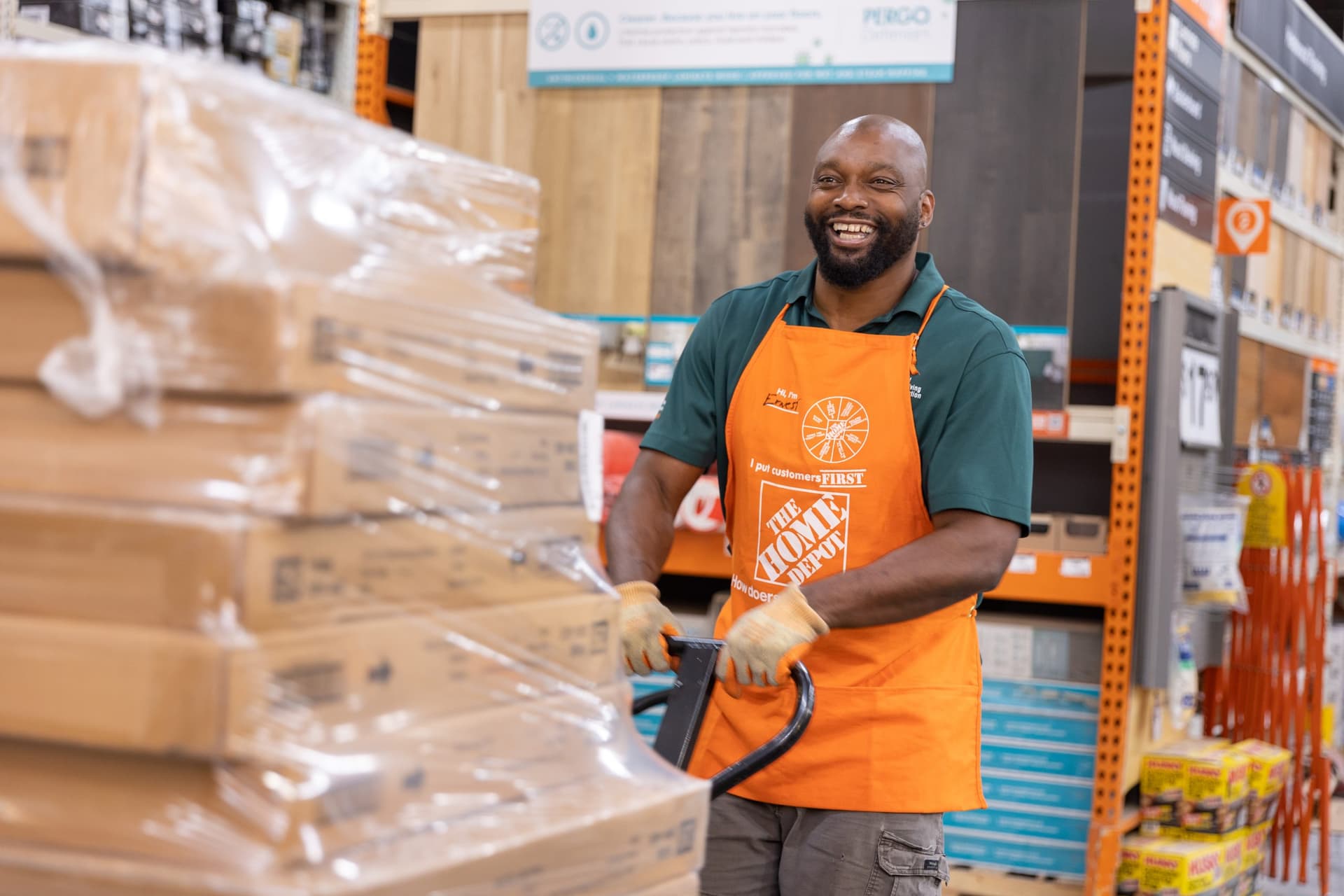
Home Depot’s store-readiness story starts in the work customers rarely see. Before a shopper asks for paint, lumber, or a pickup order, freight, receiving, store support, and fulfillment have already shaped whether the building feels organized, stocked, and fast or scattered and behind. The company’s own retail jobs page makes that invisible labor explicit: the store is not just a selling floor, it is a coordinated operation built around stocking, staging, pricing, compliance, and handoff.
The roles that keep the store moving
Home Depot breaks store work into distinct jobs for a reason. Freight or Receiving associates keep the store stocked and ready for business every day. Store Support covers non-sales functions such as order fulfillment, lot assistance, administrative services, customer order status, cash management, and program compliance. The company also lists Merchandising, Cashier, Customer Service/Sales, and Order Fulfillment as separate roles, which is a reminder that a smooth shopping trip depends on more than the front end.
That separation matters on the floor. A cashier can move a line only if the product is actually on the shelf. A department associate can answer a tool question only if the bay is priced correctly, the inventory is accurate, and the aisle is cleared enough to shop. A manager trying to make a store feel ready is really managing a chain of jobs that has to click in sequence, from the receiving door to the checkout lane.
From the truck door to the sales floor
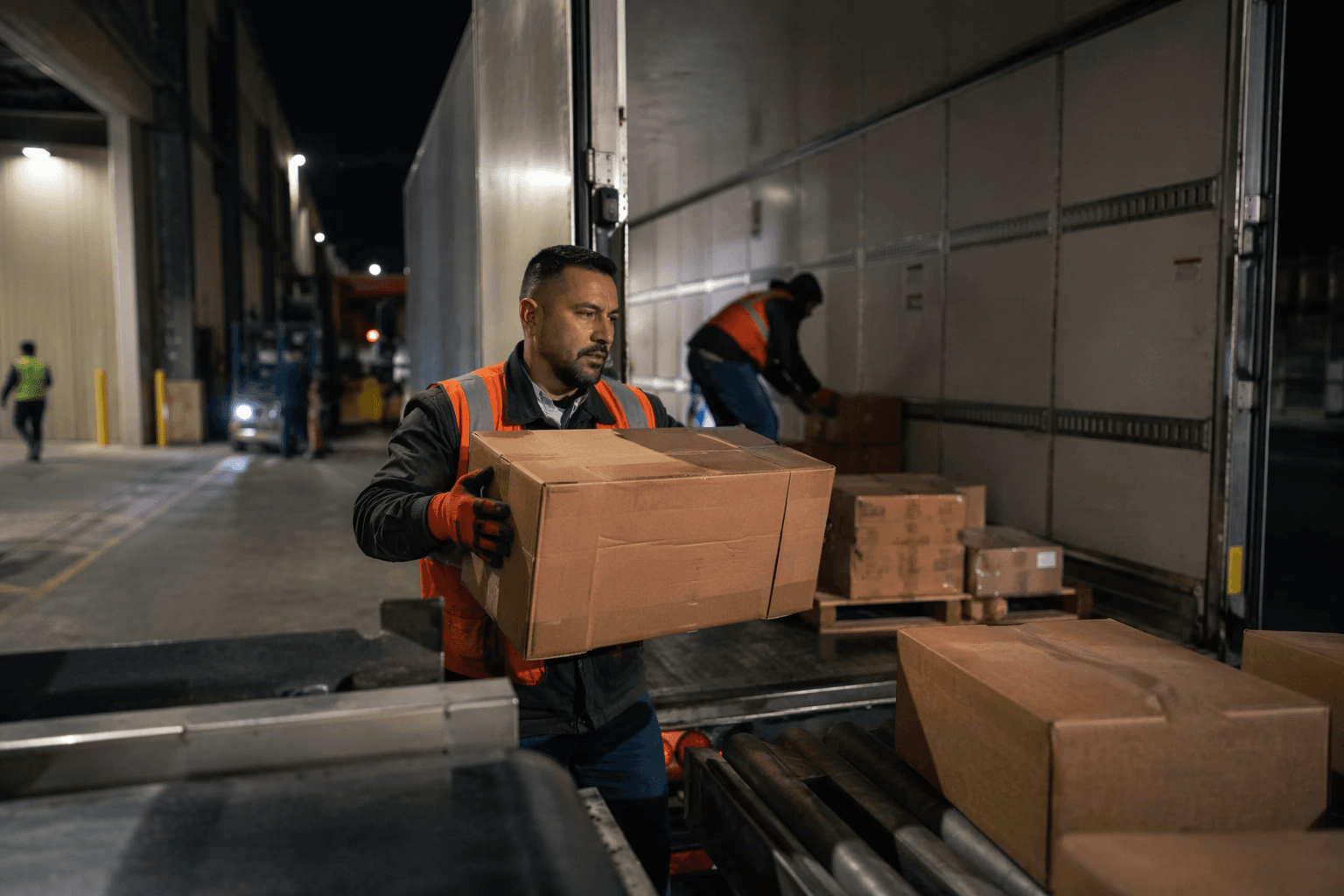
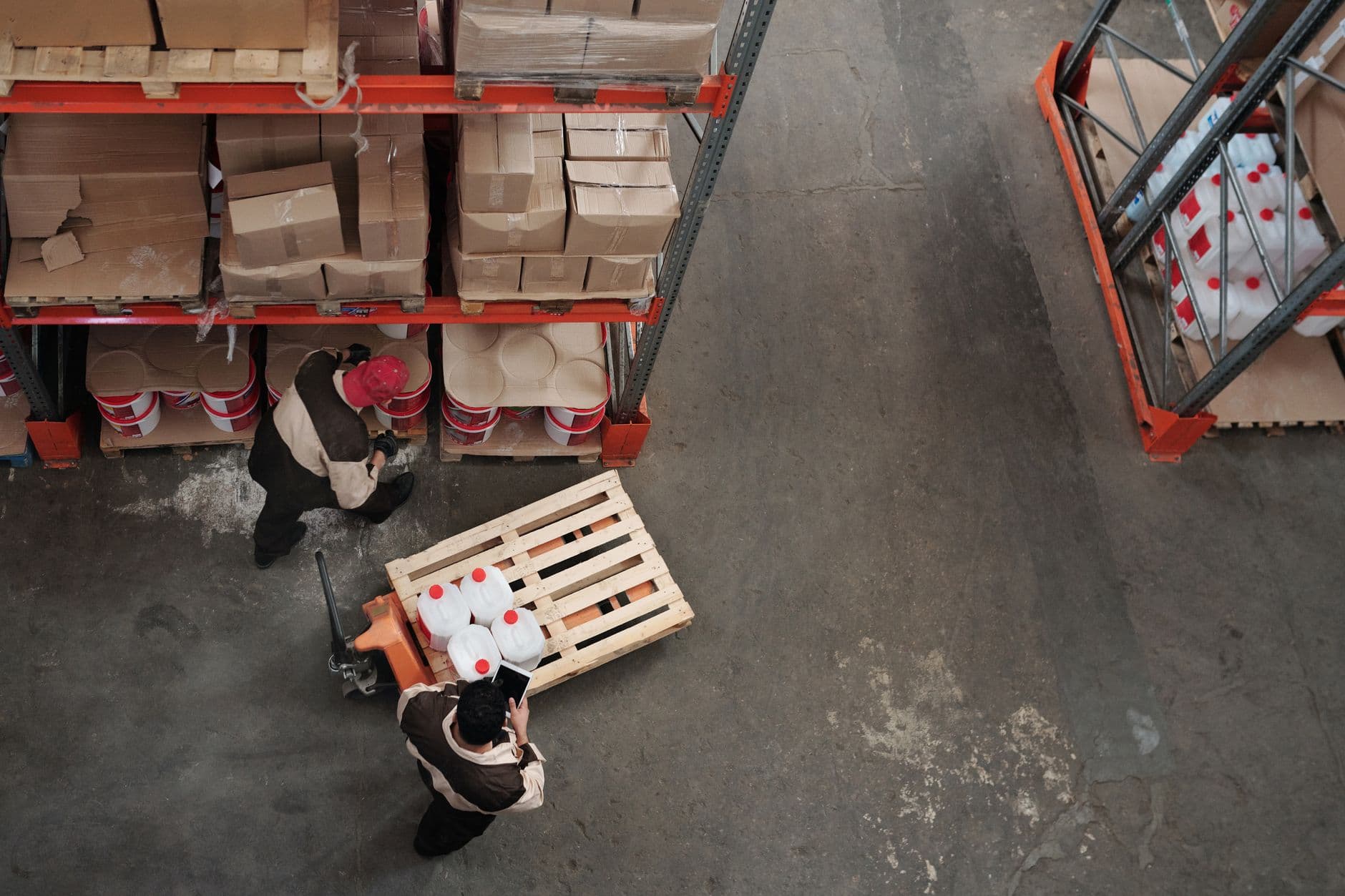
Freight and receiving are the first proof point of whether the store is set up for the day. Associates in those jobs load and unload trucks, move material from the receiving area throughout the store, and may operate forklifts. Home Depot says they also perform critical functions for maintaining proper on-hands and pricing, which turns that work from brute labor into a core part of inventory control.
That is where the invisible work becomes visible. If freight is late, if product is mis-staged, or if receiving is short-handed, the impact shows up as empty bays, freight in the aisle, and associates spending their shift hunting for stock instead of selling it. When the back end is aligned, the store feels simple to shop even though a lot of work is happening out of sight. For leaders, that is the operational lesson: a clean sales floor is often the result of a strong receiving floor.
Why order fulfillment is now part of store readiness
Order fulfillment has become one of the clearest signs that Home Depot is no longer operating as a pure in-store retailer. Associates in this role retrieve product and set it aside for customers who ordered online in a designated area. Home Depot says the level of service these associates provide is vital to the overall business, especially for high-volume customers whose experience depends on product condition and timeliness.
That is a different kind of store promise. A customer may never meet the team that picked the order, checked the item, staged it, and made it ready for pickup, but the quality of that handoff defines whether the visit feels efficient or frustrating. For department leads and store managers, this is the place where service failures start showing up fast. A late pickup, a damaged item, or a staging mistake can create more than a service complaint, it can break the trust of a pro customer trying to keep a job moving.
Home Depot’s digital results show why that work now carries more weight. In fiscal 2025, the company said digital platform comparable sales increased about 10% year over year. In first-quarter fiscal 2026, it said digital platform comparable sales increased about 8% compared with the same quarter the year before. That is not a side channel anymore. It means the store has to function as a fulfillment node as much as a sales floor.
The delivery network changed the job before the customer arrived
Home Depot has been building toward this model for years. In 2018, it introduced express same-day and next-day local delivery for more than 20,000 popular items across 35 major metros. It later expanded delivery through partnerships with Walmart GoLocal, Instacart, Uber Eats, and DoorDash. Those moves pushed more of the customer experience into the store’s behind-the-scenes operations, where staging, timing, and handoff matter as much as selling.
That shift also explains why Home Depot announced real-time tracking for big and bulky deliveries in February 2026, calling it the industry’s first such tracker for building materials. Once delivery becomes visible to the customer in real time, the store’s internal accuracy becomes customer-facing in real time too. Freight, receiving, and fulfillment are no longer just feeding the shelves, they are feeding promises.
Scale makes every operational miss louder
The size of Home Depot’s footprint makes this work even more consequential. In its fiscal 2025 performance materials, the company said it had 2,034 stores in the United States and territories, 182 in Canada, and 140 in Mexico. That scale means a good process can travel widely, but so can a weak one. A missed truck, a miscounted bay, or a poorly staged pickup area is not just a local nuisance when there are thousands of stores moving product every day.
It also helps explain why staffing and cross-training matter so much in peak periods. A store that is short on freight, support, or fulfillment talent can get stuck in a loop where employees are constantly reacting instead of preparing. The more those roles overlap cleanly, the easier it is to keep product on hand, answer customer questions, manage the lot, and stay ahead of the order pipeline without losing control of the floor.
What store leaders should take from the map
The useful thing about Home Depot’s jobs breakdown is that it shows where service really begins. It starts when a truck backs up to the receiving door, continues when product is moved to the right bay or overhead storage, and does not end until the item is priced, staged, picked, or checked out correctly. Freight, store support, and order fulfillment are not side tasks. They are the operating system that makes the sales floor usable.
For associates, that is a point of pride. The work is physically demanding, but it is also skilled work, especially in a place where product knowledge, timing, and coordination all matter. For managers, the message is even sharper: if the store feels easy to shop, somebody already won a series of quiet battles before the first customer walked in.
This article was produced by Prism’s automated news system from verified source data, official records, and press releases, then run through automated quality and moderation checks before publishing. The system is built and supervised by the people who set the standards it runs under. Read our full AI policy.
Know something we missed? Have a correction or additional information?
Submit a Tip