Home Depot retirement benefits include 401(k) match, stock purchase plan
Home Depot associates can pair a 401(k) match with a 15% ESPP discount, but the 2026 IRS limits make the order of deductions matter now.
The money now problem
Home Depot associates who are still using last year’s payroll settings may be shortchanging themselves. The 401(k) limit is now $24,500, and the company also offers an employee stock purchase plan with a 15% discount through payroll deductions. The real question is not whether the benefits exist. It is whether your paycheck is actually set up to capture the match, the stock discount, and the rest of the package without squeezing out emergency savings.
What Home Depot says is on the table
Current Home Depot job postings spell out a benefits stack that goes well beyond base pay. A warehouse associate listing in Lacey, Washington, for example, includes paid vacation, paid sick leave, paid parental leave, six paid holidays, medical, dental and vision coverage, tuition reimbursement, a 401(k) with company match, ESPP, and profit-sharing bonuses. The company also says those benefits vary by salaried versus hourly status and by full-time versus part-time status, which matters because the value of a retirement package often depends on who can actually use it.
That variation is not a small detail on the store floor. For associates working seasonal rushes, covering departments, or trying to build a career in the trades-adjacent world of home improvement retail, a visible retirement package can be part of the reason someone stays long enough to move from hourly work into a steadier future. A company with that kind of scale, founded in 1978 and now the world’s largest home improvement specialty retailer, is not just selling lumber and appliances. It is also selling a long-term employment story.
How the 401(k) side changes in 2026
The Internal Revenue Service set the 2026 elective deferral limit for 401(k) plans at $24,500, up from $23,500 for 2025. For associates who are eligible for the match, the first move is usually not to chase the absolute max right away. It is to make sure you are contributing enough to get every dollar of company match available to you, because that is the easiest employer-sponsored savings opportunity to leave behind.
The IRS also says the compensation limit used for plan contribution calculations is $360,000 for 2026. And for workers who attain age 60, 61, 62 or 63 in 2026, there is a higher catch-up contribution limit of $11,250. In plain English, that means older associates have a bigger runway to push savings higher if they are trying to make up ground before retirement.
For most workers, the useful lens is simple: raise 401(k) contributions before you start treating the ESPP like a substitute for retirement saving. The match is the first paycheck leak to plug, because it is employer support tied directly to how you set your payroll deductions.
Why the ESPP is attractive, and why it is not the same as the 401(k)
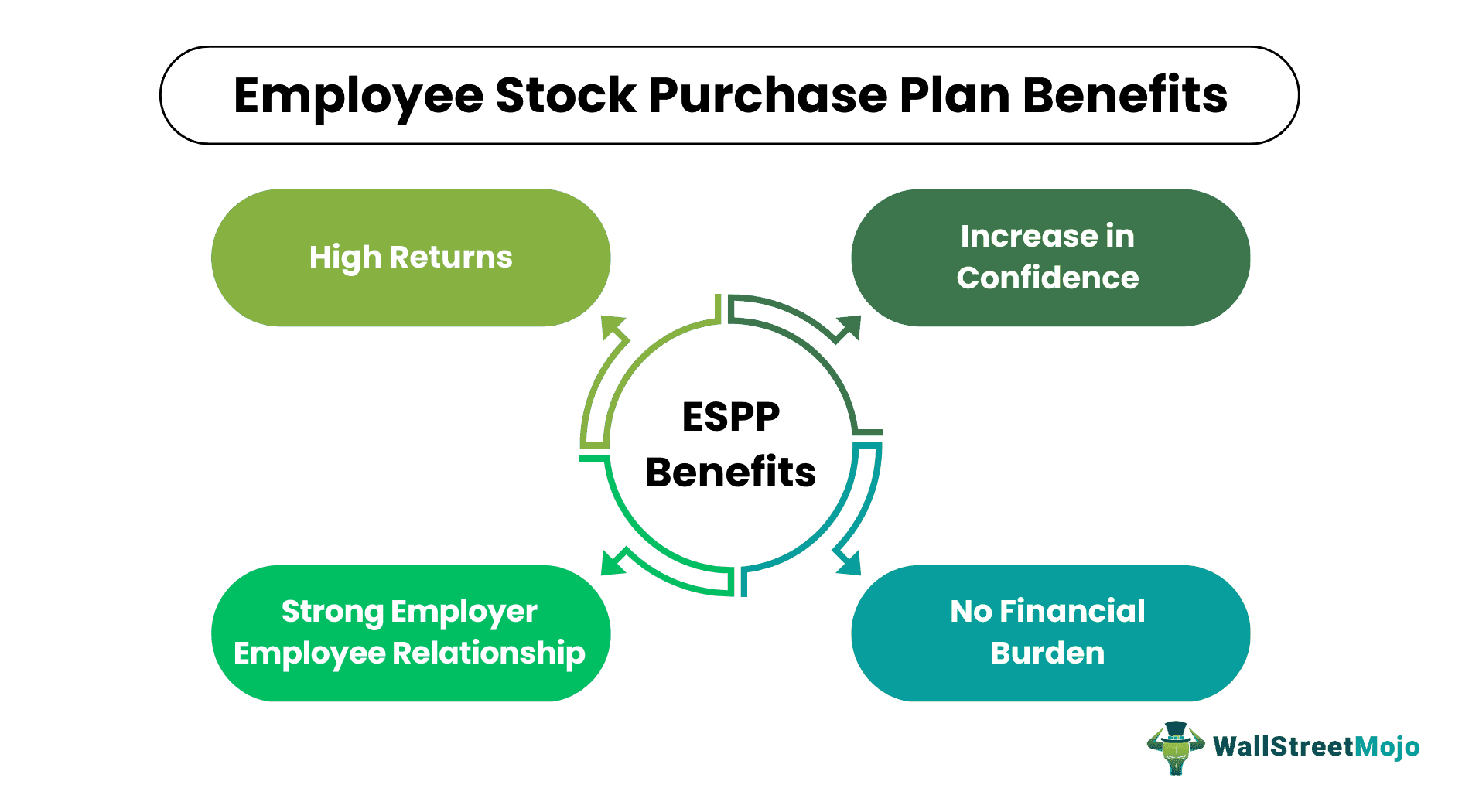
Home Depot’s ESPP materials say the plan is designed to qualify under Internal Revenue Code Section 423, and a filed executive agreement says eligible employees can buy company stock at a 15% discount through payroll deductions. That discount is the headline feature. It is also the reason the plan can feel like easy money if you are only looking at the purchase price.
But ESPP and 401(k) are doing two different jobs. The 401(k) is retirement savings with tax advantages and, for eligible associates, company match. The ESPP is an equity bet on your employer, one that can reward patience but also concentrates risk in the same company that already pays your wages. If the stock purchase crowding out rent, emergency savings, or debt repayment would leave you exposed, the discount is not a reason to overcommit.
Home Depot’s shareholder-services materials also make a clear distinction between the associate ESPP and the company’s Direct Stock Purchase Plan for individual investors. The DSPP is for people outside the workforce who want to build stock ownership over time. It is not the same thing as the employee plan tied to payroll deductions. For ESPP questions, Home Depot directs associates to the ESPP page and Computershare, which handles plan administration.
A simple decision lens for your next payroll change
If you are deciding whether to increase contributions, rebalance between plans, or revisit payroll deductions, use this order:
- First, set the 401(k) high enough to capture the full match if you are eligible.
- Second, decide whether the ESPP deserves its own slice of pay, based on how much cash you need for emergency savings and debt reduction.
- Third, check whether your current payroll deduction still makes sense after a raise, a schedule change, a bonus shift, or a move between hourly and salaried status.
That sequence matters because small, regular contributions compound over time, especially when they are paired with employer support. It also helps avoid the common mistake of treating the stock plan like a retirement plan replacement. It is not. It is an extra lever, and for some workers it is a smart one, but only if it fits the rest of the household budget.
Why store leaders should care
For department leads and store managers, this is not just a finance question. Benefits that include retirement support, tuition reimbursement, bonuses, and stable scheduling can help associates picture a future at the company instead of a short stint on the floor. In a business built around contractor relationships, project rushes, and constant staffing pressure, that future matters.
Home Depot’s package is most powerful when workers know how the pieces fit together. Get the match first, use the ESPP with your eyes open, and make sure your payroll deductions are still aligned with the 2026 IRS limits before the year’s savings opportunity quietly slips by.
This article was produced by Prism’s automated news system from verified source data, official records, and press releases, then run through automated quality and moderation checks before publishing. The system is built and supervised by the people who set the standards it runs under. Read our full AI policy.
Know something we missed? Have a correction or additional information?
Submit a Tip