Home Depot shareholders push privacy report on license plate reader network
A 17-filer shareholder push is forcing Home Depot to explain how its license plate readers could expose workers and day laborers to immigration raids.

Home Depot shareholders are pressing the company to publish a report on its license plate reader network before investors meet to vote on the issue at the retailer’s virtual annual meeting on May 21. The proposal, submitted April 7 by Neil Fisher and Meryl Loonin and backed by Zevin Asset Management, asks the board to spell out the privacy and civil-rights risks of sharing sensitive customer data with third parties and to describe safeguards that go beyond basic legal compliance.
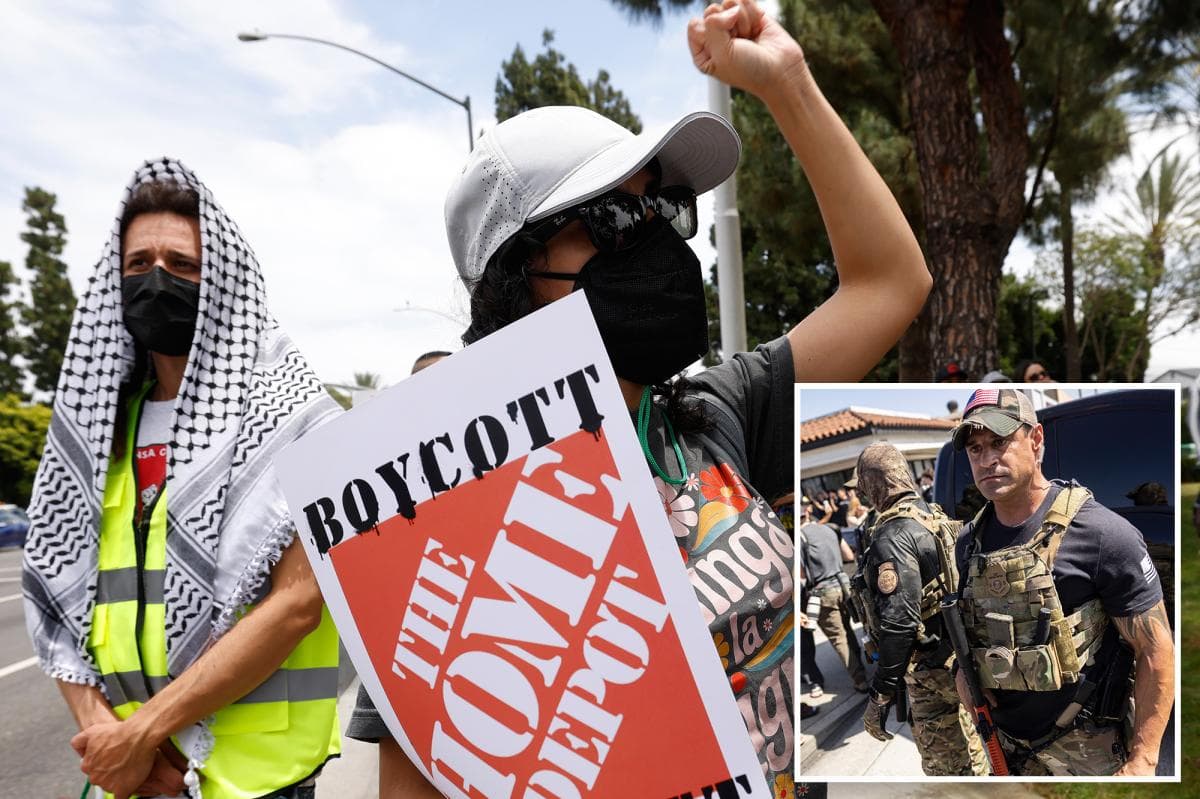
The filing lands as Home Depot’s parking lots have become part of the immigration-enforcement debate surrounding big-box retail. Reuters reported that Home Depot locations have become hotbeds for ICE arrests, and NBC News said at least two parking lots in the Los Angeles area were targeted in a single day in August 2025, with day laborers detained in North Hollywood and Alhambra. The proposal says the company’s surveillance footprint could expose customers, workers, contractors and day laborers to discrimination or wrongful detention, while also creating financial, legal and reputational risks tied to evolving state privacy laws and repeated enforcement activity near stores.
Zevin Asset Management, which Reuters reported owns more than $7 million in Home Depot stock, is leading the campaign with 17 co-filers. Pablo Manríquez has described the effort as gaining traction as privacy concerns grow around how retail surveillance systems are being used. The proposal also comes after earlier reporting that Flock Safety data had been used in Immigration and Customs Enforcement investigations after being shared by local police departments, a detail that has sharpened investor concern about how license-plate data can be repurposed once it leaves a retailer’s direct control.
Home Depot has said it does not grant federal law enforcement access to its license-plate readers and that it cannot legally interfere with federal agencies or stop them from entering its stores or parking lots. Still, the shareholder filing argues that the company should explain how it handles data shared with surveillance vendors, especially given Reuters’ reporting that Home Depot also collects demographic information, including age, race, ethnicity and gender, from service providers used for fraud prevention, security and asset protection.
The vote comes as Home Depot prepares to tell investors more about the health of the business itself. Its preliminary 2026 proxy statement says fiscal 2025 sales reached $164.7 billion, cash dividends returned $9.2 billion to shareholders, and the quarterly dividend rose from $2.25 to $2.30 a share. For investors weighing governance risk, the question is whether a store network built for theft prevention and security has also become a liability in the immigration crackdown playing out in and around the company’s parking lots.
This article was produced by Prism’s automated news system from verified source data, official records, and press releases, then run through automated quality and moderation checks before publishing. The system is built and supervised by the people who set the standards it runs under. Read our full AI policy.
Did this article answer your question?