Home Depot uses AI voice agents to speed customer support
Home Depot’s phone pilot answered calls in under 10 seconds and cut resolution time by four times, freeing associates from repetitive menu traffic.
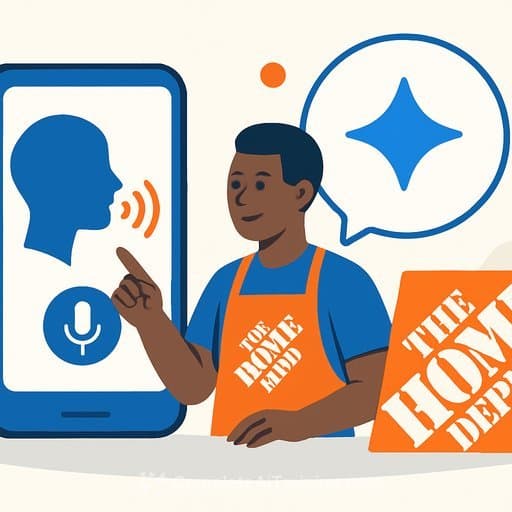
Home Depot said on April 22 that it was using Google Cloud’s Gemini Enterprise for Customer Experience to replace traditional phone menus with a voice agent that could understand why a customer was calling, handle routine requests and still hand the line to a human associate when a problem needed judgment.
The company tested the system in 50 stores and said the voice agent figured out a caller’s reason for reaching the store in under 10 seconds. In that pilot, the new setup reached a solution four times faster than traditional menus, a gain that matters on busy days when associates are already splitting time between the phone, the pro desk and shoppers on the floor.
The system was built to do the work that often interrupts in-store service. It could check order status, confirm whether a product was available, provide store information and build a digital shopping cart from a customer’s description. It also handled project questions and multiple languages, which could reduce the number of transfers and the amount of time associates spend translating routine needs into product or order lookups.
What Home Depot said it wanted to protect was the part of the job that still requires a person. If a call turns into service recovery, a complicated product recommendation or a judgment call about a project, the system is supposed to route the customer to an associate. That is the point where the company’s use of AI stops being a menu replacement and starts changing how work is divided inside the store.

Home Depot said pilot stores reported higher job satisfaction because associates spent more time helping shoppers in person instead of fielding repetitive phone traffic. For department leads and store managers, that is the clearest operational bet in the rollout: fewer interruptions from basic calls, more time on the sales floor, and faster answers for callers who only need an order update or a store answer.
The company said it planned to expand the system to all U.S. stores, turning the pilot into a broader shift in how stores handle the phone. For associates, the day-to-day standard is likely to be simple but important: let the voice agent handle the routine, step in when the issue needs a human, and use the saved time to stay with the customer standing in front of you.
This article was produced by Prism’s automated news system from verified source data, official records, and press releases, then run through automated quality and moderation checks before publishing. The system is built and supervised by the people who set the standards it runs under. Read our full AI policy.
Did this article answer your question?