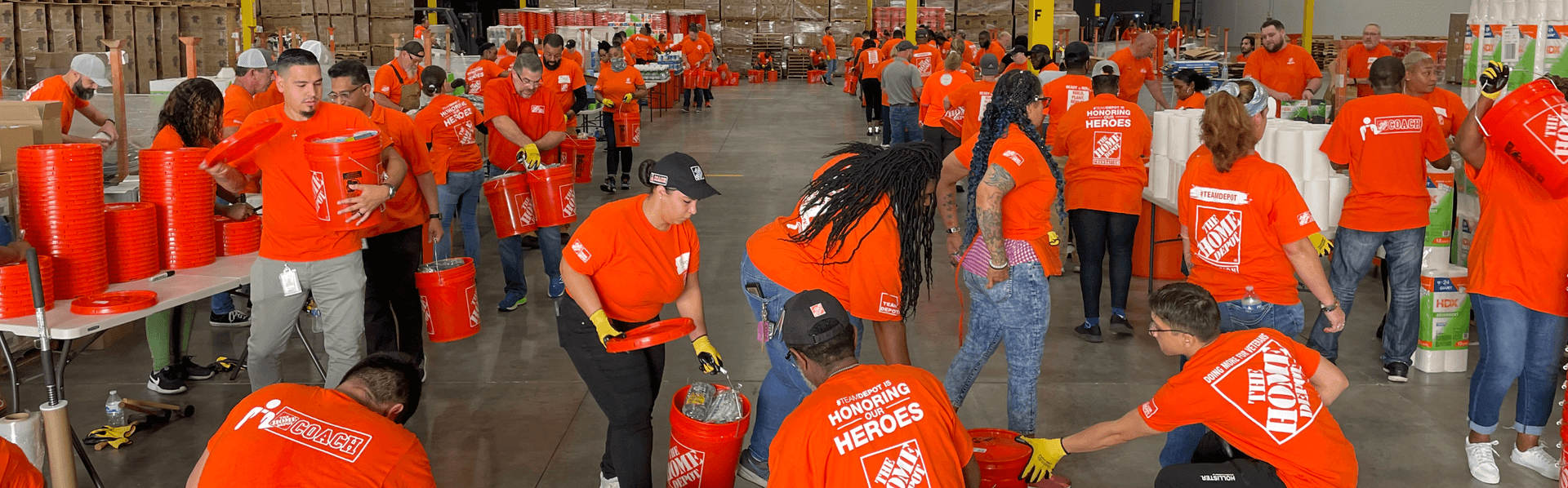
Home Depot’s Team Depot backs veterans, disasters and local communities
Team Depot turns volunteer work into real store-level impact, with about five projects a day, 2.5 million hours and a big role in veteran and disaster recovery work.
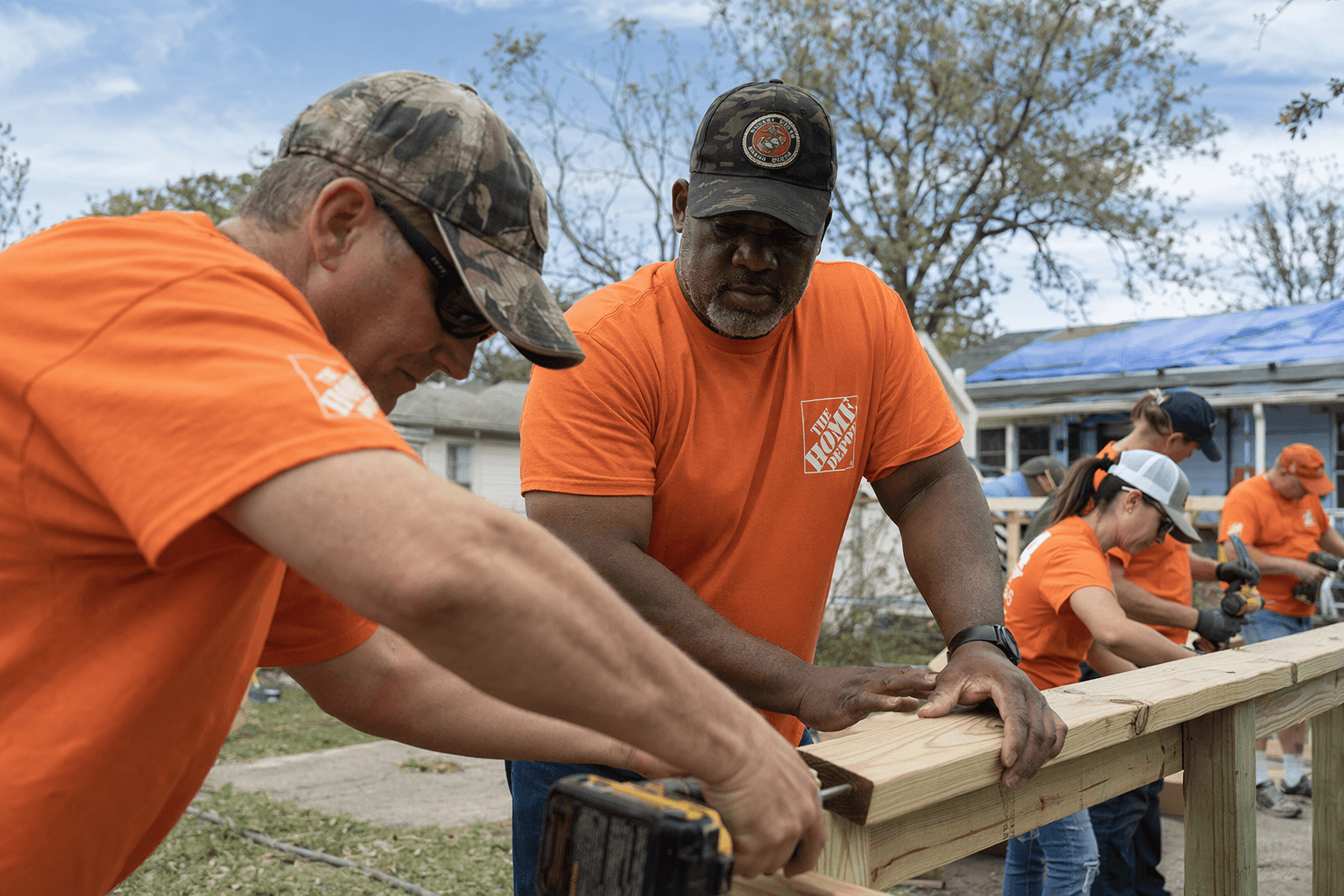
Team Depot is not a side project: Home Depot says its associate volunteers average about five community projects a day, and they have already logged more than 2.5 million hours. For store teams, that means the orange apron is tied to more than sales and freight, it is tied to local rebuilding, veteran support and the kind of community visibility that people remember long after a job is done.
How Team Depot fits into the Home Depot workplace
Team Depot is Home Depot’s associate volunteer force, created in 2011 with a mission that reaches beyond the store floor. The company says the program improves the homes and lives of veterans while also helping communities hit by natural disasters, which gives associates a clear way to connect company values to visible work in their own markets. The first Team Depot project was a Habitat for Humanity house build by the technology team in Atlanta, a detail that still says a lot about the program: this was not designed as a marketing idea, but as hands-on work.
The scale is what makes the program stand out. Home Depot says Team Depot has worked with nearly 15,000 nonprofits since 2011 and has been involved in more than 43,000 projects to improve veteran homes and facilities in more than 4,300 cities. That kind of footprint turns volunteerism into part of the operating culture, especially for managers who are looking for ways to build pride that is not tied to a sales contest or a seasonal reset.
Why veterans remain central to the program
Home Depot’s foundation and Team Depot messaging consistently return to veterans, and that is not an accident. The company says tens of thousands of its employees are veterans, which helps explain why service to military families is woven into the company story so tightly. For associates, that connection can make the work feel personal, especially in stores where veterans make up a meaningful part of the customer base and the workforce.
The Home Depot Foundation says it has improved more than 70,000 veteran homes and facilities since 2011 and invested more than $650 million in veteran causes over that period. It is also aiming to invest $750 million in veteran causes by 2030. That long runway matters for workers because it shows veteran support is not a temporary campaign or a holiday push, but a sustained line of work that has real volume, funding and repetition behind it.
The foundation’s more recent update adds another marker: on March 19, 2026, it said it had surpassed $1 billion in charitable giving. For employees, that number helps frame Team Depot as part of the company’s broader identity, not just a volunteer club on the side.
What disaster response looks like in practice
The disaster-relief side of Team Depot is built around speed and logistics, two areas Home Depot associates know well. The company says it pre-stocks nonprofit partner warehouses and distribution centers with relief supplies so it can respond quickly after storms. That detail matters because it shows this is not simply about sending volunteers after a hurricane, it is about preparing inventory and support ahead of time.
For store teams, that preparation has practical value. When a storm hits, associates often see immediate demand for tarps, batteries, generators, cleanup tools and repair materials. A program that already has relief supplies staged through nonprofit partners reinforces the company’s role in the first days after a disaster, when customers are trying to secure homes, clear debris and make temporary repairs.
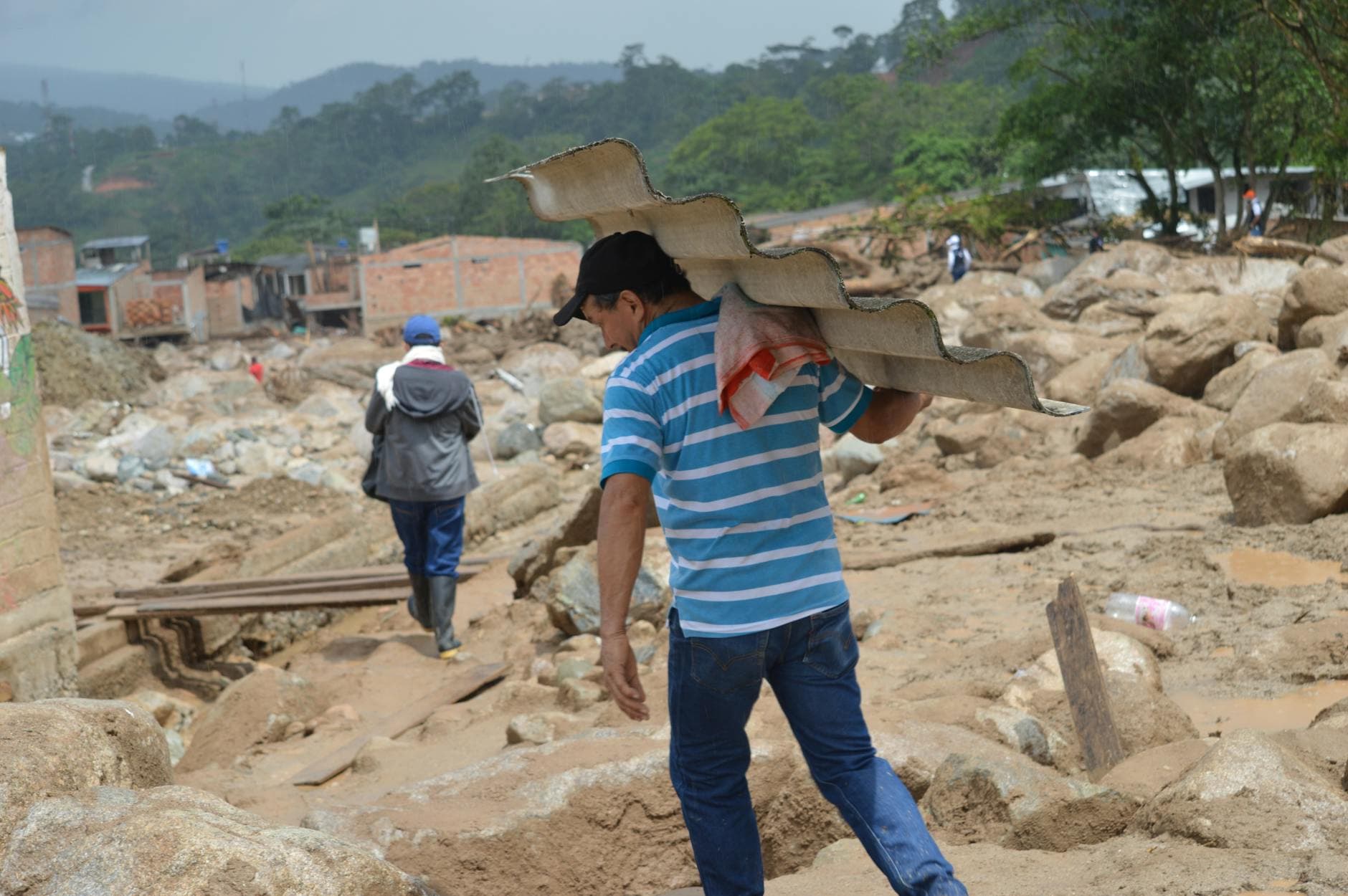
It also gives teams a story they can point to locally. When a store supports disaster recovery efforts, employees are not just talking about a corporation helping somewhere in the country. They are talking about a network that can show up in a community quickly, which can strengthen trust with customers and make the store feel like part of the neighborhood response instead of a distant retailer.
Why the local nonprofit model matters on the floor
One of the most useful parts of Team Depot is that the company points people toward nonprofits near them. That makes the effort flexible rather than one-size-fits-all, which is important in a chain with stores spread across thousands of neighborhoods. A market in one region may be focused on veteran home repairs, while another may be dealing with storm cleanup, shelter work or a local build project.
That local approach can pay off inside the store, too. Associates are often more likely to care about a project when they can see where it lands, who it helps and how it connects to the people they already serve at work. A project that supports a nearby nonprofit can also create a stronger bond between departments, from tool rental and pro desk to lot, merchandising and management, because it gives teams something to rally around that is not just a store metric.
For managers, there is a second benefit: volunteer work can be a retention tool. In busy seasons, when staffing pressure and physical fatigue are already high, a shared service project can give people a break from the transaction count and remind them why they are part of the company in the first place. It also gives leaders a way to recognize associates for impact outside the store, which can carry a lot of weight with employees who value purpose as much as pay.
How this fits Home Depot’s broader brand story
Home Depot’s history page links this culture of service back to the company’s early years. After the company went public in 1981, founders Bernie Marcus and Arthur Blank made a commitment to give back to the communities where stores were located. That matters because Team Depot is not presented as a new corporate initiative, but as an extension of a long-running idea that stores should matter to the places that host them.
The Home Depot Foundation also says its work supports skilled trades training to help fill the labor gap, alongside veteran causes and disaster recovery. That broader mission fits the company’s core business, because Home Depot has always been at its strongest when it connects retail with real-world repair, building and maintenance. Team Depot takes that idea one step further: it lets associates use their skills, time and local knowledge in a way customers can see.
For workers, the practical takeaway is simple. Team Depot gives associates a visible way to turn store pride into community credibility. It is one more reason the orange apron can stand for more than a shift schedule, because in the right market, on the right day, it can also stand for a rebuilt home, a repaired roof or a veteran’s house made safer to live in.
This article was produced by Prism’s automated news system from verified source data, official records, and press releases, then run through automated quality and moderation checks before publishing. The system is built and supervised by the people who set the standards it runs under. Read our full AI policy.
Did this article answer your question?