Home Depot's Temco Logistics Faces New NLRB Filing After Historic Union Vote
A new NLRB charge lands in Chicago three months after 79 Temco flatbed drivers made history as the first Home Depot-owned company to vote union.
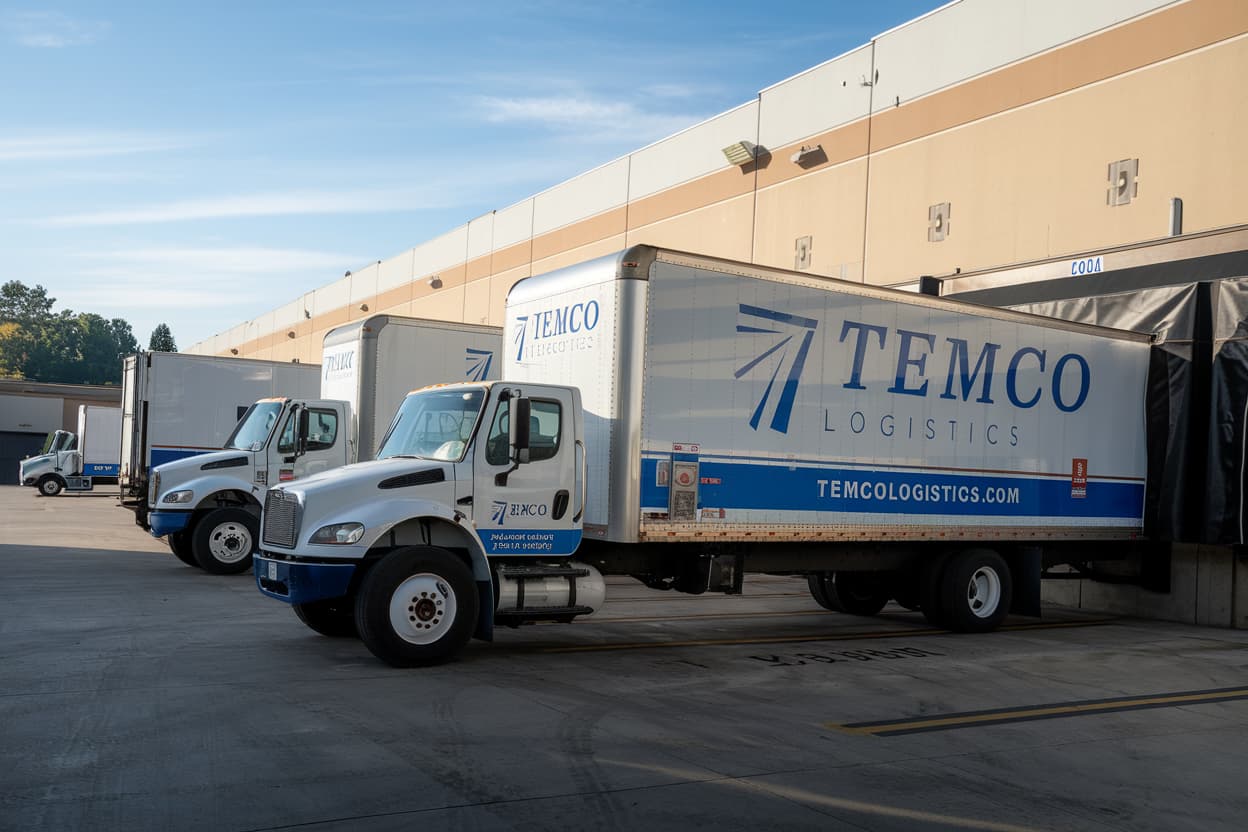
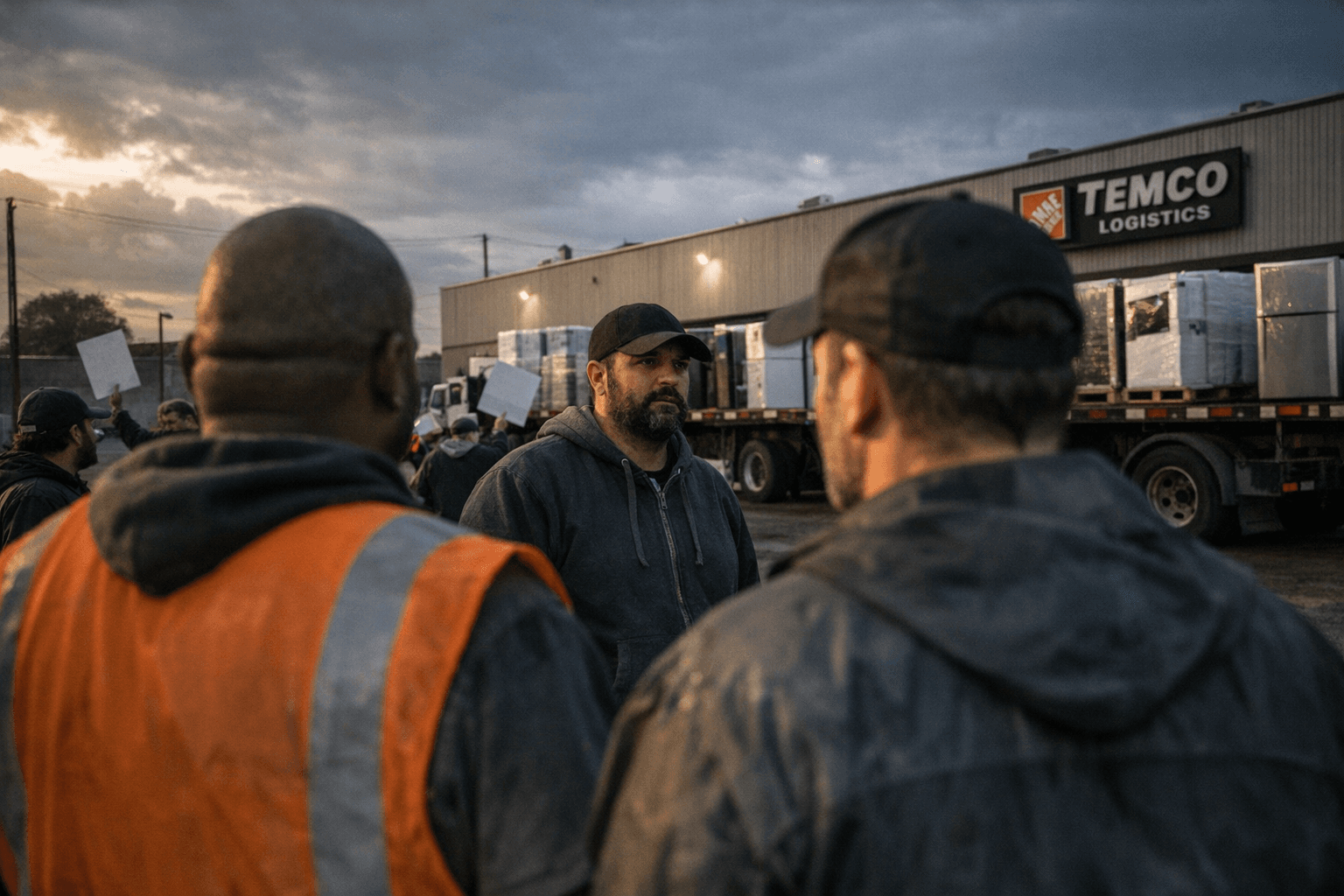
Seventy-nine flatbed drivers cast ballots in February to make Temco Logistics the first Home Depot-owned company to unionize, and the legal fallout from that vote is still accumulating. The National Labor Relations Board added case number 13-CA-384125 to its public docket on April 2, assigning the matter to Region 13 in Chicago. It is the latest procedural entry in a sequence that now spans February, March, and April filings tied to the same dispute.
Temco operates formally as Home Express Delivery Service, LLC, a wholly owned Home Depot subsidiary that runs flatbed and large-item delivery of building materials. Teamsters Local 528 organized the roughly 79 drivers, framing the election as workers pushing for better pay, safety, and respect on the job. After that February vote, the union filed unfair labor practice charges alleging employer threats and coercion during the organizing campaign. The April 2 entry represents a new charge or follow-on docket item in that ongoing ULP sequence, not the close of a case.
The NLRB public docket for Temco now shows multiple related filings, and Region 13 will process the latest entry through the agency's standard case-handling procedures. Active ULP charges at this stage typically move through investigation, possible settlement discussions, or a formal complaint, a timeline that can stretch well beyond an initial filing date.
The dispute carries operational weight for stores that rely on Temco's delivery network. Flatbed and specialty deliveries for building materials are a core piece of the big-and-bulky fulfillment cycle, and any labor instability in that network lands directly on department leads and delivery coordinators managing customer timelines. Documenting delays and escalating through district or supply-chain contacts, rather than absorbing the disruption at the store level, is the appropriate response when service patterns shift.
On the communications side, store managers should not offer interpretations of active NLRB filings or pending litigation. Customer questions about delivery status belong with the store or HomeDepot.com. Associate questions about labor rights belong with People Services or the relevant HR and employee relations channel, not the sales floor.
The broader signal here runs past any single docket entry. A successful union election and a stack of ULP charges at a wholly owned subsidiary represent the kind of labor activity that registers across an enterprise, even when the affected workers operate under a different employment structure than store associates. The Teamsters called the February vote historic for a reason, and three months of continued NLRB activity suggests neither side is treating it as a settled matter.
This article was produced by Prism’s automated news system from verified source data, official records, and press releases, then run through automated quality and moderation checks before publishing. The system is built and supervised by the people who set the standards it runs under. Read our full AI policy.
Did this article answer your question?