Mixed housing permits signal softer Home Depot new-build demand
Single-family permits fell 7.6% while multifamily rose 7.1%, splitting Home Depot demand between slower new-build aisles and steadier turn and maintenance orders.

The housing signal was split, and so was the read-through for Home Depot. Single-family permits fell to 214,655 in the first three months of 2026, down 7.6% from a year earlier, while multifamily permits rose 7.1% to 121,404, a mix that can soften demand in new-build-heavy categories even as it keeps maintenance, turnover and make-ready business moving.
That matters most on the store floor where the customer mix changes by market. A weaker single-family pipeline can slow traffic in lumber, framing, rough plumbing and other early-stage construction aisles that feed ground-up starts. In multifamily-heavy areas, the order pattern can shift toward repeat buys for apartment turns, vacancy refreshes, unit renovations and bulk property-management orders, which usually means more activity from Pro customers and less reliance on one-off homeowner projects.
The regional split underscored how uneven the backdrop had become. Elevated financing costs, affordability pressure and softer builder sentiment weighed on single-family construction across all four regions, with the Northeast and West posting the steepest declines. Texas led all states with 35,231 single-family permits in the quarter, though that was down 8.3% from March 2025. The 10 states with the most single-family permits accounted for 63.8% of all permits nationwide, a reminder that a handful of big markets still drive a large share of the business.
Multifamily told a different story. California issued the most multifamily permits in the first quarter and was up 105.4% from a year earlier. Texas, the second-largest state for multifamily permits, was down 2.9%, while New York, ranked third, rose 154.8%. NAHB also said Rhode Island posted the biggest percentage increase in its March state comparison, while Nevada had the steepest decline. For Home Depot managers, that split points to different labor rhythms by market: some stores will lean harder into repair-and-remodel and contractor replenishment, while others will see more activity tied to apartment turns and property maintenance cycles.
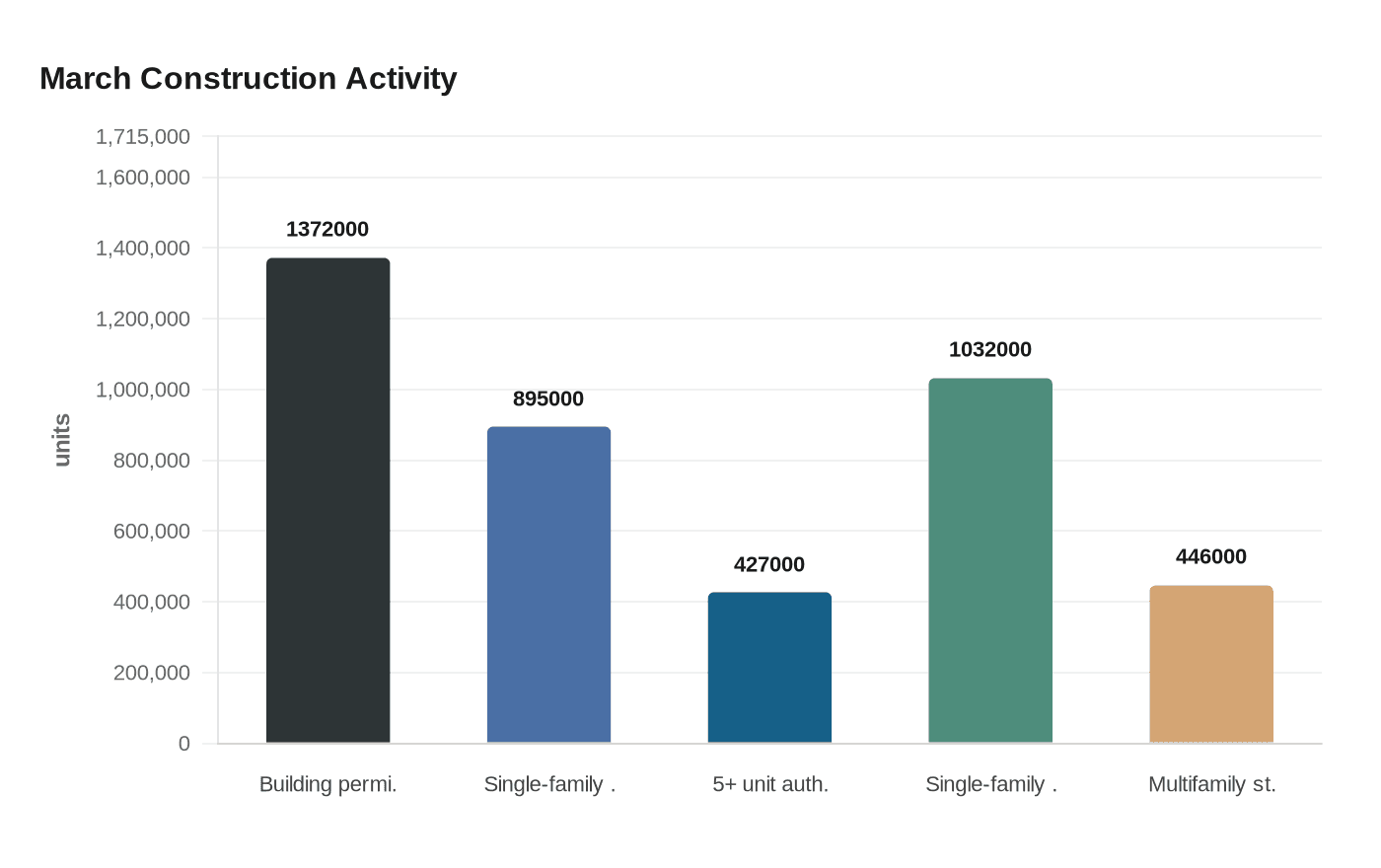
The Census Bureau’s March 2026 construction release reinforced the pattern. Privately owned building permits ran at a seasonally adjusted annual rate of 1.372 million, down 10.8% from February and 7.4% from March 2025. Single-family authorizations came in at 895,000, while authorizations for buildings with five units or more were 427,000. March housing starts showed the same divide, with single-family starts at 1.032 million and multifamily starts at 446,000.
NAHB chief economist Robert Dietz said in February that 2026 held cautious optimism, but builders still faced rising material and labor costs, policy uncertainty and persistent affordability problems. That is the kind of backdrop that makes execution matter inside Home Depot. The company reported fiscal 2025 net sales of $164.7 billion and said it operates more than 2,300 stores, giving it broad exposure to both housing cycles and maintenance-driven demand. Its annual report also stresses that knowledgeable associates and on-shelf availability are critical to the store experience, exactly the kind of operational edge that matters when one housing segment slows and another keeps buying.
This article was produced by Prism’s automated news system from verified source data, official records, and press releases, then run through automated quality and moderation checks before publishing. The system is built and supervised by the people who set the standards it runs under. Read our full AI policy.
Did this article answer your question?