NAHB tool maps state remodeling spending, highlights key growth markets
North Carolina shows up in both the biggest and fastest-growing remodeling markets, a signal for Home Depot stores facing more pro traffic, flooring pulls and kitchen orders.

North Carolina landed in both of NAHB’s most important remodeling lists: one for the largest dollar-volume markets and another for the fastest growth. That overlap matters for Home Depot store leaders because it points to where the floor can get busier, where pro customers may crowd the aisles, and where staffing, delivery coordination and on-shelf availability can come under pressure.
NAHB unveiled its State Projections of Remodeling on May 5, a quarterly state-level measure that estimates remodeling spending by total dollar value, market share and changes in activity. The new tool puts California, Texas, Florida, New York and North Carolina at the top of the fourth-quarter 2025 market-by-volume list. Michigan, Virginia, North Carolina, Ohio and Alabama posted the largest growth in remodeling spending. NAHB said the methodology uses proxy variables and annual remodeling-spending projections by state, and that market share explains about 43% of the variance in permit data, a sign that the model tracks real-world activity closely.
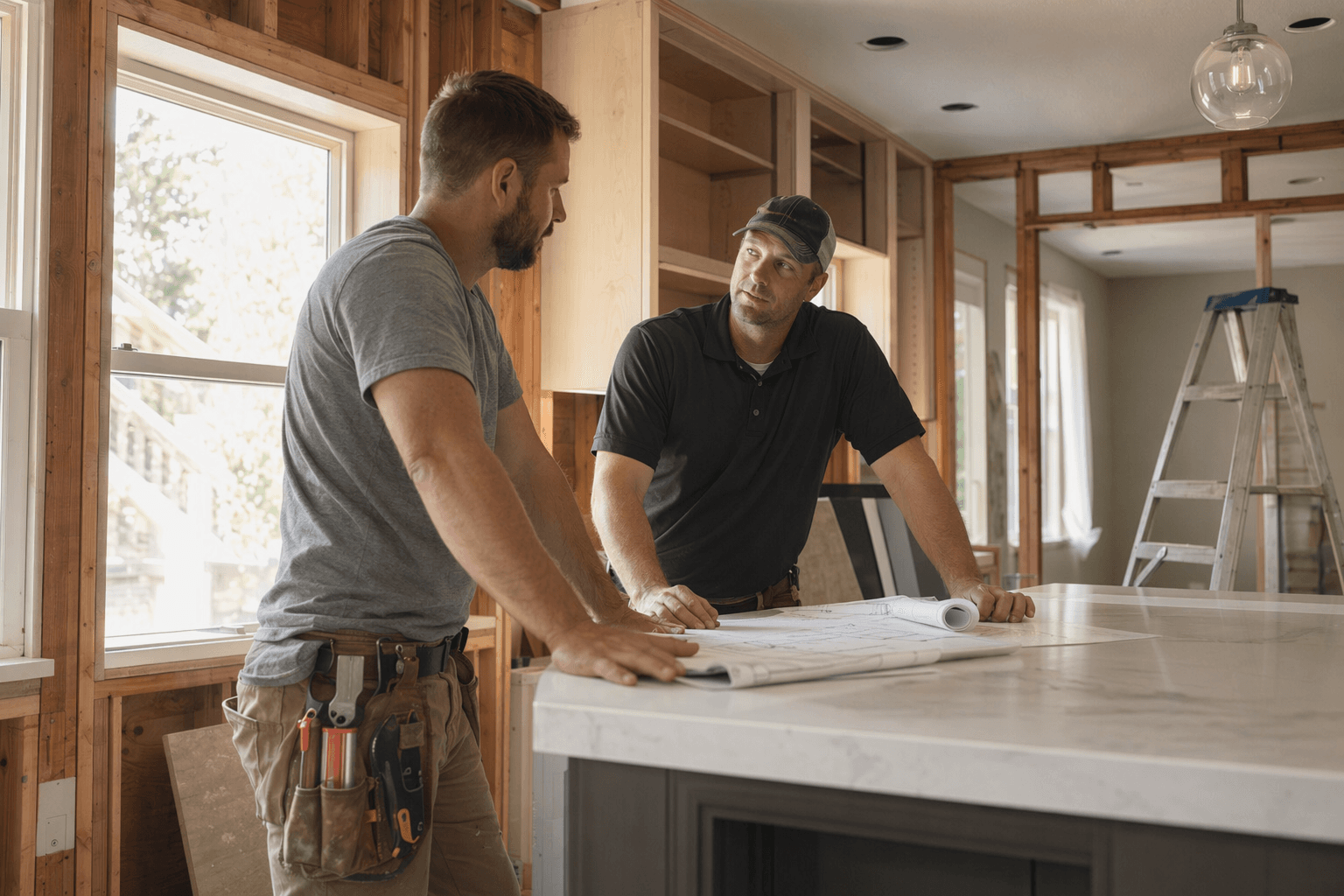
For Home Depot associates, the practical value is not academic. A state with rising remodeling spending usually means more contractor traffic, more delivery questions and more demand for project-ready assortments in flooring, kitchen and lumber. It can also mean sharper swings in the mix between big-ticket remodel work and smaller repair and maintenance jobs. In slower or more value-focused markets, associates may see more price checking, more pickup orders and more customers replacing worn-out fixtures rather than paying for full upgrades. Two stores under the same banner can feel very different when one market is being pulled by bath and kitchen projects and another is driven by patch-and-repair work.
The backdrop helps explain why. NAHB says almost half of U.S. owner-occupied homes were built before 1980, the median age of owner-occupied homes reached 41 years in 2023, and the share of homes at least 45 years old climbed from 39% in 2014 to 47% in 2024. NAHB also said roughly 320,000 fewer homeowners relocated in 2024 than in 2023, while 30-year fixed mortgage rates averaged about 6.7% in 2024. That kind of lock-in effect keeps many households in place and pushes spending toward remodeling instead of moving.
NAHB’s own sentiment data points in the same direction. Its Remodeling Market Index finished the fourth quarter of 2025 at 64, with current-rate-of-leads at 54 and backlog at 58. The association says the number of remodeling companies has nearly doubled over the past 25 years, another sign that the market is broadening rather than fading. For Home Depot, with fiscal 2025 net sales of $164.7 billion and more than 2,300 stores across the U.S., Puerto Rico, the U.S. Virgin Islands, Guam, Canada and Mexico, the message is straightforward: remodeling demand is local, uneven and increasingly measurable, and the stores that read it well will be better prepared for what walks in the door.
This article was produced by Prism’s automated news system from verified source data, official records, and press releases, then run through automated quality and moderation checks before publishing. The system is built and supervised by the people who set the standards it runs under. Read our full AI policy.
Did this article answer your question?