States Push Tighter Self-Checkout Rules, Raising Stakes for Home Depot
Seven states are moving to put self-checkout under the rulebook, and Home Depot has already added computer vision to watch for shrink.
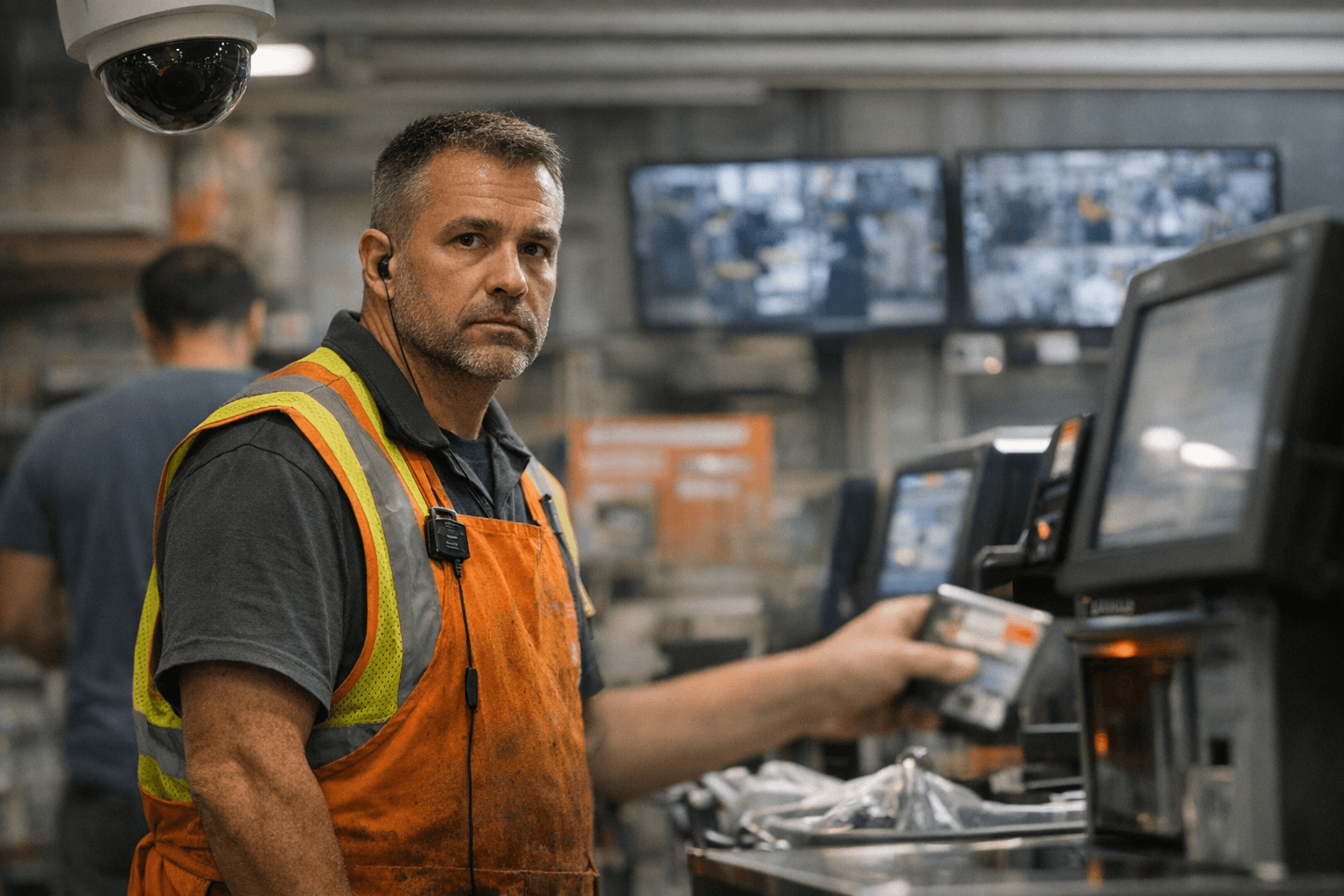
Self-checkout is shifting from an in-store convenience to a state-rule issue store leaders may have to plan around now. California, Connecticut, Massachusetts, New York, Ohio, Rhode Island and Washington are the seven states in the first wave, and the proposals all push in the same direction: more staffed lanes, tighter machine limits and more employee oversight to reduce theft.
California is already the clearest warning sign for the front end. Long Beach approved a self-service checkout staffing ordinance in August 2025, and Costa Mesa followed with its own rule in February 2026. Both require at least one staffed traditional lane when self-checkout is open, and Costa Mesa also requires employee supervision of the kiosks. For a Home Depot store, that is not just a compliance note. It affects how many associates can be pulled to curbside, service desk work, returns and the aisles when traffic spikes around weekend projects or contractor runs.
The state bills now under discussion show how specific the new rules can get. Massachusetts Senate Bill S.237, filed by Sen. Paul R. Feeney, would limit the number of self-checkout stations in grocery establishments and impose fines for multiple violations. Connecticut Senate Bill 438 would cap self-checkout at eight stations, require one manual checkout station for every two self-checkout stations, and require one employee for every two self-checkout stations monitoring them. The Connecticut bill also would let employees or customers file complaints with the labor commissioner. Washington’s HB 1739 would apply to grocery stores larger than 15,000 square feet that primarily sell food for off-site consumption, limit self-checkout to 15 items and require one staffed lane for every self-checkout station, with no more than two kiosks watched by one worker.
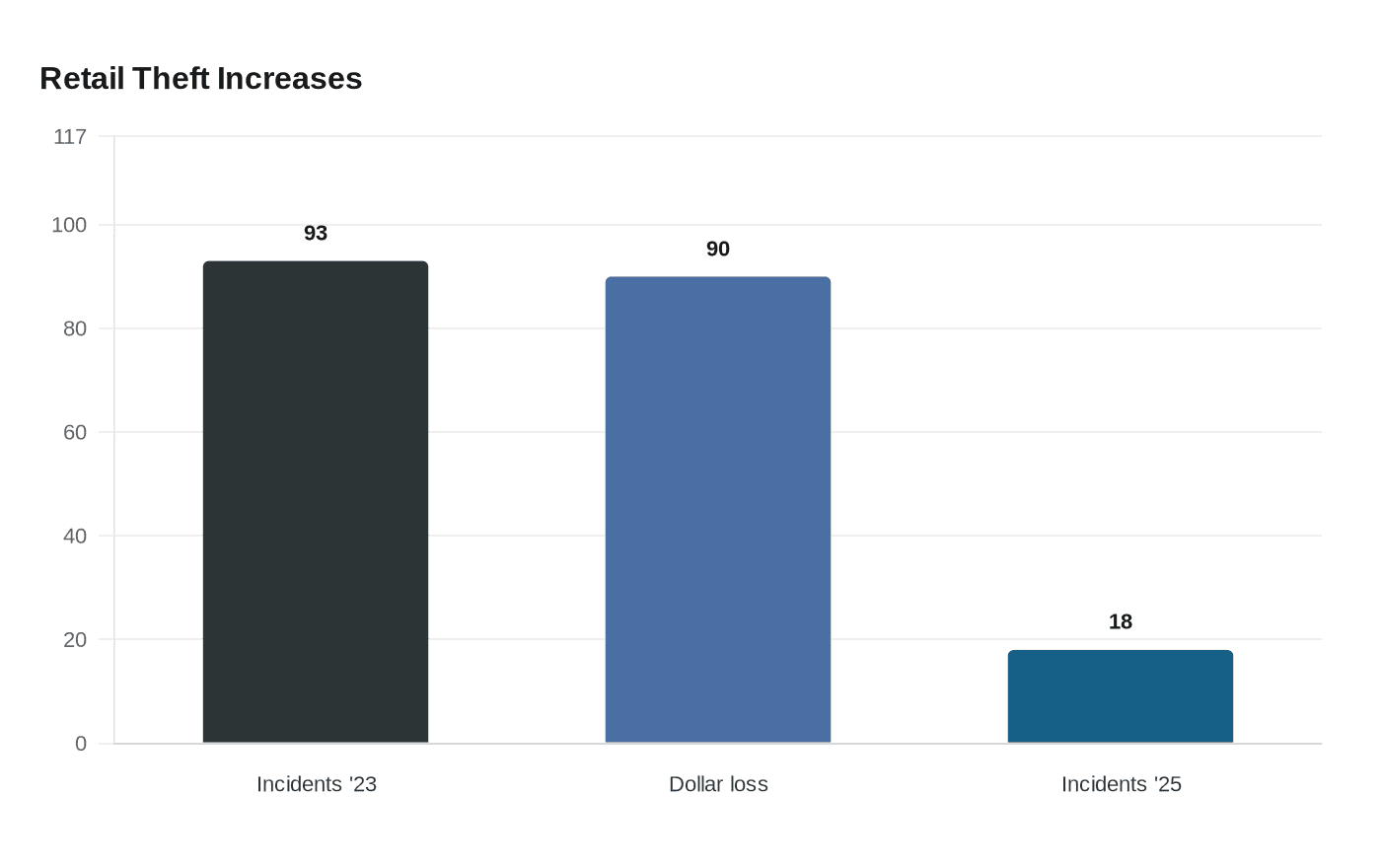
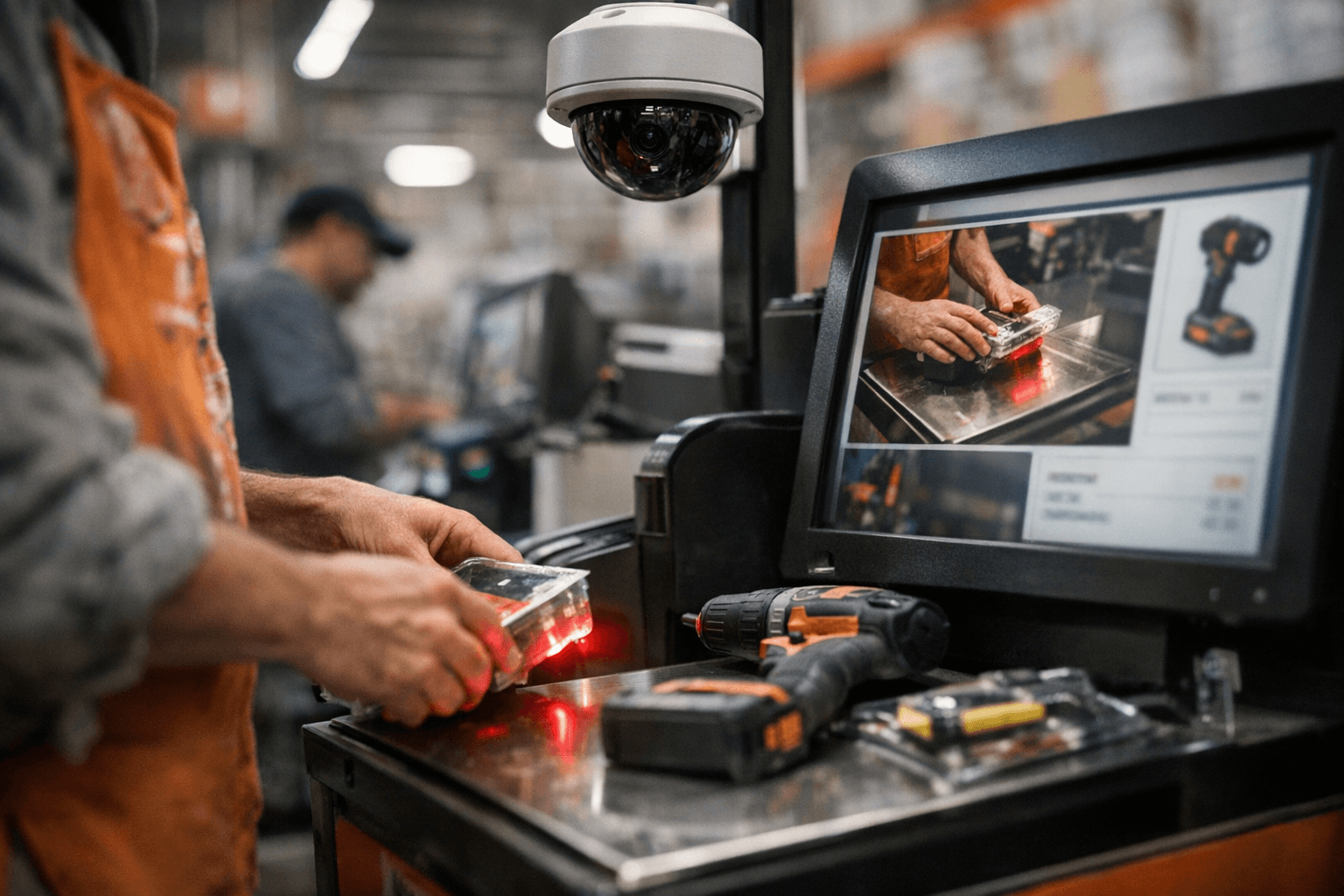
Home Depot has already been investing as if that front-end pressure is here to stay. On May 14, 2024, the company told investors it had deployed computer vision in its self-checkout corral to help mitigate shrink, with the system flagging complex or high-value carts and signaling a cashier to step in so products are scanned and accounted for. That move fits the broader theft picture: the National Retail Federation reported a 93% increase in average shoplifting incidents in 2023 versus 2019 and a 90% jump in dollar loss over the same period, then said retailers reported another 18% increase in average shoplifting incidents in 2025. For store managers, the takeaway is direct. Self-checkout is becoming a compliance, staffing and shrink-management system, and the labor plan at the front end will have to change with it.
This article was produced by Prism’s automated news system from verified source data, official records, and press releases, then run through automated quality and moderation checks before publishing. The system is built and supervised by the people who set the standards it runs under. Read our full AI policy.
Did this article answer your question?