AICPA urges IRS fixes to CP53E notices, easing KPMG tax work
AICPA wants the IRS to clean up CP53E notices, a fix that could cut rework for KPMG tax teams and reduce client confusion around refunds.
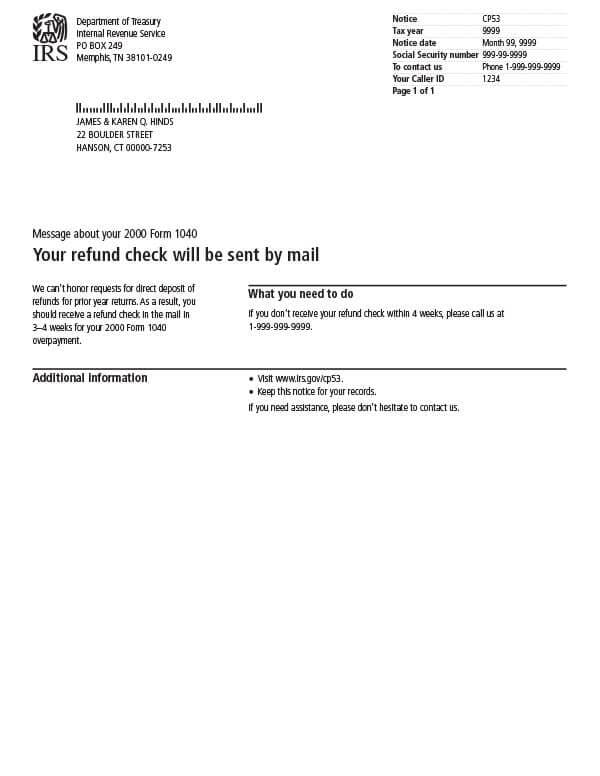
A sloppy refund notice can turn into hours of client hand-holding, and that is why the AICPA’s push for changes to CP53E matters to KPMG tax teams. The trade group has asked the IRS to improve the notice process after taxpayers and practitioners encountered confusing or erroneous notices, late guidance, and system issues that made refund timing harder to explain and harder to manage.
CP53E is the IRS notice tied to refund deposits when bank information is missing, invalid, or rejected, or when a return that originally showed a balance due is later corrected into a refund. Taxpayers generally have 30 days to respond, and if they do nothing, the IRS says it will send a paper check after six weeks. Beginning in 2026, taxpayers who receive CP53E can update bank information through their online account, but the IRS says the notice is issued only once, which means a second rejected direct deposit does not trigger another CP53E opportunity.

The scale of the rollout helps explain the concern inside tax departments. The IRS said only about 1% of taxpayers received CP53E notices in the 2026 filing season because their banking information was missing or invalid, but House Ways and Means Democrats said in March that the IRS had already sent 530,000 notices and planned another 300,000 that week. By March 24, those lawmakers said the IRS had sent 1.4 million notices. The AICPA’s June 9 letter to IRS chief of Taxpayer Services Ken Corbin followed that growth in volume and called for clearer guidance and system fixes.

For KPMG, the issue lands in day-to-day delivery, not just policy debate. Every defective notice creates a client-service event: staff have to triage the message, explain why a refund is delayed, check whether the taxpayer’s bank data is valid, and separate a government process problem from a real tax issue. That is time that does not go to controversy, planning, compliance, or other higher-value work.
The fraud risk has only made the workflow messier. The Taxpayer Advocate Service warned in May that scammers were exploiting CP53E confusion, and IRS guidance says taxpayers should never share banking information by email, text, or phone. The only safe update path is the IRS Online Account, even though some notices include a QR code. For firms like KPMG, cleaner IRS notice design would not just reduce confusion. It would cut avoidable rework and let teams spend less time untangling administrative noise and more time on substantive tax work.
This article was produced by Prism’s automated news system from verified source data, official records, and press releases, then run through automated quality and moderation checks before publishing. The system is built and supervised by the people who set the standards it runs under. Read our full AI policy.
Did this article answer your question?


.pdf%2F_jcr_content%2Frenditions%2Fcq5dam.thumbnail.319.319.png&w=1920&q=75)